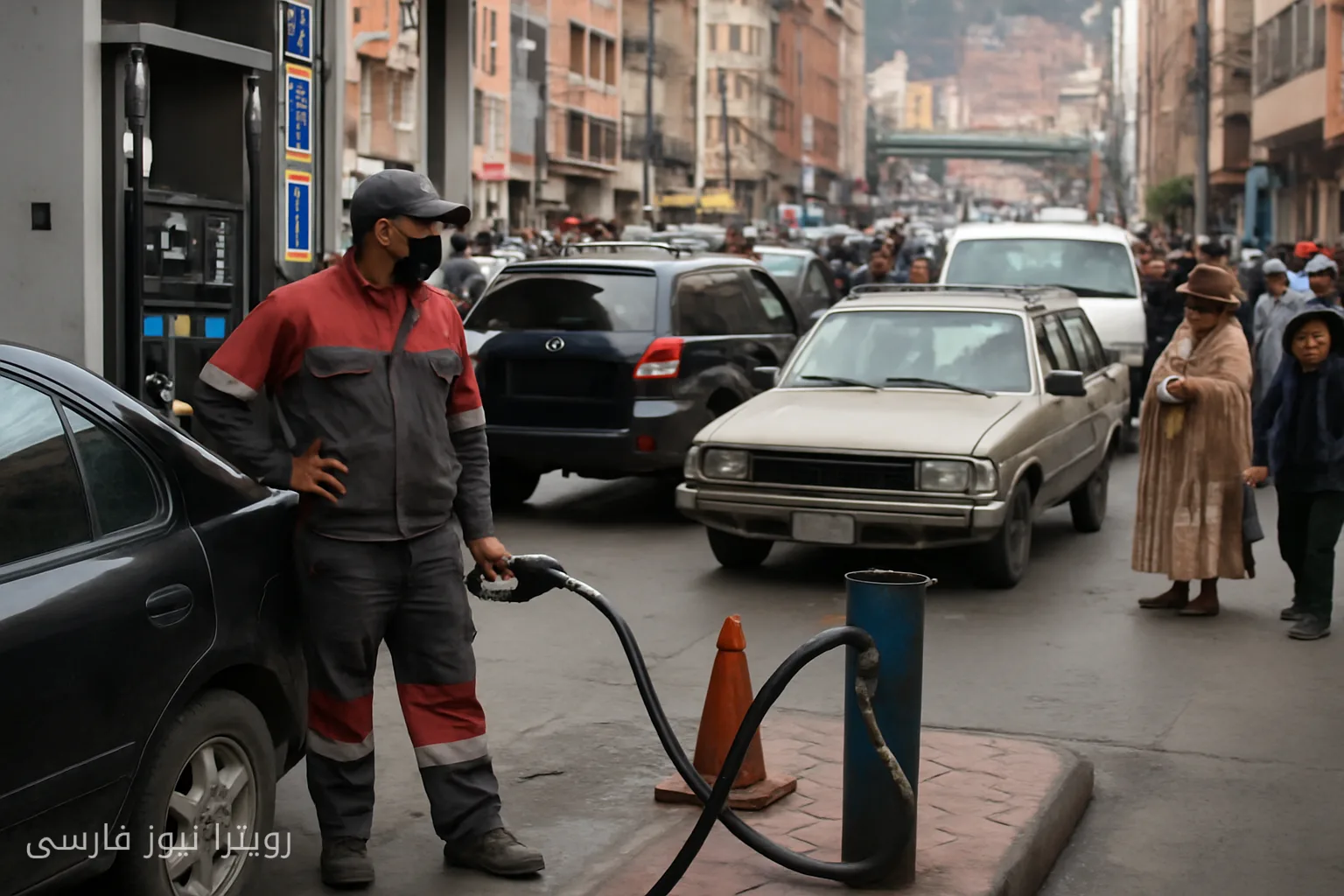
The Bolivian government has recently announced a controversial plan that could have wide-ranging effects on the daily lives of citizens in the country. This plan includes the elimination of fuel subsidies starting in January 2027. This decision is part of an agreement with the International Monetary Fund, and according to officials, its main goal is to reduce the budget deficit and strengthen the national economy.
Economic and Social Impacts
The removal of fuel subsidies in Bolivia, which is one of the resource-rich countries in Latin America, could lead to an increase in fuel prices and consequently higher living costs. This action is likely to be accompanied by social discontent, as many households depend on fuel subsidies. Economic analysts believe that this decision may lead to increased unrest in the country, especially as people face economic challenges.
Agreement with the International Monetary Fund
The Bolivian government's agreement with the International Monetary Fund is actually part of a broader program for economic reforms that also includes reducing government spending and increasing tax revenues. These measures come as Bolivia seeks to overcome past economic crises and achieve financial stability. The government hopes that by implementing these reforms, it will attract foreign investors and boost economic growth.
However, the timing of these changes and their social implications have raised questions in the minds of many people. Can the government prevent the consequences of public discontent? Will this decision ultimately lead to an improvement in Bolivia's economic situation?