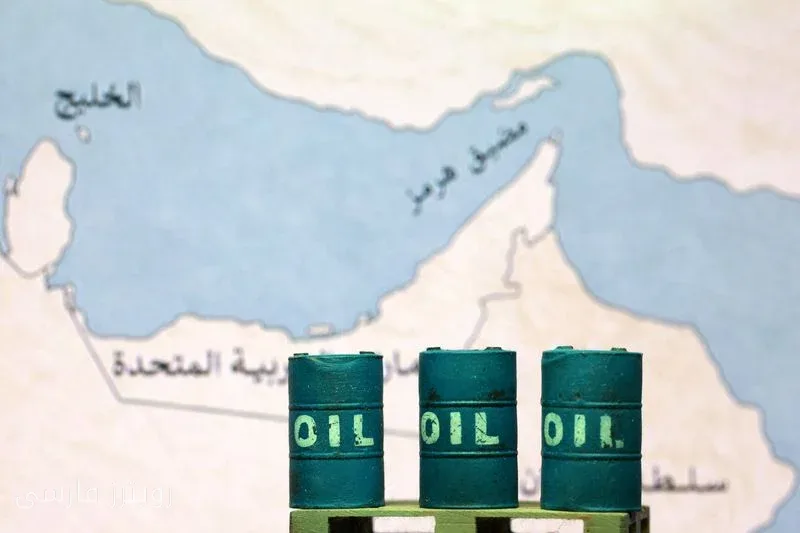
Following the escalation of tensions and conflicts in the Middle East, the price of Brent oil has reached over $۱۰۰ per barrel. This price increase not only reflects concerns about supply disruptions due to regional unrest but will also impact global markets.
Factors Influencing the Rise in Oil Prices
Analysts believe that the rise in oil prices is related to several factors. The first factor is military conflicts in key Middle Eastern countries that may lead to disruptions in oil exports. Additionally, the bankruptcy of some major oil producers and reduced production in countries like Libya and Venezuela have also contributed to this situation.
Moreover, global demand for oil is on the rise, and major industrial countries are still seeking to meet their energy needs. These factors combined have caused oil prices in global markets to reach unprecedented levels.
Economic and Political Consequences
This price increase could have serious consequences for oil-dependent economies as well as for countries that rely on oil imports. Western countries may face rising fuel and energy prices, which could negatively impact living costs, inflation, and ultimately economic growth.
As this situation continues, it is expected that governments will seek solutions to manage this crisis. At the same time, financial markets will also be affected, and investors will need to make decisions with greater caution.
Ultimately, analysts believe that the situation in the Middle East and its developments will directly impact the oil market and prices, and it remains to be seen whether prices will continue to rise.