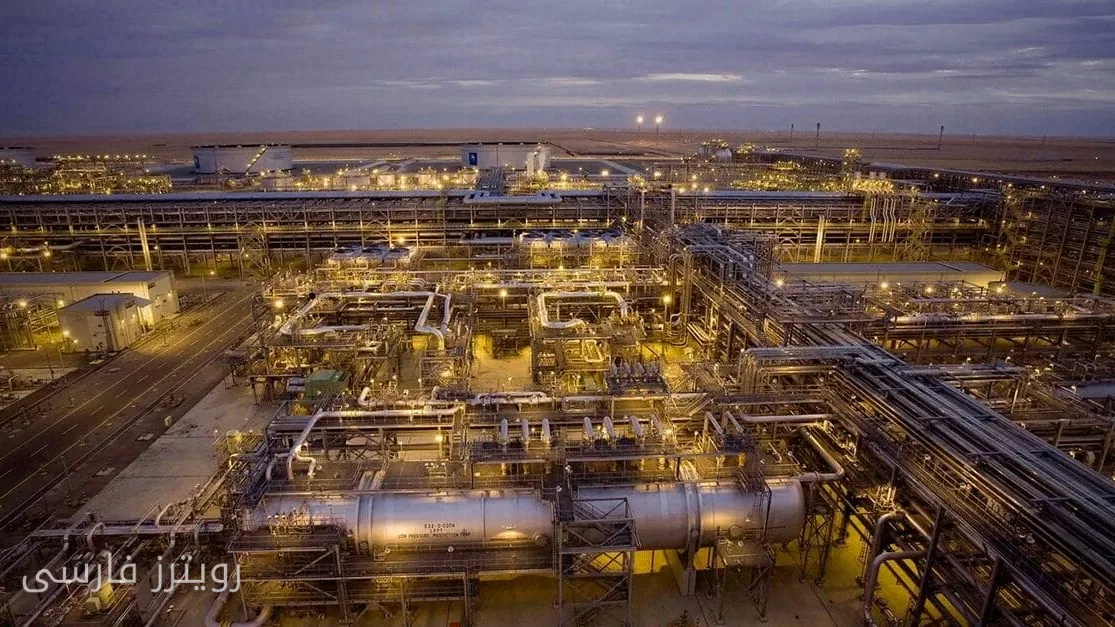
In the world of oil, competition has always existed, and now Iraq, as one of the new and old players in this field, is trying to find a place at the top of the oil producers' table in the Middle East. This country, with its vast oil reserves and efforts to improve its infrastructure, is seeking to increase production and reduce dependence on imports.
Challenges Facing Iraq
Despite its high oil potential, Iraq faces numerous challenges. Internal unrest, systemic corruption, and infrastructure problems have all negatively impacted the country's oil production process. While Saudi Arabia, as the world's oil giant, has managed to maintain its position with advanced technologies and efficient management, Iraq is still striving to achieve the necessary stability and cohesion.
Iraq is continuously increasing its capacities and seeking to attract foreign investments to develop its oil fields. While Saudi Arabia can easily control its production with modern technologies and strong economic strategies, Iraq is still in the early stages of this journey.
The Future of Oil in the Middle East
The future of oil in the Middle East is heavily dependent on political and economic developments. If Iraq can overcome its challenges and become a sustainable producer, it may improve its position in the global market. However, in the rapidly changing world of oil, any progress in this area requires time and sufficient resources.
Ultimately, the main question is whether Iraq can compete with Saudi Arabia and be recognized as the largest oil producer in the Middle East. This question will remain in the world of economics and politics in the Middle East, and the future will reveal whether this goal can become a reality or not.