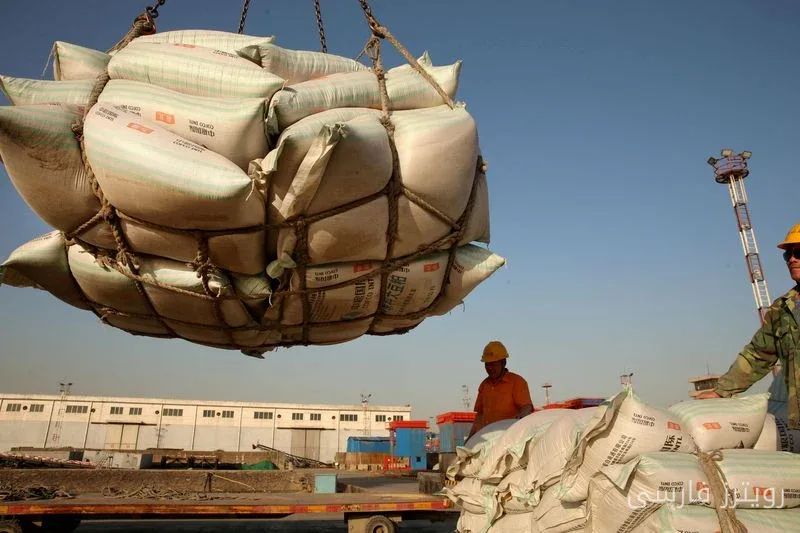
As Xi Jinping, the President of China, is set to travel to the United States soon, soybean factories in China are facing serious challenges. Rising costs and low profit margins have significantly impacted the soybean market in the country.
Rising Costs and Pressure on Producers
Soybean factories in China are particularly affected by rising raw material prices, transportation costs, and supply chain issues. These factors have led many producers to operate with lower profit margins, and some are even nearing losses. This situation could not only affect the domestic soybean market's prosperity but also impact China-U.S. trade relations.
In recent years, China has become one of the largest importers of soybeans in the world, and any disruption in this market could have serious consequences for the country's food security. As Xi Jinping's visit to the U.S. approaches, many questions arise about the future of trade relations between the two countries.
Impact on China-U.S. Relations
China and the United States have been interacting in soybean trade for years, and this relationship is influenced by political and economic tensions. While the Chinese President's visit to the U.S. could be an opportunity to strengthen ties, the existing challenges in the soybean industry could hinder the establishment of positive agreements. This crisis could have a major impact on trade negotiations, especially at a time when both countries are seeking solutions to reduce tensions.
It seems that soybean factories in China need to find new strategies to manage costs and increase productivity to navigate this crisis. Otherwise, their situation could escalate into a larger crisis in China's agricultural industry and have serious implications for trade relations between the two countries.