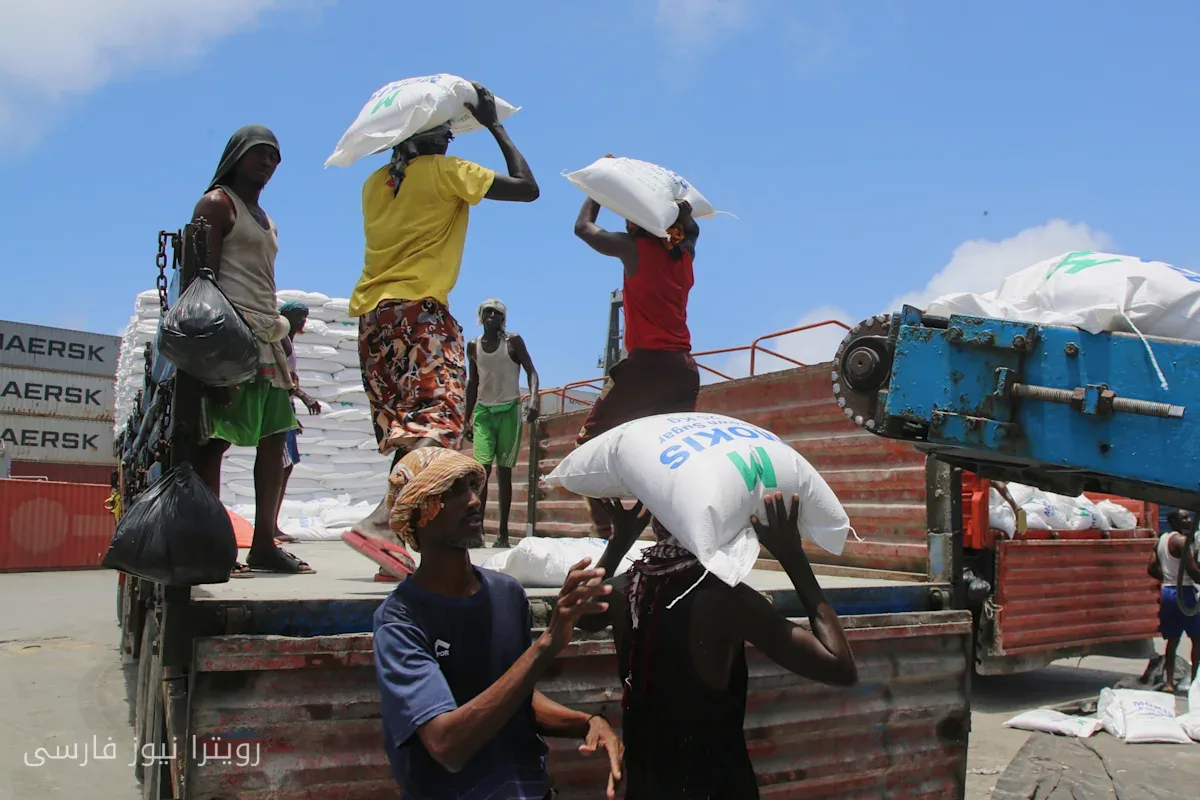
In the chaotic world of trade, unexpected disruptions can easily upset economic equations. In this context, Somalis are now forced to reconsider their trade routes due to Houthi activities in strategic maritime areas. The Houthis, active in Yemen, threaten commercial vessels and create insecurity in coastal waters, harming the trade situation in this region.
Economic and Trade Consequences
Houthi disruptions not only affect ships and commercial cargoes but can also lead to economic exploitation. Many Somali traders and economic actors are watching these developments with concern, as changes in trade routes can increase costs and significantly prolong delivery times for goods.
In this situation, Somali traders are exploring new routes for transporting their goods. These changes may signify a lack of trust in traditional routes and the establishment of new trade relationships with other countries and companies. At the same time, this situation may also provide opportunities for neighboring countries and other traders.
Challenges Ahead
However, Somalis face numerous challenges. Establishing the necessary infrastructure for new routes and ensuring security along these routes are key issues that need to be addressed. Additionally, the political and economic situation in the region can also impact the course of these changes.
These developments illustrate how an armed group can affect global trade and how countries must adapt to new conditions. Ultimately, the situation of Somalia and the Houthis may offer many lessons for other countries and traders around the world.