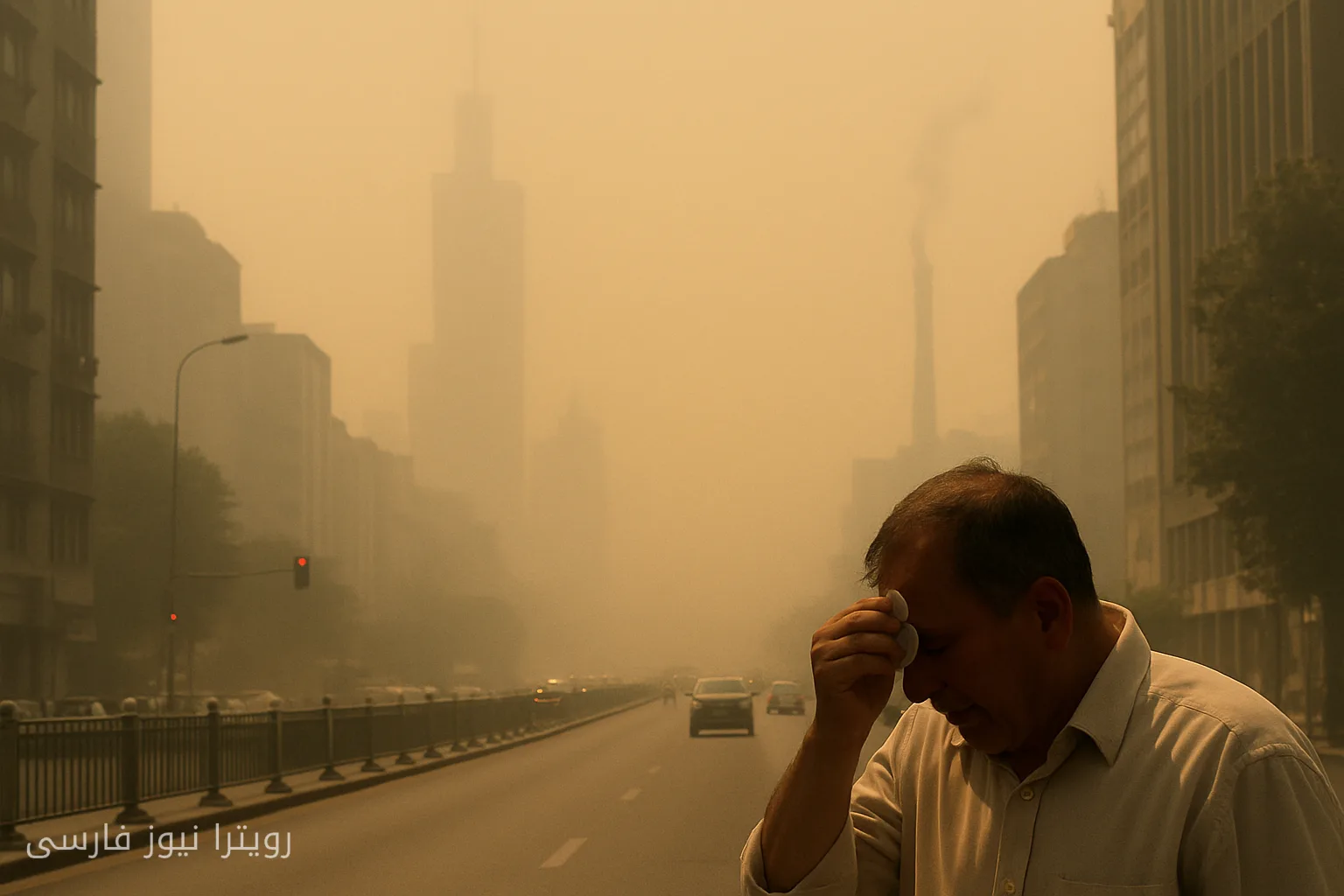
In recent years, with increasing attention to climate change and the global warming crisis, cleaning the air has emerged as an important priority. But does this action actually contribute to strengthening global warming? An online controversy regarding this summer's unprecedented heat raises the question of whether air purification has negative consequences.
Unintended Consequences
Recent research suggests that cleaning polluted air may indirectly lead to rising global temperatures. While reducing pollution can improve public health, it may also increase the absorption of sunlight by the Earth, resulting in further warming. This paradox has created a new challenge in the field of climate science.
These changes in weather patterns and extreme heat not only affect people's daily lives but can also exacerbate social and economic crises. Analysts believe that this issue highlights the need for a more comprehensive approach to environmental policies and climate change.
Looking to the Future
In light of these new challenges, researchers and policymakers need to carefully examine how they can harness the benefits of air purification without exacerbating the global warming crisis. This process requires international cooperation and a multilateral approach to achieve environmental goals while preventing unintended consequences.
It is important to note that air purification and pollution control should be considered a primary goal in global policies, but it must be done with an awareness of its consequences and the use of innovative technologies. In this journey, everyone must proceed with caution and full awareness of the challenges and opportunities ahead.