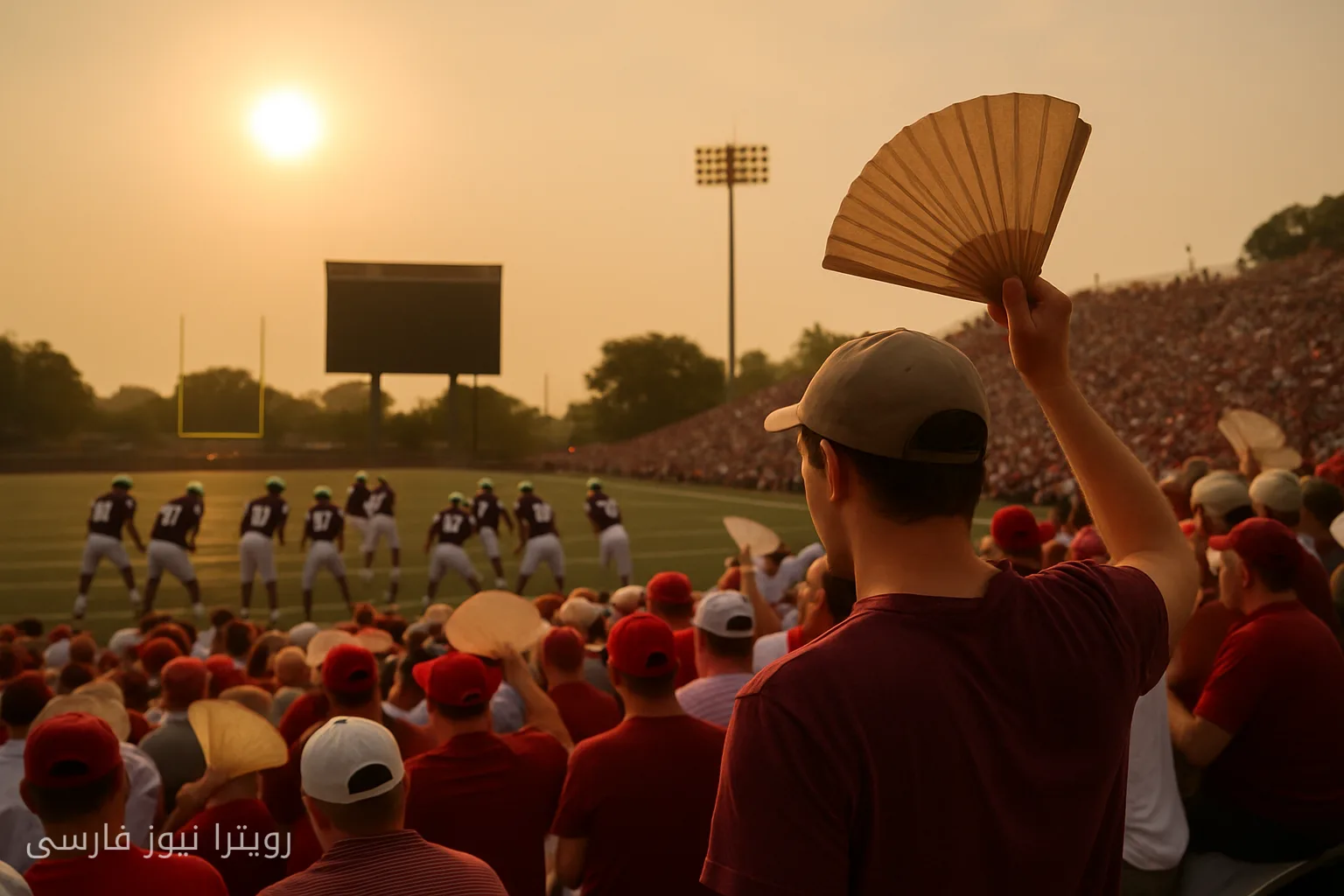
With the start of the college football season and rising temperatures in early September, Texas Longhorn fans sought shade in the stadium concourse. This situation has not only affected the fan experience but has also sparked more serious discussions about game scheduling during climate change.
The Impact of Heat on Spectator Experience
Extreme heat in the early days of the football season has raised serious questions about the safety and comfort of spectators. Should game times be changed to respond to the new climatic conditions? Many fans and experts believe that the current scheduling is unsustainable and needs to be seriously reconsidered.
These changes not only affect spectators but will also impact players and their performance. Increased temperatures can lead to quicker fatigue for players and a higher risk of injury. In this context, the issue of changing game times has become one of the hot topics in sports discussions.
The Necessity of Changes in Scheduling
Sports teams and university officials need to pay attention to the fact that with ongoing climate changes, there may be a need for fundamental changes in game scheduling. Could these changes benefit both spectators and players?
Some experts suggest that games should be moved to cooler times of the day, such as morning or evening. This action could not only enhance the spectator experience but also contribute to the health of the players. Given the weather forecasts, these changes seem inevitable.
Moreover, climate change is not limited to college football and can impact all sports. This issue requires serious attention from sports officials and decision-makers to ensure that sports remain not only a form of entertainment but also a healthy and safe activity for everyone.