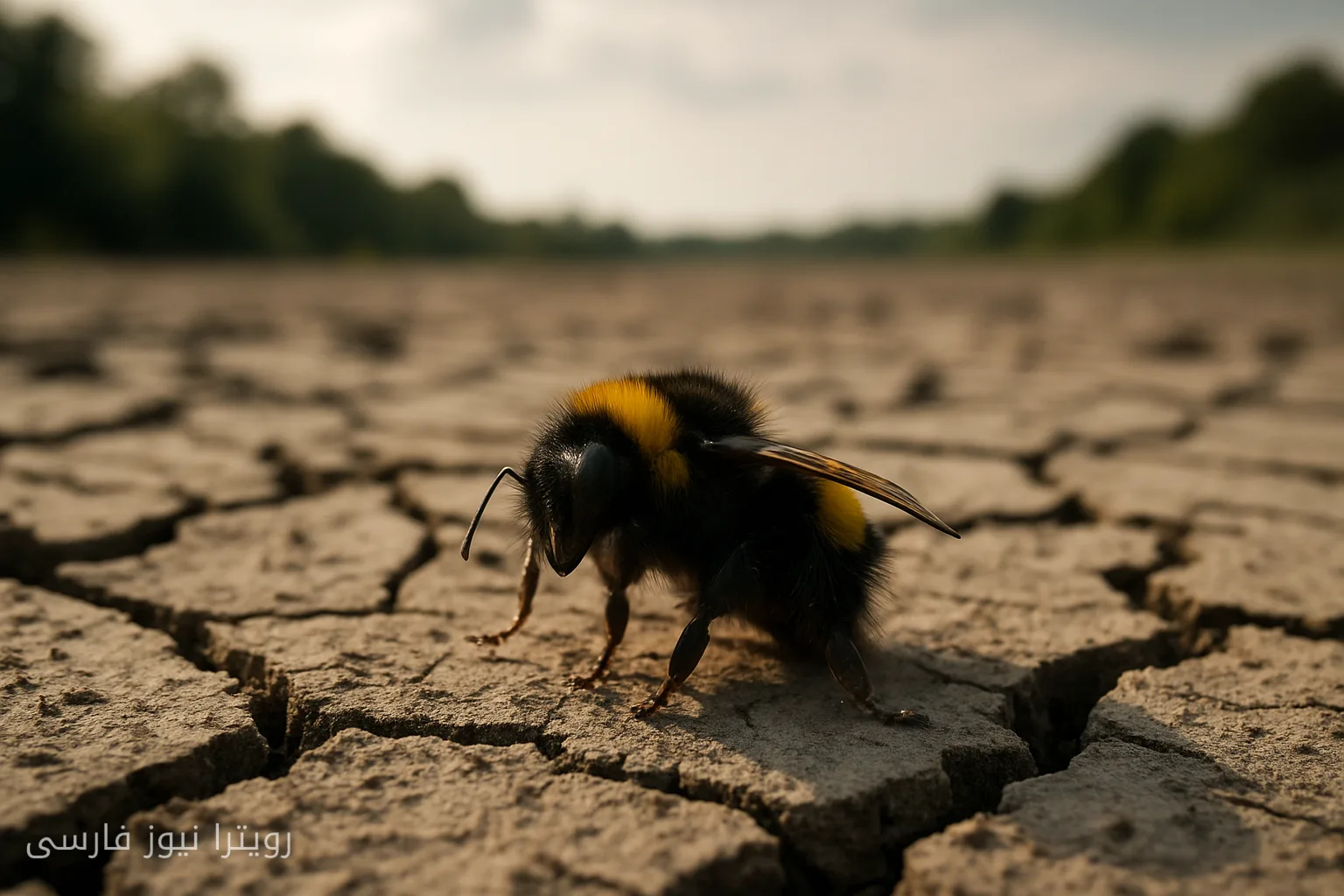
Climate change has increasingly affected the habitats of Bombus bees in Europe since the 1980s, raising the risk of extinction for these beneficial creatures. Bombus bees, as vital pollinators, play an important role in maintaining ecosystems and food production. However, climate changes, especially rising temperatures and altered precipitation patterns, pose a serious threat to these species.
Threatening Factors
Several factors are contributing to the decline of Bombus bee populations. On one hand, the destruction of natural habitats due to industrial agriculture and construction has severely limited the space these bees need to live. On the other hand, the use of chemical pesticides and herbicides in farms has jeopardized the health of Bombus bees, putting them at risk of mortality.
Climate change also significantly affects the behavior and life cycle of Bombus bees. For example, rising temperatures can alter the timing of plant flowering, making it difficult for bees to access their food sources in a timely manner. Additionally, changes in precipitation patterns can lead to reduced plant diversity and consequently decrease the food resources available for bees.
Global Consequences
Since Bombus bees are one of the main pollinators in European agricultural ecosystems, their extinction could have serious consequences for food production. Currently, many farmers rely on Bombus bees to effectively pollinate their crops. A decline in these bee populations could lead to reduced crop yields and increased prices.
Many researchers believe that if this trend continues, we may witness a decrease in food diversity and an increase in food crises in the near future. This issue will affect not only farmers but the entire society, as food prices will rise rapidly and access to food resources will become difficult for many individuals.
Possible Solutions
To address this crisis, immediate and effective actions must be taken. One proposed solution is to reduce the use of chemical pesticides and promote sustainable agriculture. Additionally, protecting the natural habitats of Bombus bees and creating suitable green spaces for their living can help restore the populations of these species.
Moreover, increasing public awareness about the importance of Bombus bees and their role in the ecosystem can encourage more individuals to support these creatures. Supporting research and conservation projects that study and protect Bombus bees is essential.