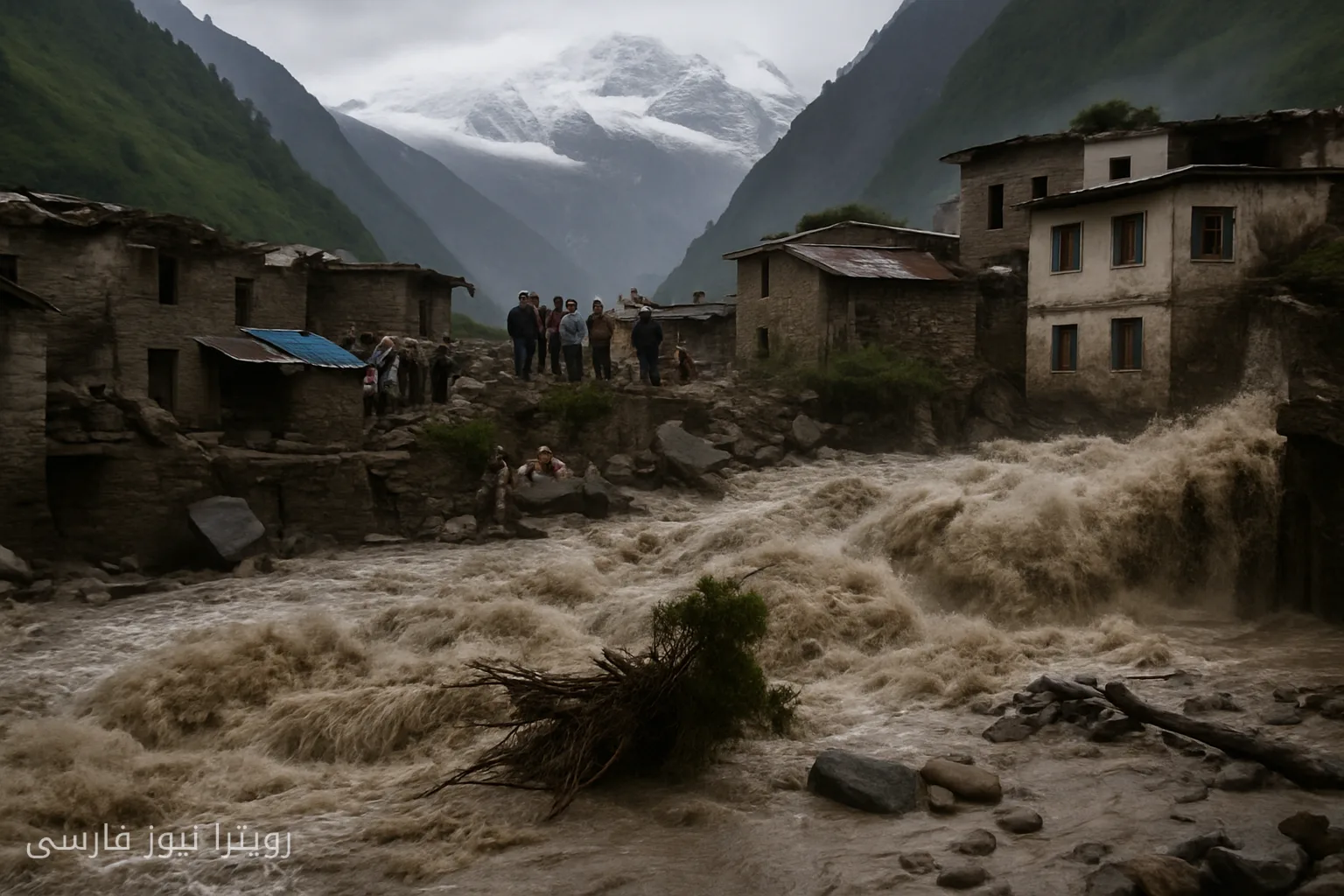
Climate change, recognized as one of the greatest challenges facing humanity in the 21st century, has now manifested in the heart of the Himalayas. The glaciers and frozen lands in this region are rapidly melting, a result of rising global temperatures and climate change. Recently, the occurrence of devastating floods in Nepal has highlighted the serious consequences of these changes, which could affect the lives of thousands.
Landslides and Their Consequences
In the past week, the region of Nepal has faced significant landslides that have led to the destruction of infrastructure and loss of life and property. Although scientists are still investigating the precise causes of these landslides, evidence suggests that climate change and the melting of natural glaciers play a significant role in this disaster. The melting of ice not only leads to rising sea levels but also creates instability in the surrounding lands.
A Troubling Future
As the trend of climate change continues, the number and intensity of natural disasters in mountainous areas like Nepal are expected to increase. This issue poses a threat not only to local people but could also have global repercussions. The dangers posed by floods and landslides can seriously harm the economy, health, and environment, highlighting the urgent need for decisive action from governments and international organizations.
Given this situation, it is essential for local and global communities to collaborate in addressing these challenges and seek sustainable solutions to mitigate the impacts of climate change. While some of these disasters may be unavoidable, appropriate planning and investment in resilient infrastructure can help reduce damages to some extent.