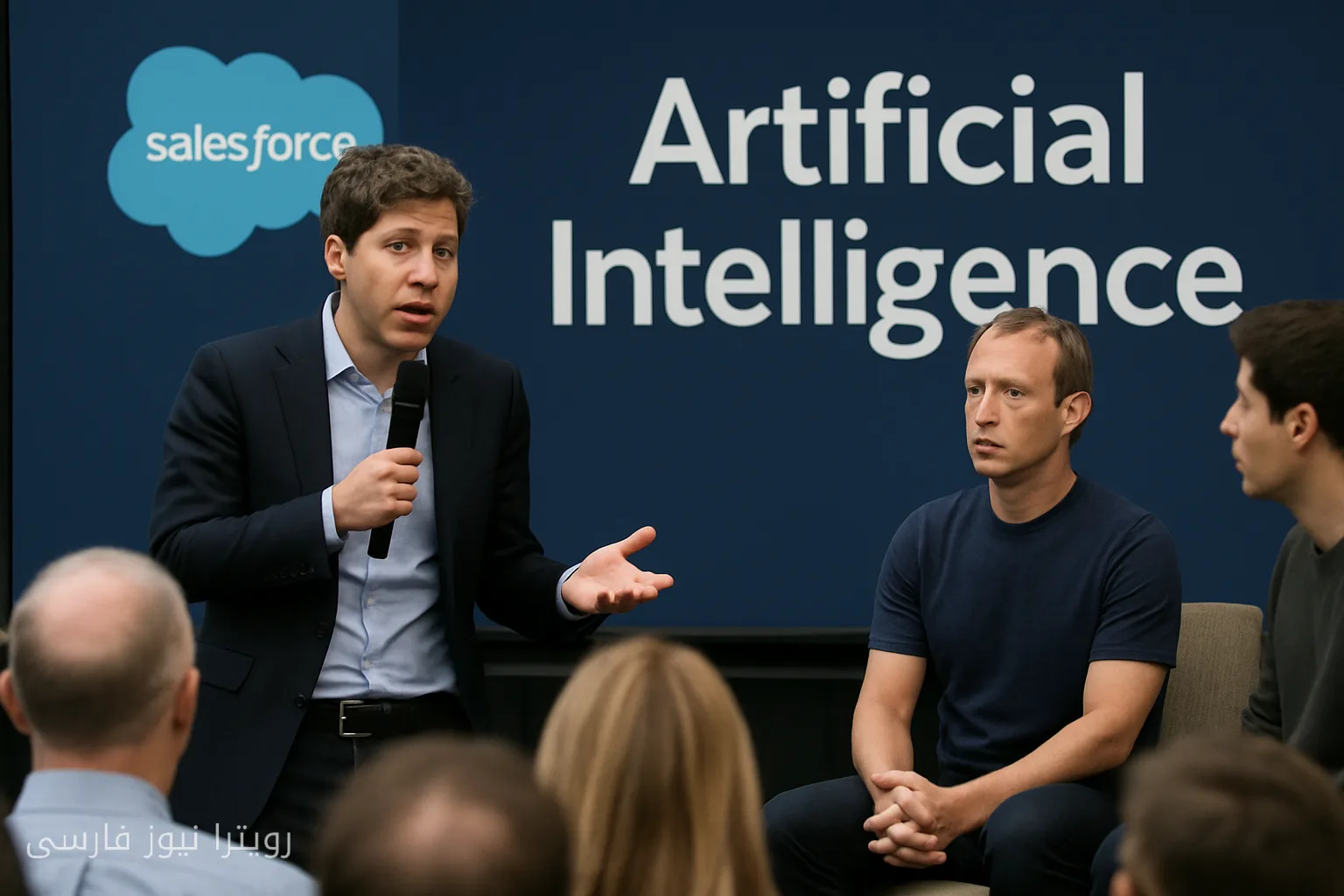
The recent Salesforce product conference has turned into a new battleground for discussions surrounding artificial intelligence. This event gained particular attention with the participation of prominent figures such as Sam Altman, David Amodei, Jeffrey Huang, and Mark Zuckerberg. During this conference, these individuals examined the impacts and consequences of artificial intelligence technology and the necessity of controlling and monitoring its development.
Positions of Key Figures
Sam Altman, CEO of OpenAI, emphasized the need for oversight in the development of artificial intelligence at this conference, stating: "We must look at advancements in artificial intelligence with more caution and care, as this technology can have profound effects on the future of humanity." He added that without a legal and regulatory framework, serious risks await us.
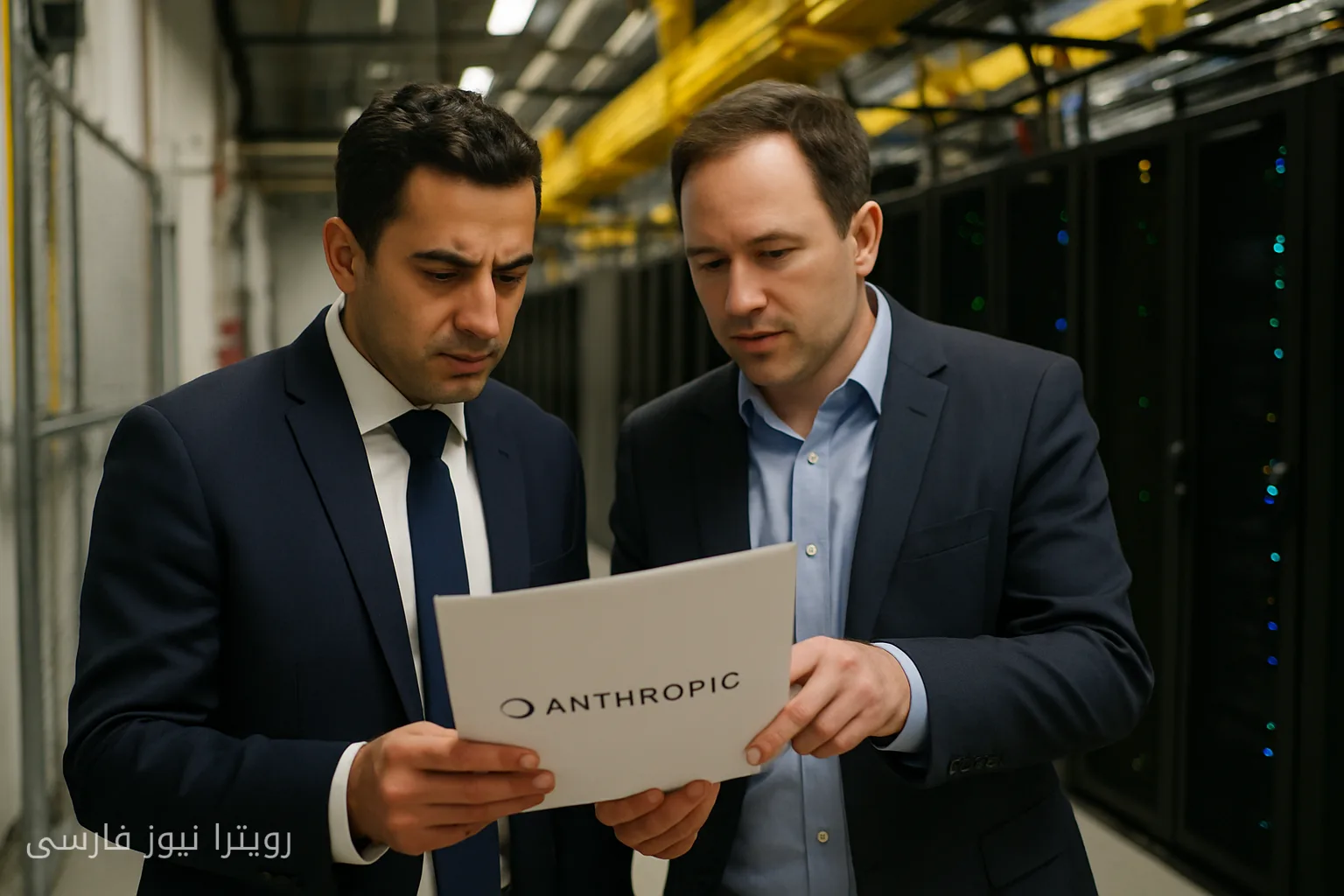
Meanwhile, David Amodei, one of the founders of Anthropic, expressed a similar view and stressed the necessity of creating new laws to regulate the use of artificial intelligence. He said: "If we do not properly address the risks and challenges of this technology, we may face dire consequences in the future."
Responses from Mark Zuckerberg and Jeffrey Huang
Mark Zuckerberg, CEO of Meta, in response to these concerns, emphasized that artificial intelligence technology can help improve the quality of human life, but it must be used correctly and responsibly. He stated: "We must harness the potentials of this technology while avoiding its dangers. This is a significant challenge for the industry, and we need to find a solution that respects both technological development and societal safety."
Jeffrey Huang, a researcher and founder of the Artificial Intelligence Technologies Center at the University of California, also stressed the need to consider ethics in the development of artificial intelligence, stating: "The development of this technology must be conducted with ethics and social responsibility in mind to prevent potential risks."
Overall, this conference reflects the growing concerns among technology leaders and academics about the future of artificial intelligence and the need for appropriate controls. These discussions could have profound impacts on how new technologies are developed and utilized.