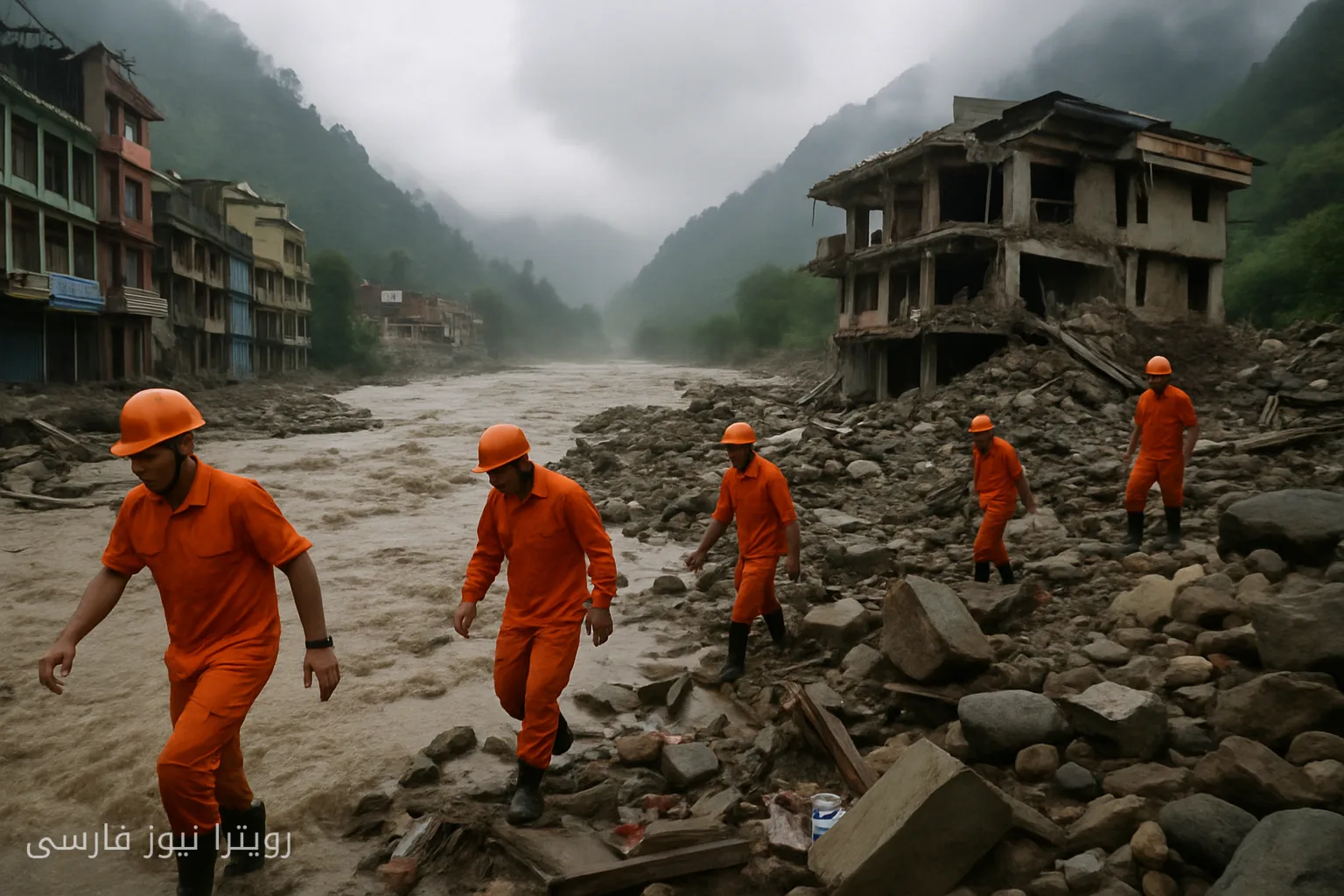
At the end of August, Nepal faced a major natural disaster. Deadly floods and glacial melts rapidly swept through the valleys of this country, claiming the lives of over 1300 people. This event not only took human lives but also caused irreparable financial and infrastructural damage.
Why Nepal?
Nepal, as a mountainous country with natural glaciers, is severely affected by climate change. This summer, the heat and high temperatures created conditions for such a disaster to occur. The country is facing not only devastating floods but also serious challenges such as rising temperatures and drought.
Climate change is clearly visible in Nepal. In recent years, the number of natural disasters has increased, and this is a concerning trend. Experts believe that this situation has arisen due to insufficient attention to environmental issues and ignoring scientific warnings about the consequences of climate change.
Human and Social Consequences
The recent disaster in Nepal not only took the lives of thousands but also separated families and confronted the community with social and economic crises. Many individuals who have lost their homes are now at greater risk. This disaster has raised serious concerns about the future of Nepal and its ability to cope with similar crises in the future.
In conclusion, Nepal must seriously address climate change issues and take immediate and effective actions to reduce its vulnerability to natural disasters. The country needs global attention and support that can help it in protecting human lives and the environment.