On August 26, Nepal and China experienced a devastating natural disaster following landslides and glacial melt. This incident caused a massive flood in several Himalayan rivers, resulting in significant human and financial losses. Given the weather conditions and climate changes, these floods have been recognized not only as a natural disaster but also as a serious warning regarding the environmental status and climate changes in the region.
Consequences of Climate Change in the Himalayas
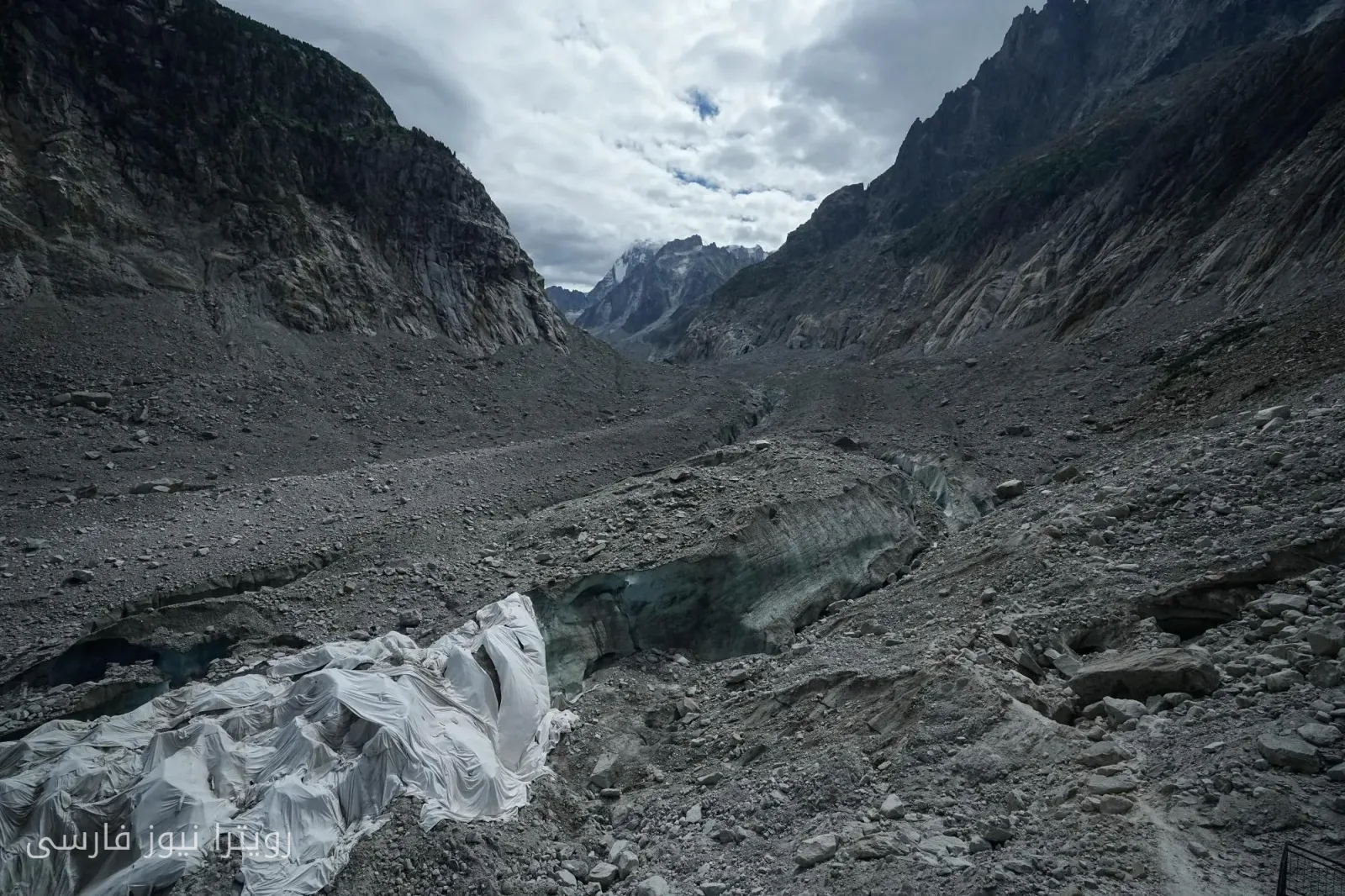
Evidence shows that atmospheric instability and the melting of glaciers in the Himalayas are significantly increasing. This region, known as the "Third Pole of the World," is currently facing serious threats including sudden floods and severe soil erosion. Estimates indicate that climate change has not only affected the lives of local people but has also had devastating impacts on the ecosystems and biodiversity of the area.
Consequences and Solutions
In addition to human and financial losses, these floods can lead to forced migrations and increased poverty in the affected areas. Experts believe that comprehensive planning and effective policies for water resource management and environmental protection are needed to address this crisis. Furthermore, special attention should be given to strengthening infrastructure and educating local communities about natural disaster risks.
Ultimately, this disaster in Nepal and China is not just a wake-up call for these countries but serves as a global warning regarding the impacts of climate change and the urgent need for action to protect the environment. Global communities must pay attention to this issue and take action to prevent such incidents in the future.