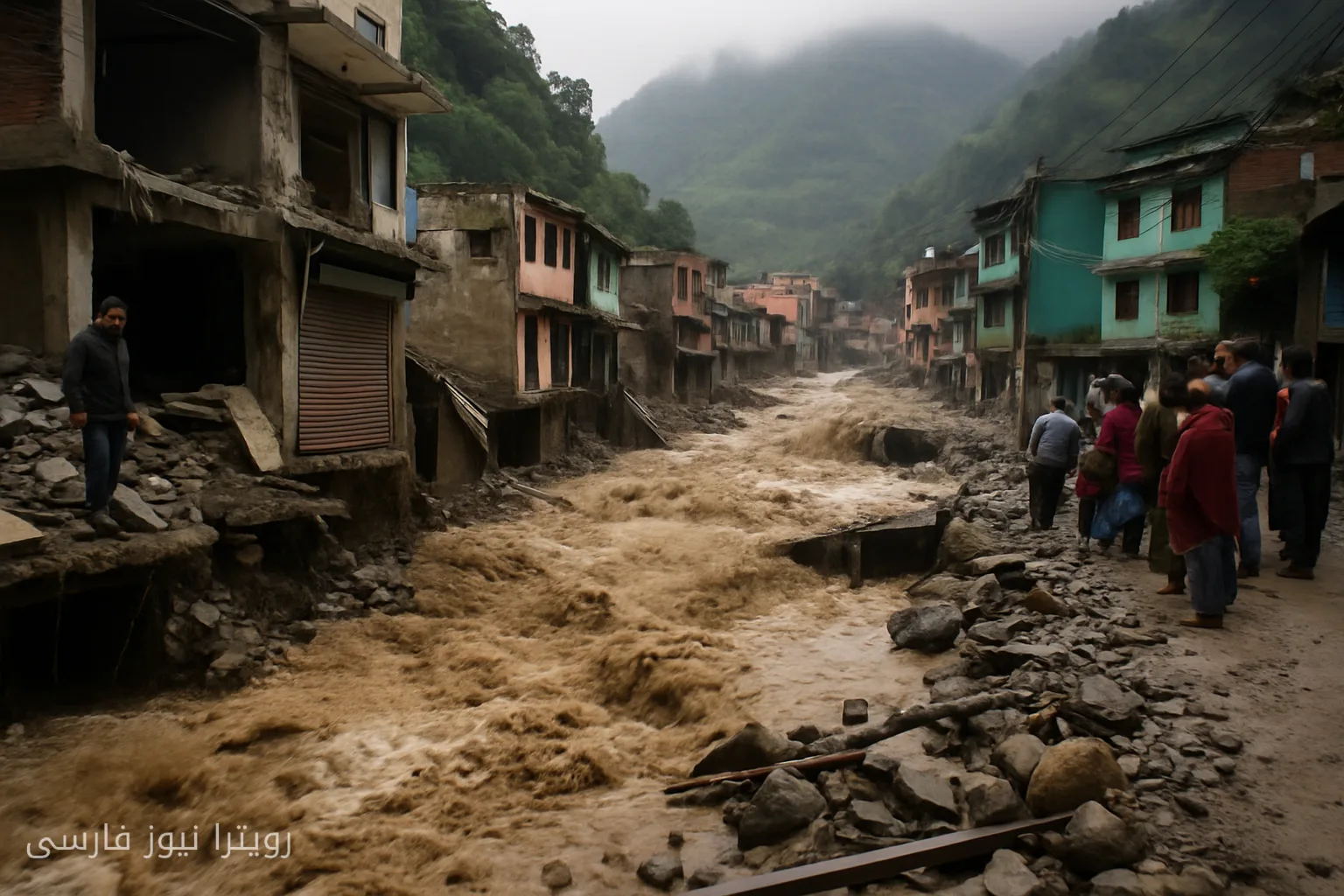
A few days ago, Nepal witnessed devastating floods that sounded the alarm for the country and the Himalayan region once again. These events are recognized as the latest case in a series of natural disasters that have affected this area in recent years. With the warming of the Earth's climate, the Himalayas, as one of the most sensitive points on the planet, are increasingly at risk.
Climate Change and the Increase in Natural Disasters
Climate change has clearly affected weather patterns in the Himalayas, leading to rising temperatures and changes in precipitation. These changes result in the melting of glaciers and the flow of excess water into the valleys, ultimately leading to dangerous floods. Since 2010, Nepal has faced the most catastrophic floods and landslides that have impacted the lives of thousands and devastated infrastructure.
The bitter and painful experiences from these events have not only created human and social problems but have also had significant economic repercussions for Nepal. As a developing country, Nepal is heavily dependent on the agricultural and tourism sectors, and any damage to these sectors can have dire consequences.
The Urgency of Immediate Action
Experts believe that to tackle these challenges, Nepal needs careful planning and the implementation of effective measures in crisis management and adaptation to climate change. These measures should include improving infrastructure, raising public awareness, and strengthening warning systems so that people can be informed before disasters occur and take necessary actions.
Ultimately, climate change is not only a global challenge but a tangible reality for mountainous countries like Nepal. Although these events may seem distant, the reality is that global warming is rapidly approaching our doorsteps, and we must be prepared to confront it.