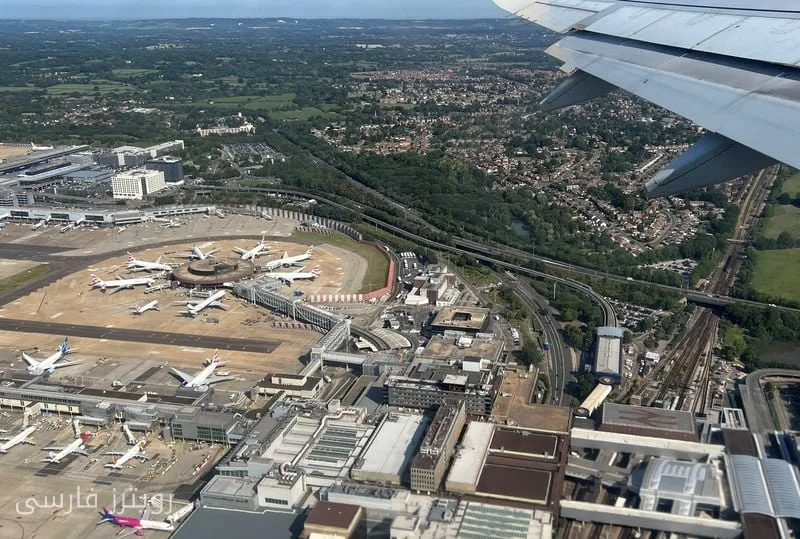
On a challenging day for the British aviation industry, a widespread disruption in the air traffic control system has led to the suspension of flights at several major airports in the country. This situation has left thousands of passengers waiting for flights in a frustrating predicament and has raised many questions about the safety and efficiency of existing systems.
Consequences of the Air Traffic Control Crisis
This disruption, caused by technical issues in the control systems, has resulted in numerous flights at Heathrow, Gatwick, and Manchester airports being delayed or even canceled. Passengers at these airports faced long queues and confusion, with some having to spend the night at the airport. This crisis has occurred at a time when air travel has increased during the holiday season, and more people are expected to travel.
Many airlines have issued statements in response to this disruption, announcing that they are working to restore normalcy. However, this crisis has not only affected passengers but could also have significant economic repercussions for the aviation and tourism industry in Britain.
Safety Concerns and the Future
The recent experience has raised serious questions about the safety and reliability of Britain's air traffic control systems. Some experts believe that such disruptions may indicate a need for updating and improving existing infrastructure. Additionally, there has been criticism directed at the relevant authorities regarding why adequate preventive measures were not taken against such crises.
In light of this situation, it is expected that British aviation officials will soon provide a detailed report on the matter and take necessary actions to prevent the recurrence of such incidents in the future. Meanwhile, passengers continue to await good news so they can resume their travels.