How can the history of theatre be brought to life? One way is to create lists accompanied by quirky articles. Dominic Dramgoole expands this possibility in an engaging and personal way in his new book, "Time Frames," offering readers a passionate, informative, and thought-provoking work. It seems unfair that a director can outpace many critics.
A History of Proscenium Theatre
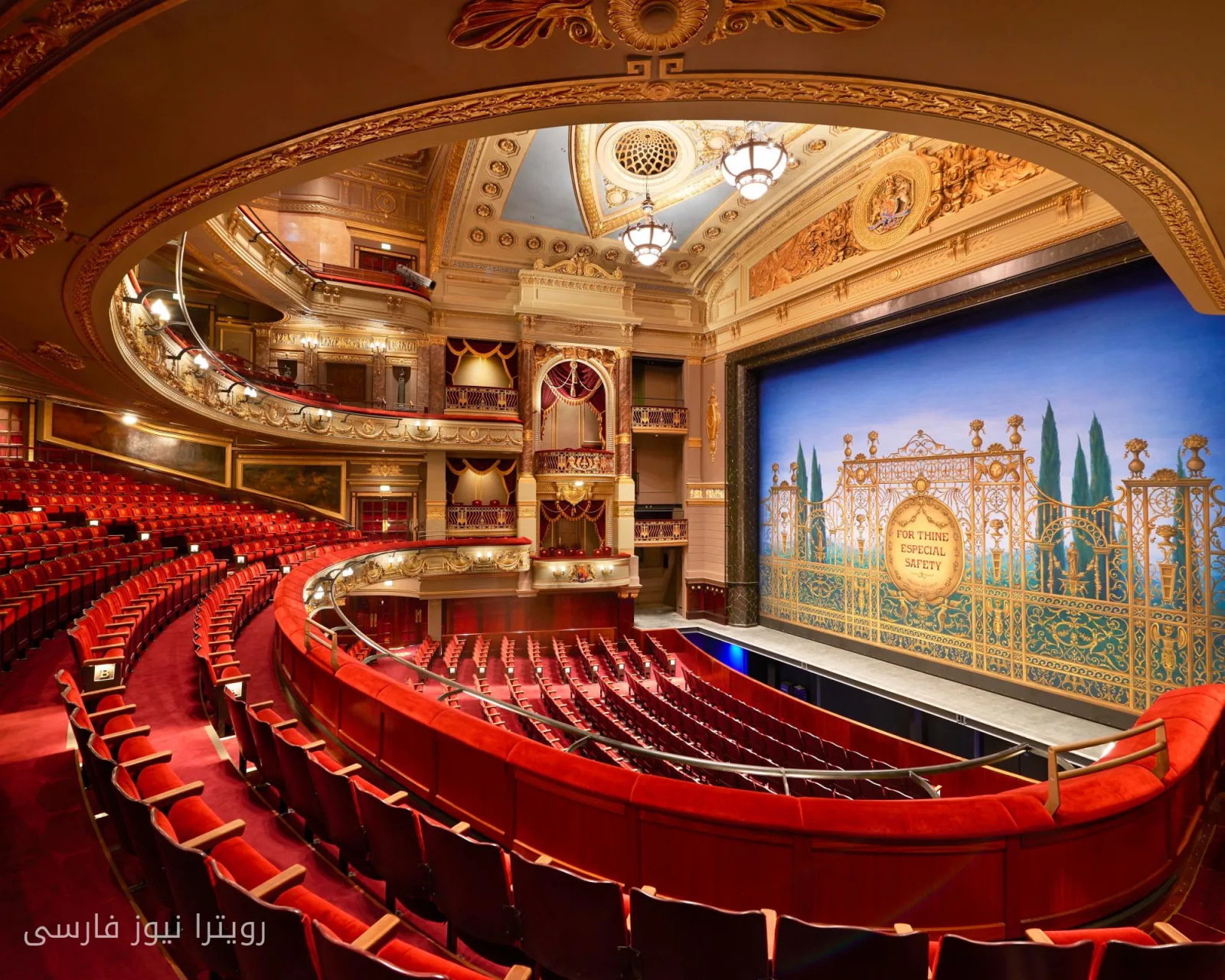
Dramgoole's book starts with a strong framework. This work examines the years 1865 to 1965, when proscenium theatre dominated the stage and reviews over 70 playwrights. Today, we enjoy the infinite possibilities of theatre with open stages, prologues, traverse, and circular formats, but Dramgoole refers to a time when performances were largely confined behind a proscenium arch.
He describes this form as a "restrictive liberator," like a 14-line sonnet or a 12-bar blues. This description paints an interesting perspective on the apparent limitations of this form and the hidden freedoms within it. The history of proscenium theatre is a history of experiments and innovations that have occurred from Chekhov to Brecht and beyond.
Challenging Questions
In this book, Dramgoole not only addresses the history of theatre but also raises challenging questions that may lead to deeper contemplation about the art of theatre. Is the proscenium truly restrictive, or is it merely an illusion? And can theatre transcend these limitations?
The book "Time Frames" with its unique writing style and deep analysis is an opportunity to re-examine theatre and its role in the history of culture.