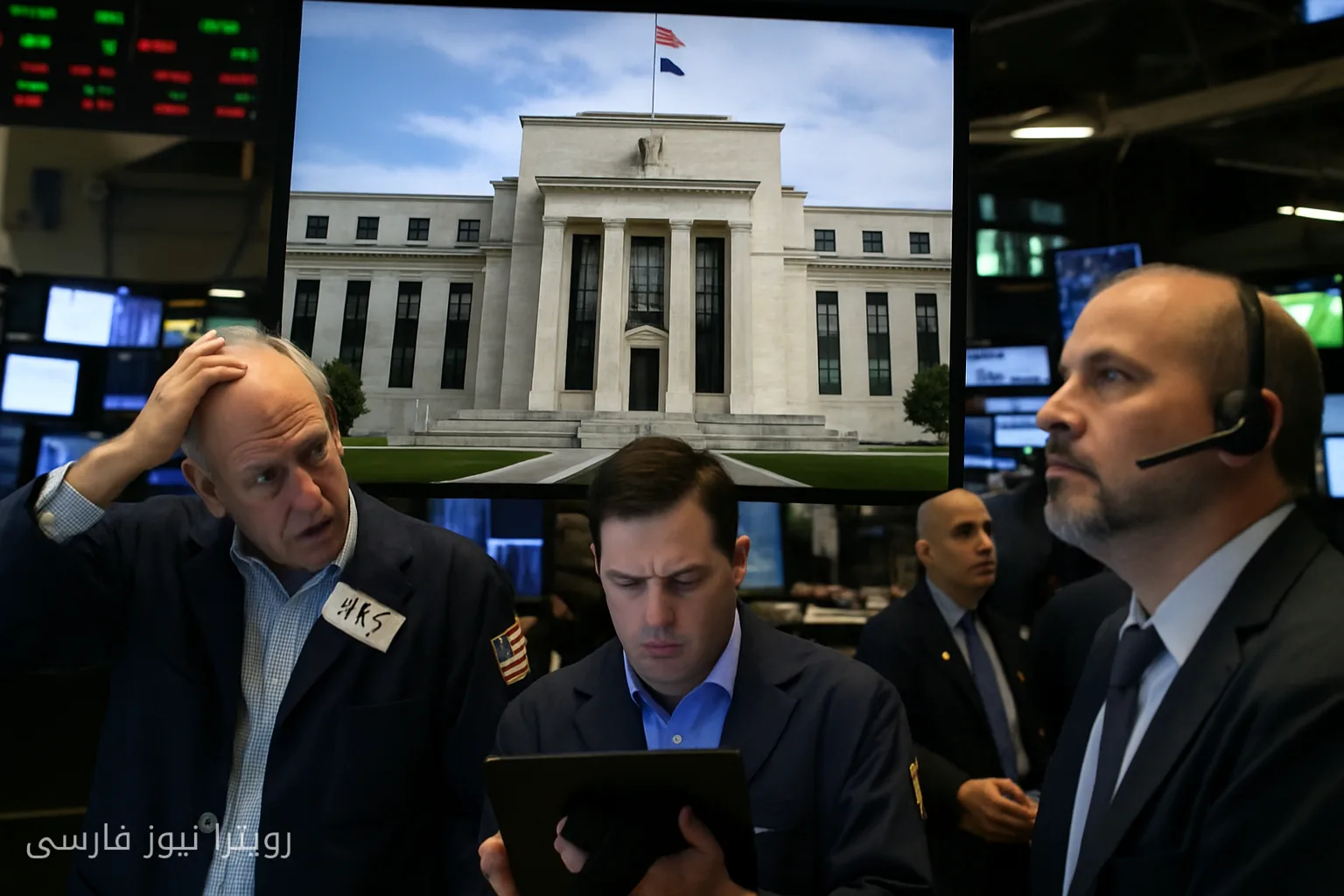
The Federal Reserve of the United States decided to raise interest rates by 0.25% in its recent meeting. This decision, made to control inflation and maintain economic stability, has led to various reactions in financial markets.
Details of the Interest Rate Increase
With the interest rate raised to 5.5 to 5.75 percent, the Federal Reserve aims to reduce inflationary pressures that have surged in recent months. This increase in interest rates could lead to lower borrowing costs for consumers and businesses, but it may also have negative impacts on economic growth.
Market Reactions
Following the announcement of this decision, the stock market experienced volatility. Some investors are seeking new opportunities in the higher interest rate environment, while others are concerned about the negative impacts on corporate profitability. The bond market has also been affected, with yields on Treasury bonds rising.
Analysts believe that the increase in interest rates could lead to a decrease in demand for housing and durable goods, as borrowing costs for buyers rise. This issue could lead to a decrease in prices in the housing market, which in turn will impact the overall economy.
Opportunities and Challenges
In the new environment, some investors are looking for new opportunities in financial markets. The increase in interest rates could benefit fixed-income investments, as higher interest rates may lead to greater returns in this sector. However, there are also risks. The main challenge is whether this interest rate increase will be sufficient to offset the negative impacts on economic growth.
Meanwhile, analysts emphasize the importance of monitoring economic developments and policymakers' decisions. While the interest rate hike may help control inflation, economic trends must be closely watched to ensure that this decision leads to improved economic conditions.