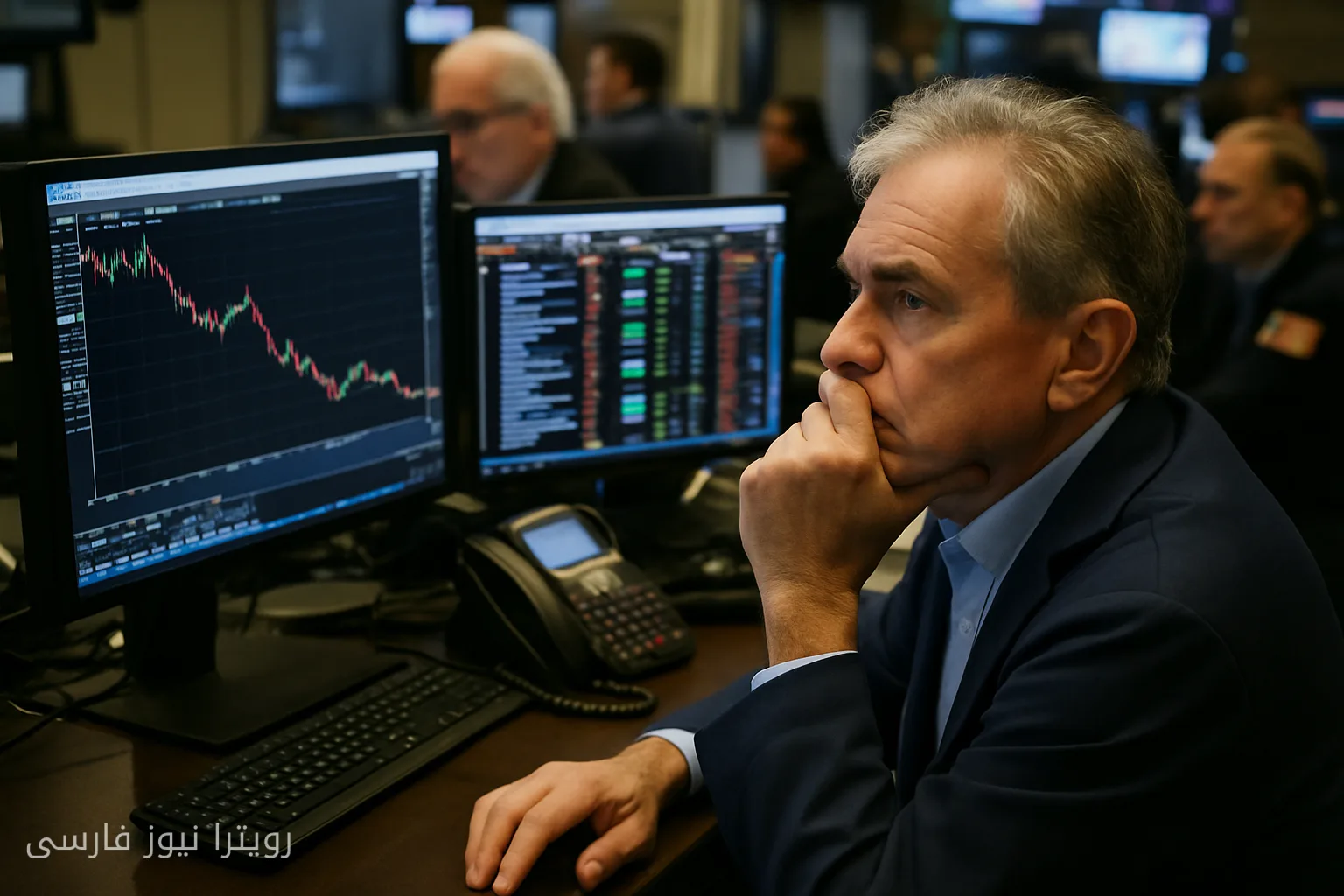
The United States Federal Reserve is facing a major challenge: has the two-decade period of low interest rates come to an end? This question arises as bond yields have reached their highest levels in recent years and financial markets have been significantly affected.
Increase in Bond Yields
The yield on U.S. government bonds has significantly increased in recent months. This increase may be due to temporary market changes or long-term economic impacts. Some analysts believe that this rise indicates a change in economic conditions that could affect the Federal Reserve's decisions.
Possible Implications for Markets
If interest rates rise significantly, this could have widespread implications for financial and economic markets. An increase in interest rates may lead to a decrease in demand for loans and consequently slow economic growth. Additionally, investors may shift towards safer assets, which could lead to greater volatility in the stock market.
Moreover, rising borrowing costs could negatively impact businesses and households. In this situation, the Federal Reserve must act cautiously and closely monitor economic signals to make decisions that align with the economic situation.
Challenges in Federal Reserve Decision-Making
The Federal Reserve faces conflicting pressures. On one hand, raising interest rates could help control inflation, while on the other hand, it may negatively impact economic growth. In the meantime, the Federal Reserve must pay attention to economic signals and make decisions that contribute to economic stability.
Analysts hope that the Federal Reserve can provide assurance to the markets by making appropriate decisions and avoiding unnecessary volatility. Given the current conditions, markets are eagerly awaiting the Federal Reserve's decisions, and any change in interest rates could have significant impacts on economic and financial trends.