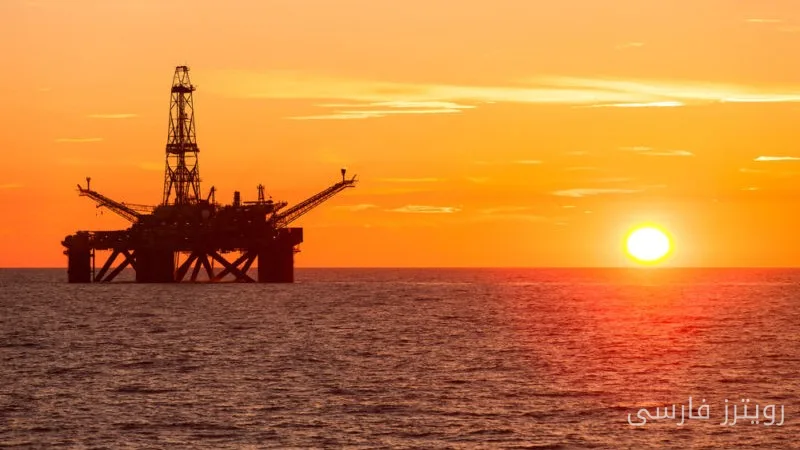
The Iran war, as a turning point in contemporary history, has had profound effects not only on the Middle East but also on the entire global oil market. This conflict, which has rapidly expanded from a local to a global scale, has significantly altered oil trade routes and led to the reallocation of resources and a reevaluation of energy supply methods.
New Developments in the Oil Market
With escalating tensions, countries dependent on Iranian oil are seeking new and safer resources to meet their energy needs. These changes not only affect prices but are likely to lead to shifts in trade patterns and oil transportation routes. Many oil buyers have turned towards new markets such as Latin American and African countries, while others are looking to explore new resources in less-known regions.
On the other hand, Iranian oil exports have sharply declined, putting pressure on Asian countries that have traditionally been the main customers of Iranian oil. These countries are striving to find alternatives to Iranian oil, which has led them to increase imports from the Middle East and other regions.
Economic and Political Consequences
Recent developments in the oil market could bring about significant economic and political consequences. The rise in oil prices due to supply shortages may impose greater economic pressures on consumer countries, and this situation could lead to social discontent and even political unrest.
Meanwhile, major global powers are also looking to reassess their energy strategies. This war may be seen as an opportunity for other countries to increase their influence in the oil market and strengthen their positions. Ultimately, changes in oil trade routes will not only impact the global economy but could also lead to broader political changes.