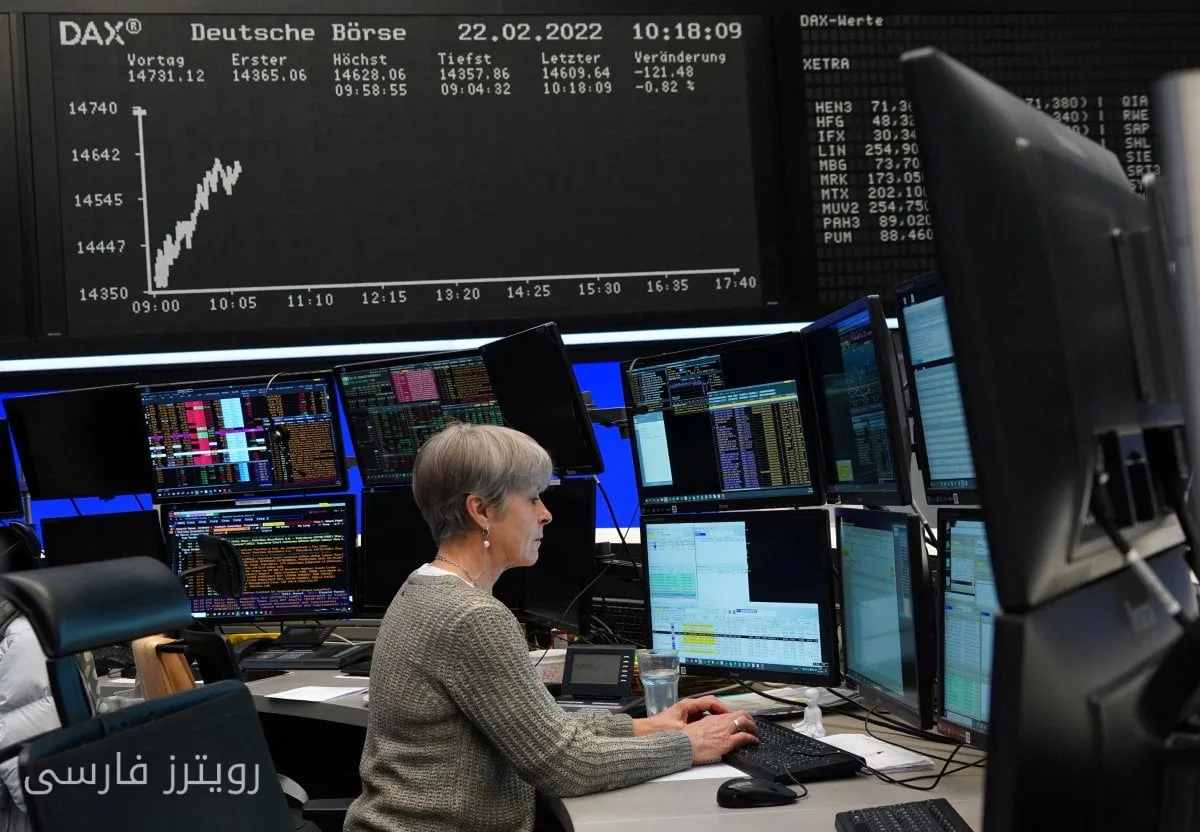
Germany, known as the largest economy in Europe, experienced a ۰.۸% decrease in exports in July. This drop, which was contrary to previous forecasts, has sounded an alarm for the future economic outlook of the country. While analysts expected Germany's exports to increase this month, the results indicate serious challenges in the economic arena.
Causes of Export Decline
Initial analyses suggest that factors such as fluctuations in the global market, rising production costs, and weak demand in some key markets are among the main reasons for this decline. Additionally, economic instabilities in allied countries and target markets have directly impacted Germany's exports.
This decline in exports could bring concerning signs for Germany's economy. Many experts believe that if this trend continues, it could lead to a decrease in gross domestic product and an increase in unemployment. Germany has been recognized as an economic power in Europe in recent years, but these developments indicate that the country may face new challenges.
Economic Consequences
The decline in exports not only affects the manufacturing industries but could also lead to reduced investor confidence and greater volatility in financial markets. For countries that rely on German exports, this situation could mean reduced trade cooperation and a slowdown in economic growth.
Ultimately, this decline in exports could be seen as a negative sign in Germany's economic outlook. If conditions do not improve, Germany may face even more serious challenges in the near future, which could also impact the entire European Union.