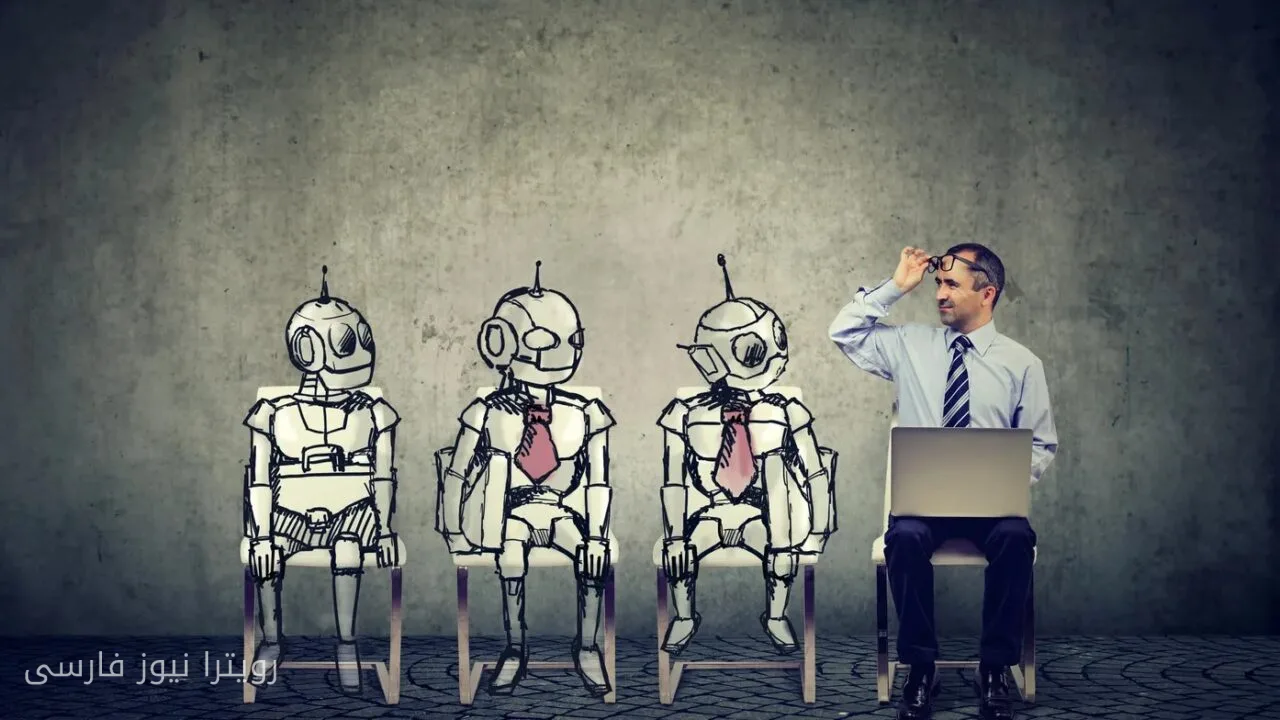
Artificial intelligence, as a new technology, has become a topic of discussion and concern among people in various countries. A global survey conducted by the Pew Research Center examined people's views and concerns about the impact of artificial intelligence on jobs and economic inequality. This survey was conducted from February 8 to May 13, 2023, and included the opinions of 42,151 people across 37 different countries.
Concerns in Wealthy Countries
The majority of respondents consider artificial intelligence a threat to human employment. In 34 out of the 37 countries surveyed, individuals are more likely to conclude that artificial intelligence will eliminate jobs in the next two decades rather than create new job opportunities. This concern has reached 76% in wealthier countries, especially in Australia and South Korea, and 71% in the United States. Dario Amodei, CEO of Anthropic, had previously warned that artificial intelligence could eliminate half of entry-level administrative jobs.
Read more: Revealing the infiltration of malicious actors from OpenAI into Hugging Face accounts
Increasing Economic Inequality
Overall, respondents believe that the expansion of artificial intelligence could widen the gap between the rich and the poor. This view is particularly prevalent among residents of wealthier countries with left-leaning political inclinations. Additionally, age is also seen as a significant factor influencing individuals' attitudes toward artificial intelligence. Older individuals express more concern than younger people regarding the impact of this technology on daily life. Adults aged 18 to 34 also have mixed feelings about this technology, and their concerns are on the rise.
Differing Attitudes Among Generations
In countries like Sweden, Poland, Japan, Australia, Brazil, and the United States, young people's concerns about the impact of artificial intelligence on jobs have increased over the past year. Young people in these countries express greater worry about job losses due to artificial intelligence and the exacerbation of economic inequality. However, the overall picture of public attitudes toward artificial intelligence is not entirely negative. Despite economic concerns, 41% of respondents feel both worried and excited about the increasing presence of artificial intelligence in daily life. In contrast, 37% feel worried, and only 13% are excited.
Overall, this survey reflects widespread global concerns about the impacts of artificial intelligence on jobs and economic inequality and highlights the need for attention and action in this area.
Read more: Increase in Lumetum and Kahiranet stocks in the S&P 500 market · Alexis Ohanian: The tech industry has been indifferent in explaining the risks of artificial intelligence