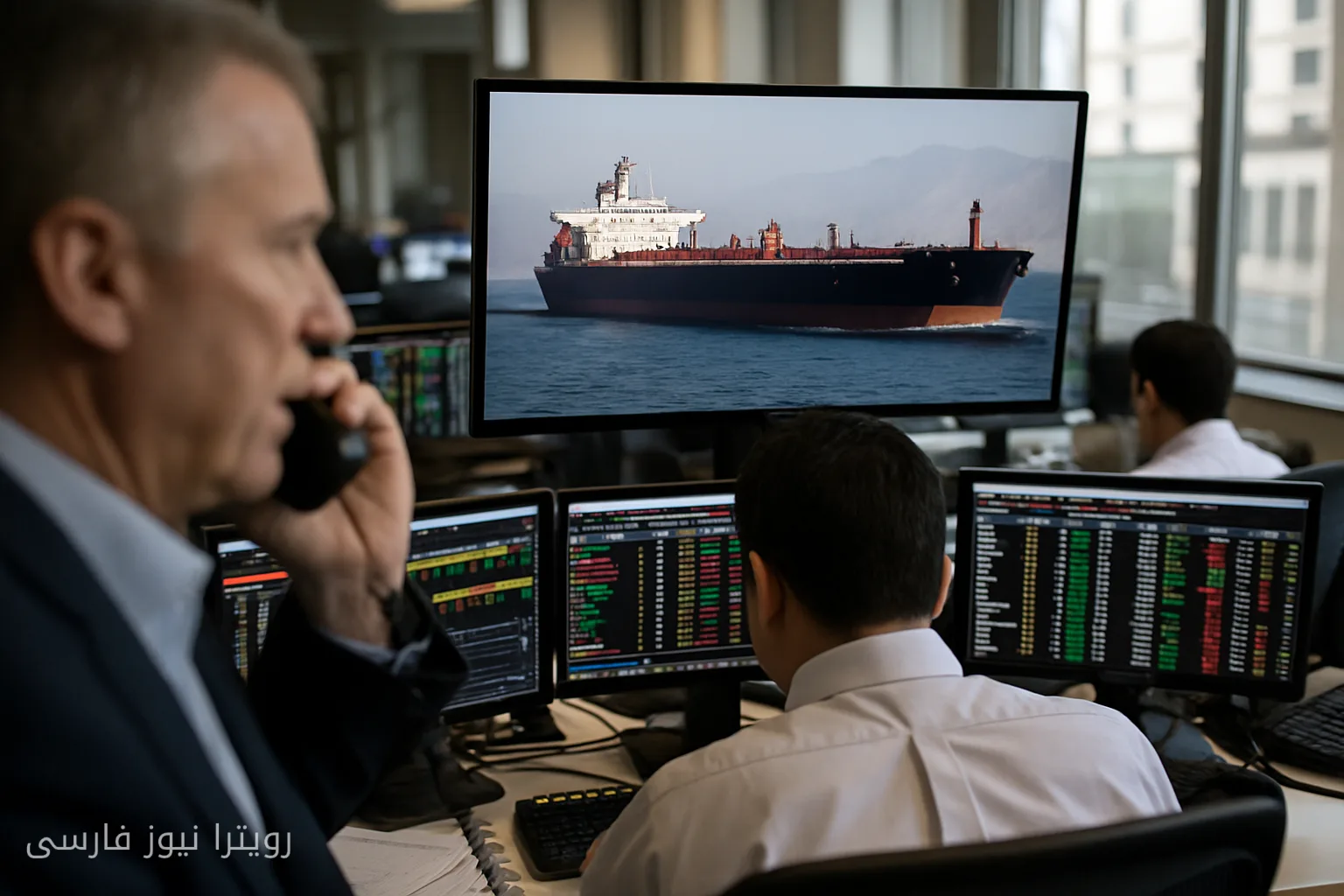
Following the recent war in Iran, the costs of tanker passage through the Strait of Hormuz have significantly risen. This change not only affects the commercial fleet but could also harm the global supply chain. The Strait of Hormuz, considered one of the most important oil transport routes in the world, is recognized as a strategic passage, and any disruption there could have devastating effects on the oil market and prices.
New Challenges for Global Trade
Executives from major oil and trading companies have pointed out that this increase in costs could lead to higher oil prices in global markets. Some analysts believe that this trend could contribute to rising inflation rates in oil-importing countries and even lead to economic crises in some nations.
This situation comes at a time when forecasts for global oil demand have generally been positive, and these concerns could overshadow the future of the oil market. Given that many countries are heavily reliant on Iranian oil exports, these developments could have serious political and economic repercussions for the region and beyond.
Political and Economic Consequences
With rising political tensions in the region and uncertainty regarding the security of the Strait of Hormuz, companies and governments are considering alternative solutions for their energy needs. This could lead to significant changes in business and investment strategies in the oil industry.
Ultimately, the increase in tanker passage costs through the Strait of Hormuz not only affects oil prices but could also lead to significant fluctuations in international financial and economic markets. These changes reflect the high sensitivity of the oil market to political and military conditions in the Middle East and could have further impacts on the global economy in the near future.