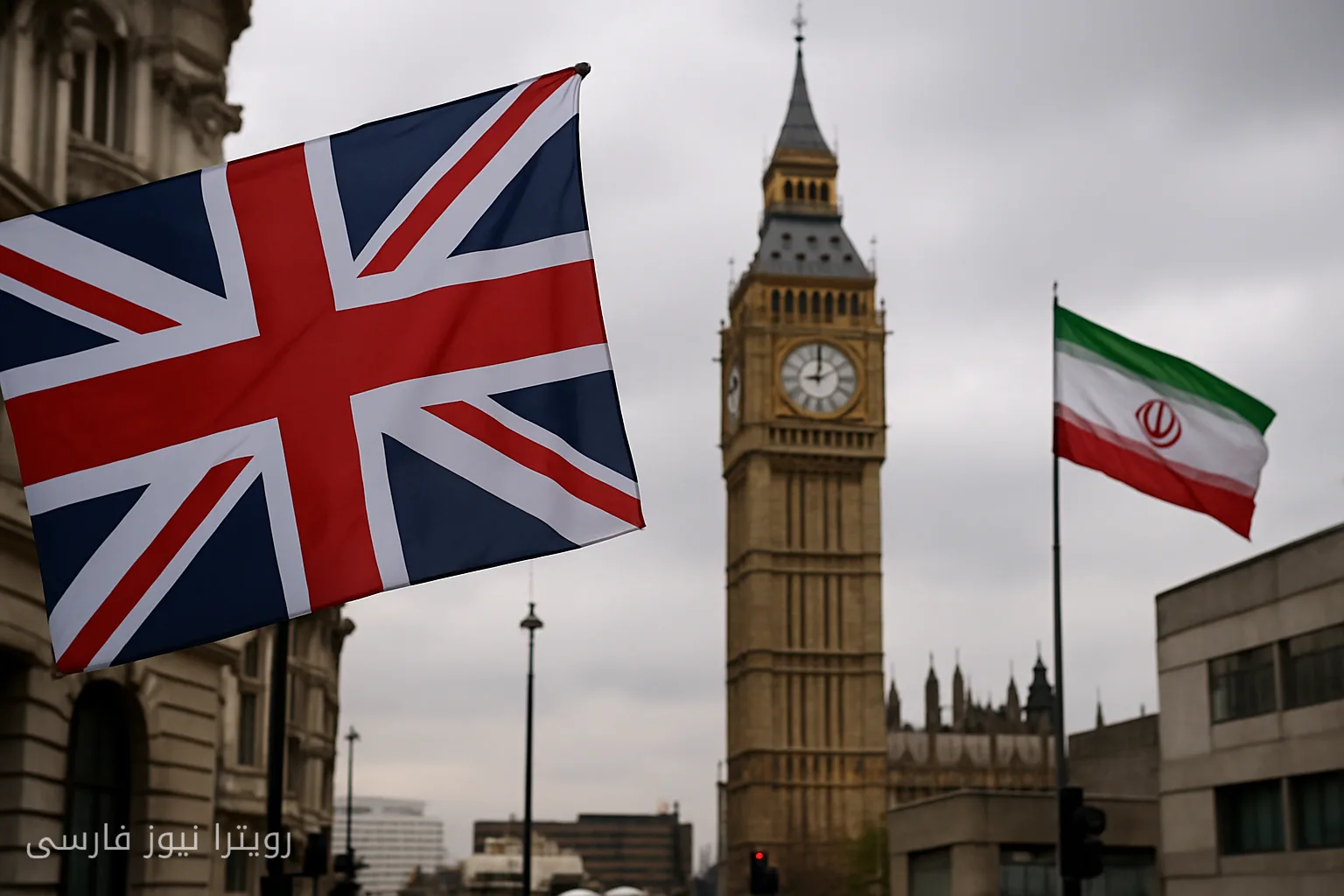
In a controversial and contentious move, the British government has recently passed a law that will significantly increase economic and political sanctions against Iran. This law has been enacted in response to growing international concerns over Iran's nuclear program and the possibility of the country acquiring nuclear weapons.
Response to Global Concerns
The passage of this law, as a decisive reaction to Iran's nuclear program, demonstrates the serious commitment of Britain and other Western countries to prevent the proliferation of nuclear weapons in the Middle East. Analysts believe that this action could escalate tensions in the region and have profound effects on Iran-Britain relations.
As part of this law, the sanctions include further restrictions on the export and import of goods, financial and banking prohibitions, as well as travel restrictions for individuals identified as officials and executors of Iran's nuclear program. These sanctions will particularly impact Iran's oil and gas industries, which are among the country's main sources of revenue.
Potential Consequences
While the British government hopes that these sanctions will exert more pressure on Iran and bring it to the negotiating table, some experts warn that these actions may provoke strong reactions from Tehran rather than induce changes in Iran's policies. Iran has repeatedly stated that it will not succumb to external pressures and will continue to strengthen its nuclear program in response to these sanctions.
Given recent developments, it seems that tensions between Iran and Western countries, especially on the brink of potential negotiations to revive the 2015 nuclear agreement, will increase. This new law could be a turning point in Iran's international relations with the West, and its repercussions are expected to become more apparent in the coming weeks and months.