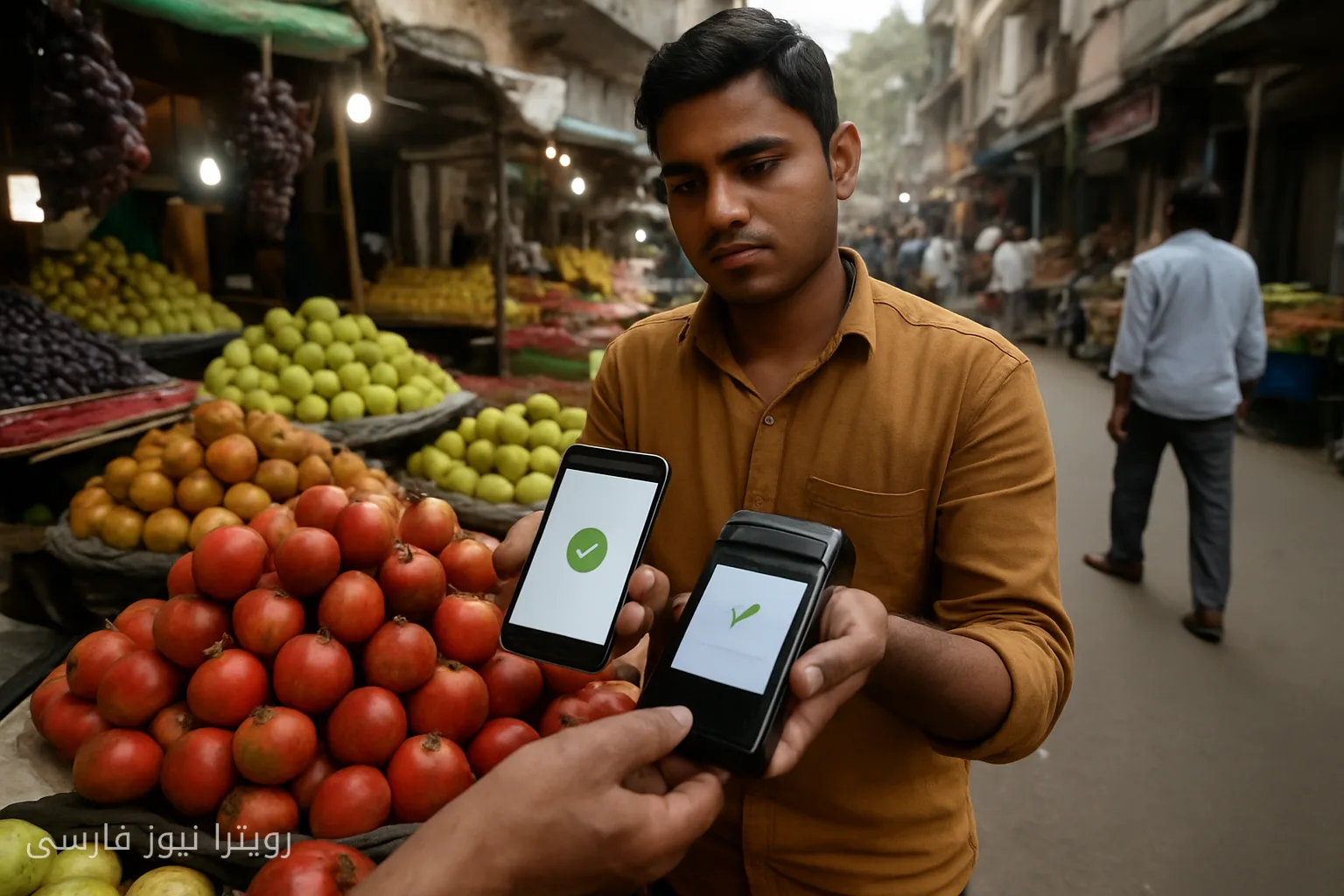
India's digital payment system, recognized as the largest real-time payment system in the world, has recently announced that it will soon introduce tariffs for its services to merchants. This decision has been made to cover the costs of infrastructure and services of this system.
Details of Tariff Changes
Currently, India's digital payment system processes over a million transactions every two minutes for free. However, with the onset of these changes, merchants will be required to pay a fee for conducting transactions. According to officials, these changes are essential to maintain and develop digital payment infrastructure in India.
Market and Merchant Reactions
Merchants and businesses have shown varied reactions to these changes. Some merchants have expressed concerns about this decision, believing that these costs may negatively impact the final prices of products and services. Conversely, others view these changes as a positive step towards improving the quality of services and infrastructure.
India, as a pioneer in the digital payment sector, has always strived to enhance its services while simultaneously facing new challenges in this field. However, this decision could significantly impact small and medium-sized markets.
Potential Implications for the Market
Given that India is recognized as a large and growing market in the digital payment sector, tariff changes could have significant effects on consumer and merchant behavior. If merchants cannot manage the new costs effectively, product and service prices may rise, which could affect consumers' purchasing power.
Overall, these changes in India's digital payment system will impact not only merchants and businesses but also the entire digital economy of the country. Therefore, paying attention to how these changes are implemented and the market's reactions in the near future is of great importance.
Read more: Federal Reserve interest rate hike and its impact on bank accounts and loans