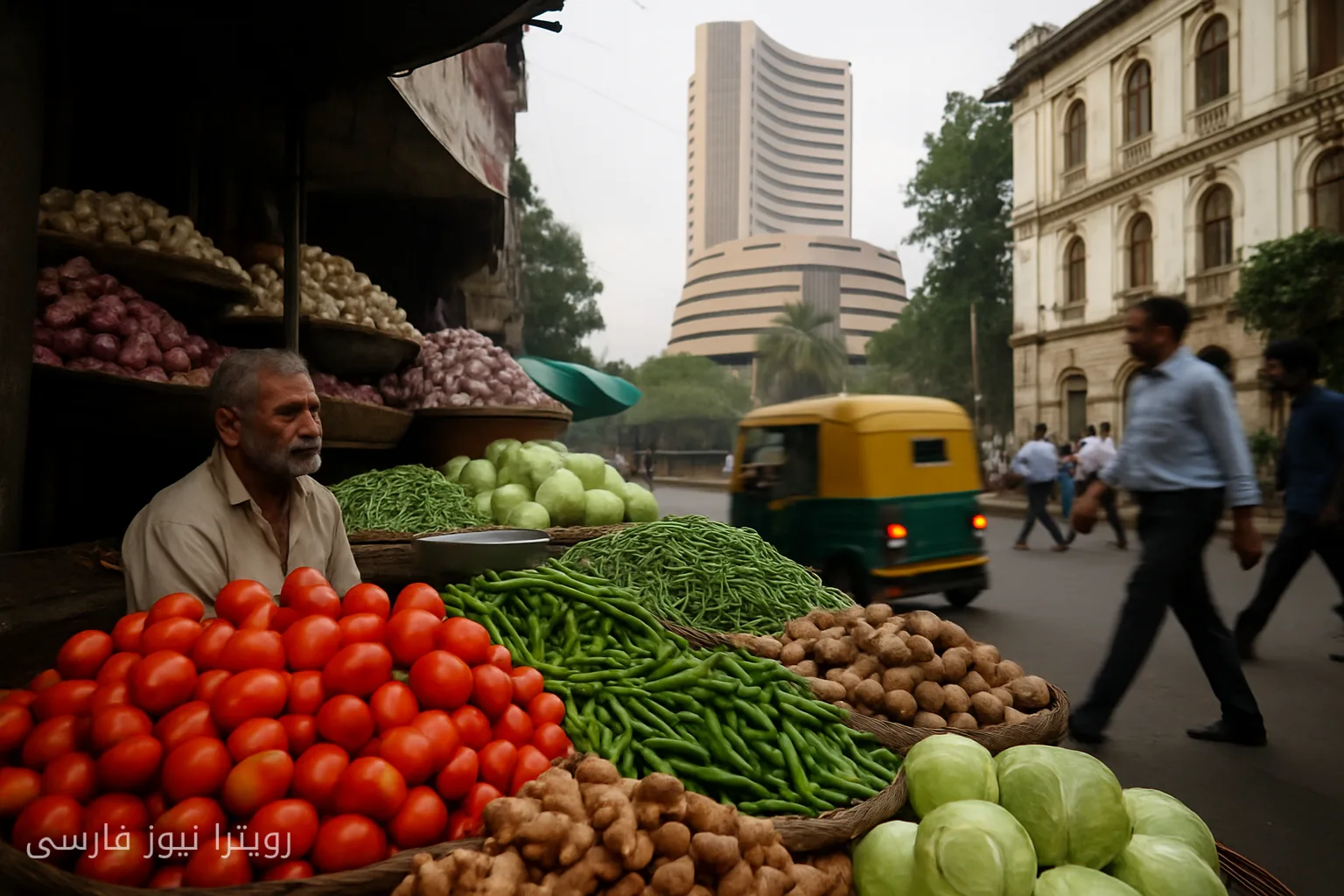
The retail inflation rate in India was reported at 4.82% in August, indicating a continuous rise for the tenth consecutive month. This increase is due to rising food and fuel prices, which exacerbate economic pressures in the country.
Factors Contributing to Inflation Increase
Economic analysts believe that the rise in food and fuel prices has been the main driver of the inflation rate increase in India. Prices of various fruits and vegetables in retail markets have risen, directly impacting household purchasing power. Additionally, global fluctuations in oil prices have also led to increased transportation costs and, consequently, higher prices for goods.
Economic Consequences
This increase in the inflation rate may impact the monetary policies of the Reserve Bank of India. Given that inflation above 4% is considered a warning for the central bank, it may take action to raise interest rates to prevent further inflation growth. An increase in interest rates could lead to a reduction in investments and, consequently, a slowdown in economic growth.
Moreover, pressure on consumers is also increasing as the cost of living rises following price increases. This situation could lead to a decrease in domestic demand and ultimately slow down economic growth in the future.
As a result, the government and economic officials in India must take measures to manage prices and support vulnerable sectors to mitigate the negative effects of this inflation increase. Implementing effective policies can help reduce pressures on households and improve economic conditions.