Iran is seriously seeking to end the siege of Yemen, especially after the Tehran-backed militants have taken control of a key port. These developments not only affect the humanitarian situation in Yemen but could also have a profound impact on the political and military equations in the Middle East.
Control of the Strategic Port
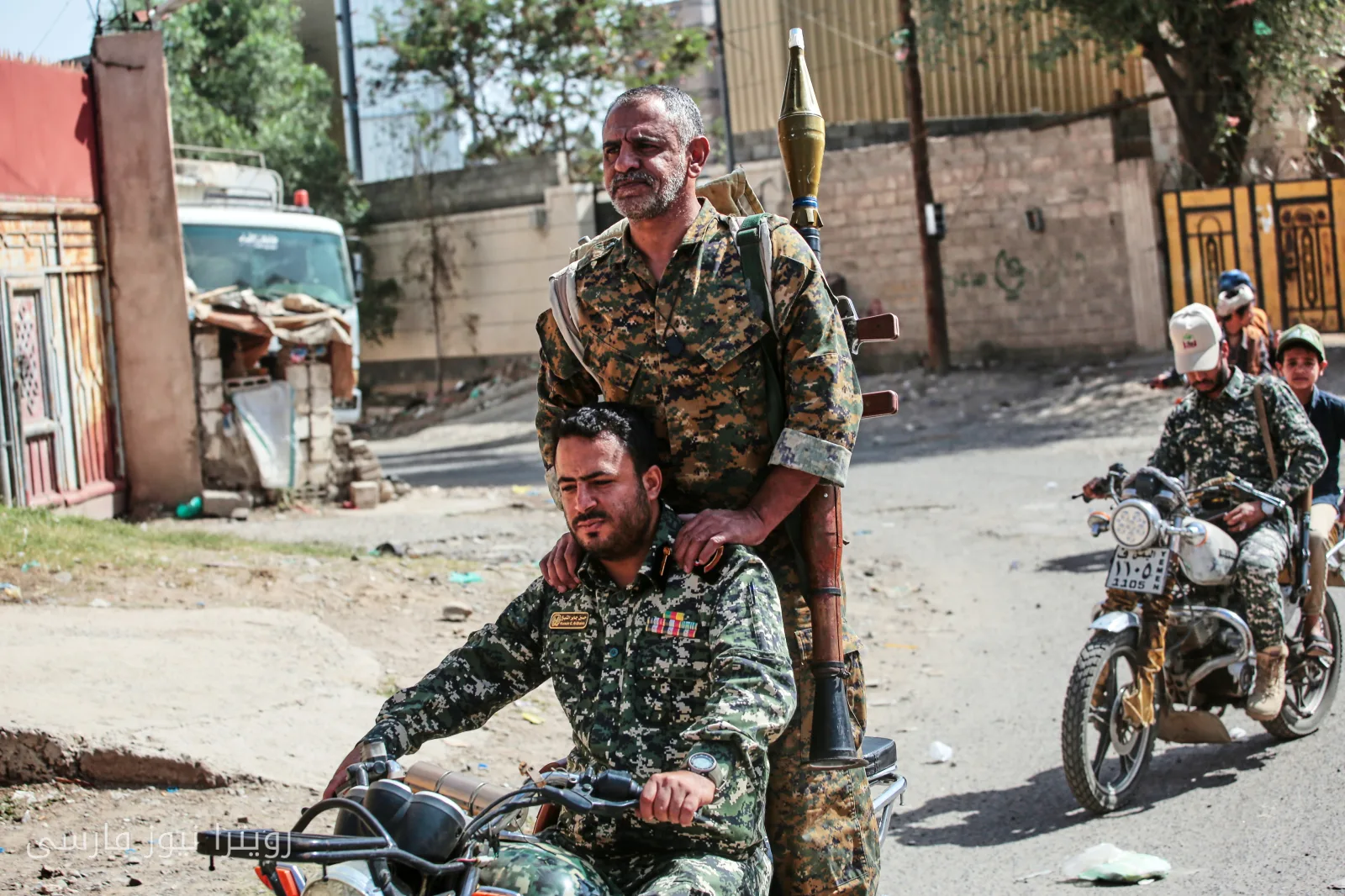
The Yemeni militants, known as Ansar Allah, have recently managed to take control of the port of "Al Hudaydah." This port is one of the most important entry points for goods and humanitarian aid to Yemen, and control over it allows Ansar Allah to have greater control over imports and exports. These changes clearly reflect the growing power of Ansar Allah and Iran's ongoing support for them.
Analysts believe that these developments may give Iran the opportunity to gain a stronger position in international negotiations regarding Yemen. However, this action could increase tensions in the region and provoke negative reactions from the Gulf Arab countries, particularly Saudi Arabia.
Consequences and Future Prospects
Iran has always emphasized that it seeks an end to the war and humanitarian crisis in Yemen. However, at the same time, Ansar Allah's control over the port of Al Hudaydah and Iran's support for them could be seen as a major obstacle to peace. Under these circumstances, it seems that any efforts to reach a peace agreement between the parties will face serious challenges.
Ultimately, the future of Yemen and the humanitarian situation in the country heavily depend on the outcomes of these developments and international reactions. Can Iran and Ansar Allah capitalize on this opportunity for their benefit, or will this situation lead to a continuation of the crisis and conflict? This is a question that will become clearer in the coming days.