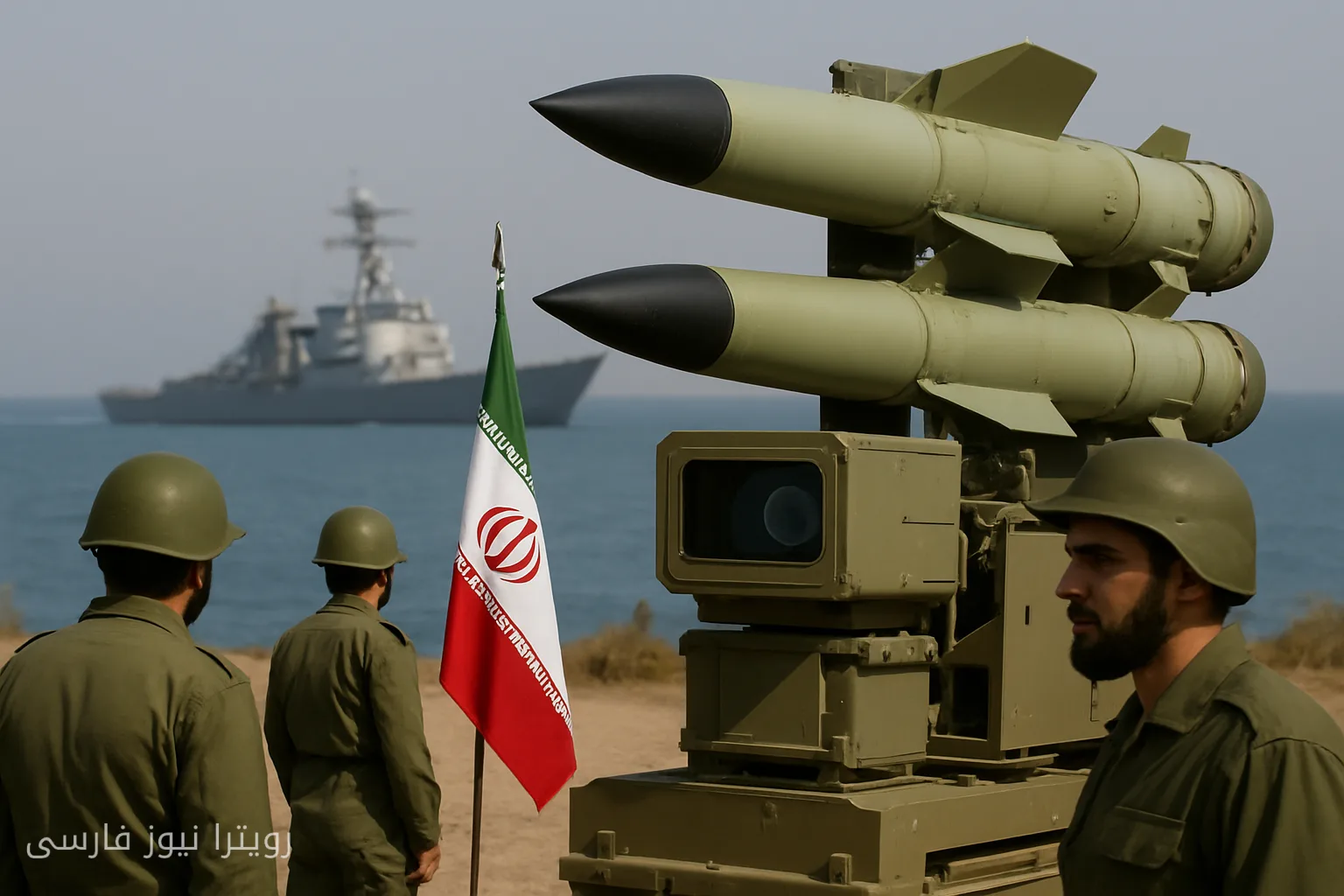
On Tuesday, Iran used its new electro-optical missiles against U.S. warships for the first time. This action follows an escalation of attacks by the Quds Force of the Islamic Revolutionary Guard Corps on American forces in the region and indicates a shift in Iran's military strategy.
New Developments on the Battlefield
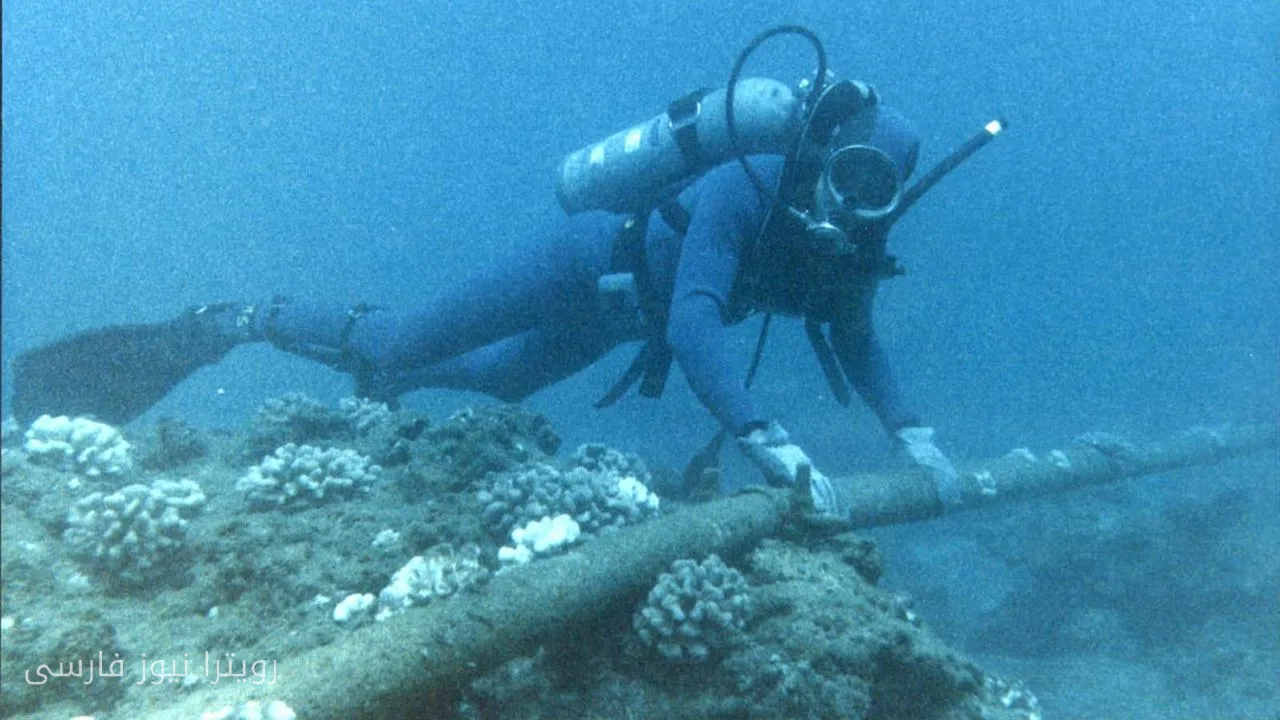
Satellite images from Saudi Arabia show thick smoke rising from a key oil pipeline running from east to west across the country. This pipeline, which is one of the major oil transport routes in the Middle East, is crucial for global energy supply, and any damage to it could have widespread repercussions in the oil market.
As tensions in the region rise, Iran has shown no intention of backing down. Recent attacks demonstrate Tehran's firm resolve to respond to any potential aggression from the United States and its allies. This situation fuels concerns about the possibility of a larger military conflict.
International Implications
Given these developments, analysts believe that the current situation could exacerbate the crisis in the Middle East. Many countries and international organizations are worried about the consequences of these tensions for global security and energy prices. As Iran has gained access to more advanced missiles, the likelihood of a decisive U.S. response to these actions has also significantly increased.
This situation appears likely to affect not only the future of Iran-U.S. relations but also the stability of the entire region. Meanwhile, all eyes are on the subsequent reactions of both sides.