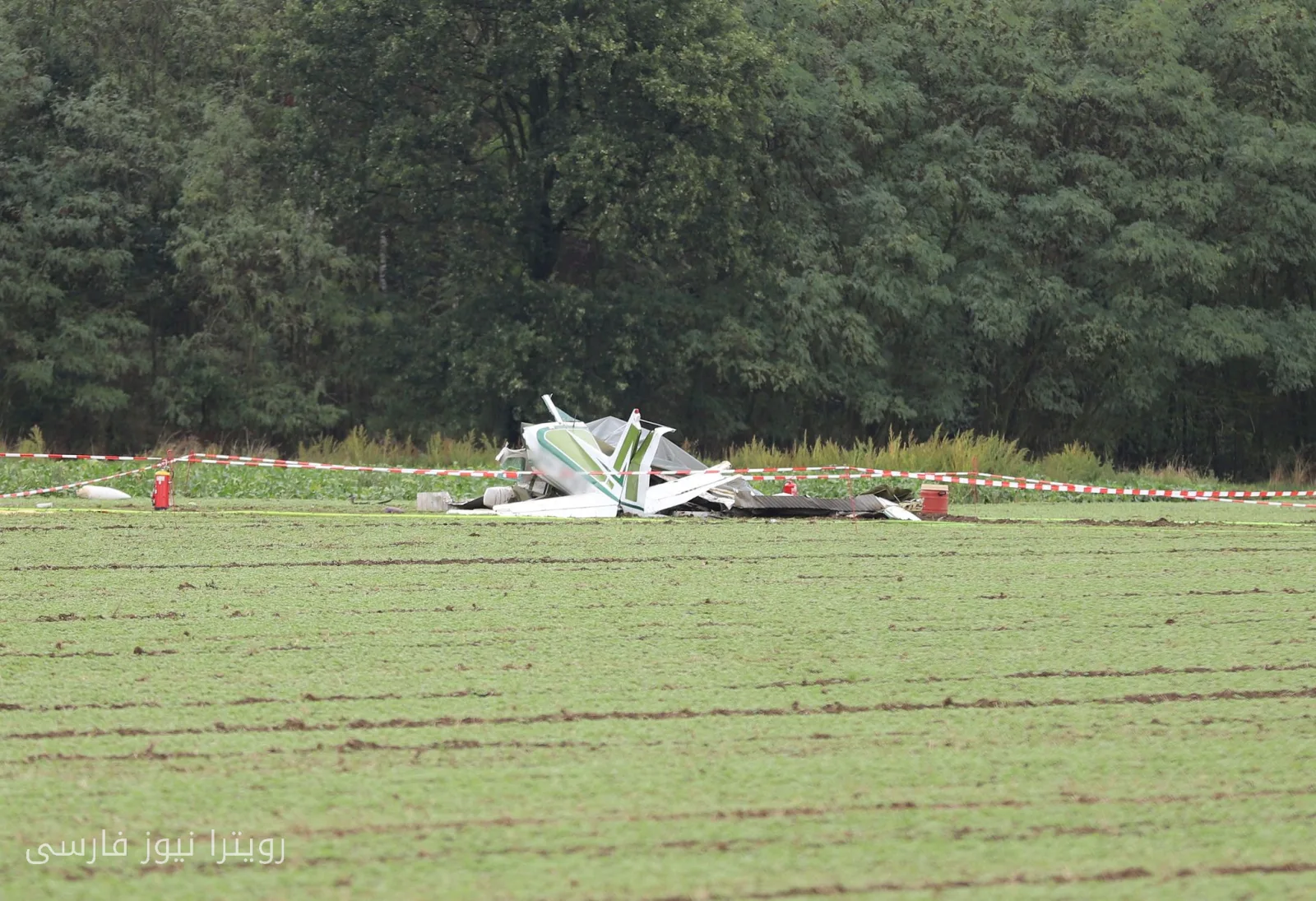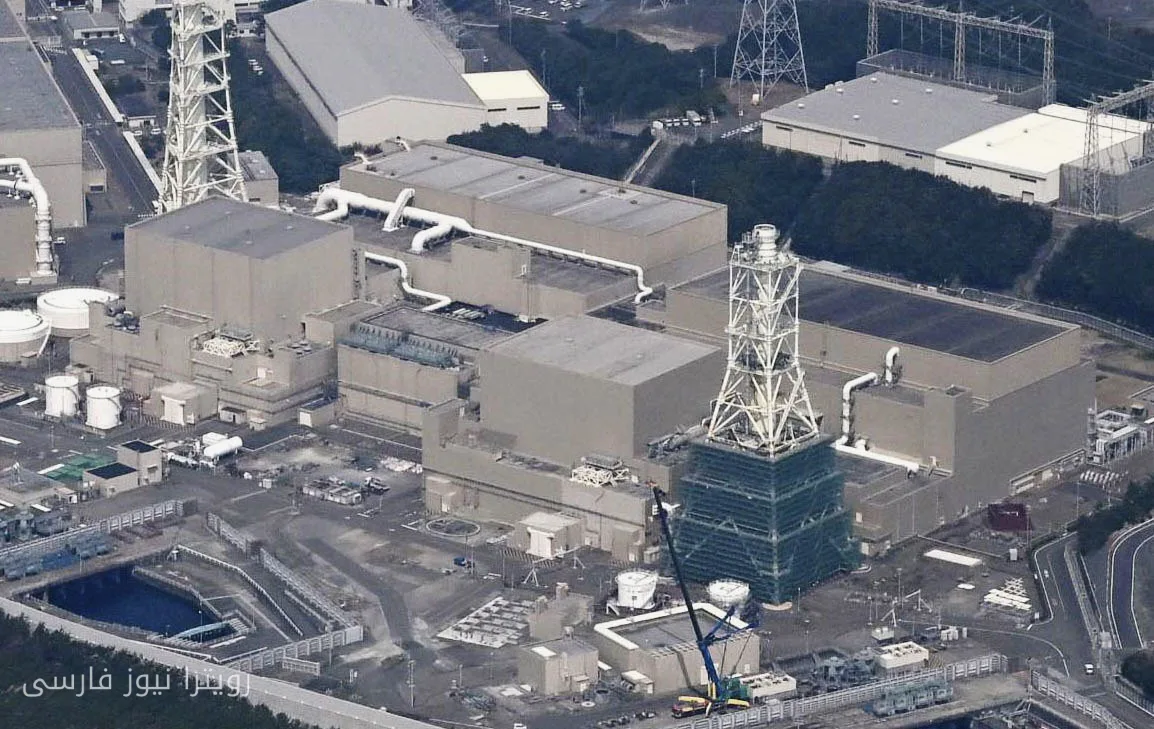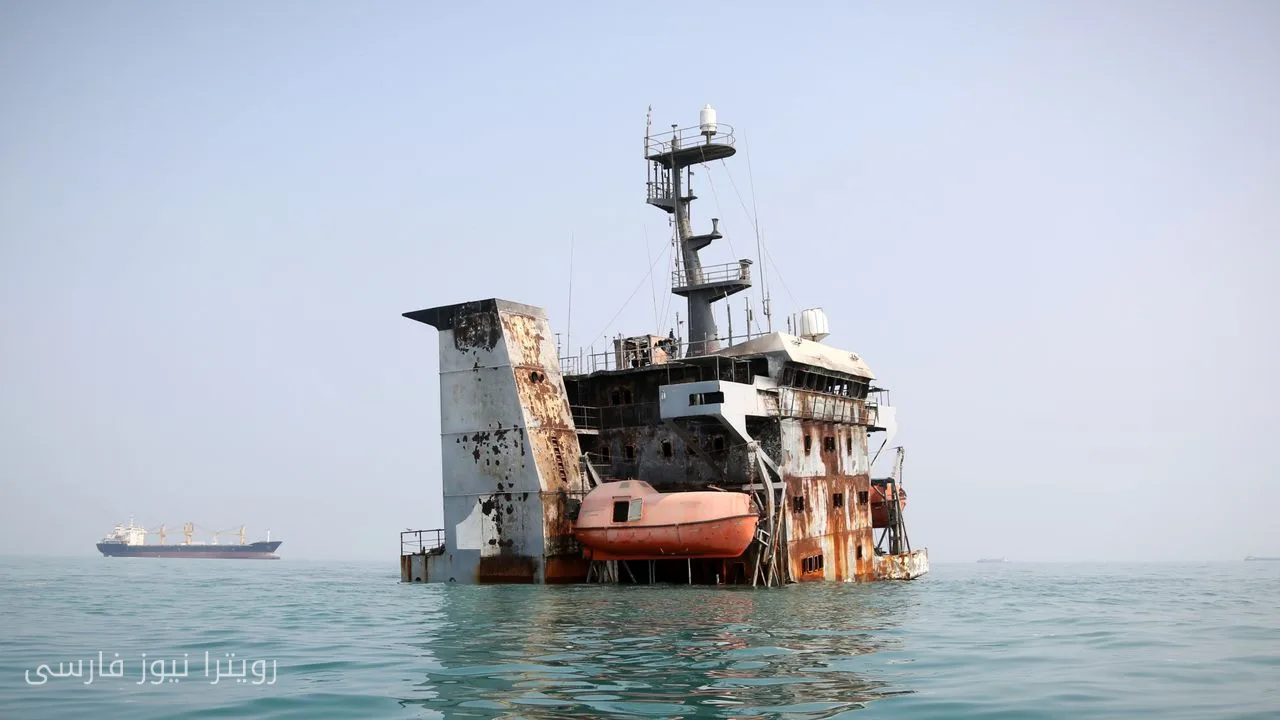
Following rising tensions between Iran and the United States, Iran announced on Wednesday that in retaliation for the sinking of five Iranian oil tankers by the U.S., it attacked two American ships and eight other oil tankers near the Strait of Hormuz. This military operation is seen not only as a response to U.S. military actions but has also significantly increased oil prices, pushing them above $100.
Widespread Impact on the Oil Market
Iran's attacks on American ships come at a time when global oil markets are deeply concerned about the security situation in the Persian Gulf. This region is one of the most important oil transit points in the world, and any unrest there can have profound effects on global oil prices. In light of these developments, crude oil prices have experienced a significant surge, reaching over $100 per barrel.
The U.S. Department of Defense has also confirmed the occurrence of these attacks and stated that they could have serious implications for maritime security in the region. In response to these developments, U.S. officials have threatened to continue their actions in this regard and will defend their interests in the region if necessary.
The Future of Tensions in the Persian Gulf
Given this situation, experts believe that tensions between Iran and the U.S. are likely to escalate in the coming days. Some analysts argue that these tensions could lead to further military conflict, which would have dire consequences not only for the two countries but for the entire global oil market as well.
This new crisis seems to have once again drawn global attention to developments in the Middle East, raising many questions about its implications for energy security and the global economic situation.