In recent days, tensions in the Middle East have reached a peak, and in the latest developments, Saudi Arabia announced that drones from Iraq attacked the East-West pipeline. This incident has led to the closure of a pipeline that Riyadh has been using since the onset of the war. This pipeline is recognized as one of the most important oil transportation lines in the region.
Provocative Actions and Controversial Statements
In this context, Peter Hegseth's statements, a well-known television host, were heavily criticized. He justified war and increased military interventions in the Middle East during a program marking the anniversary of September 11. These remarks sparked controversy not only in Iran but also internationally.
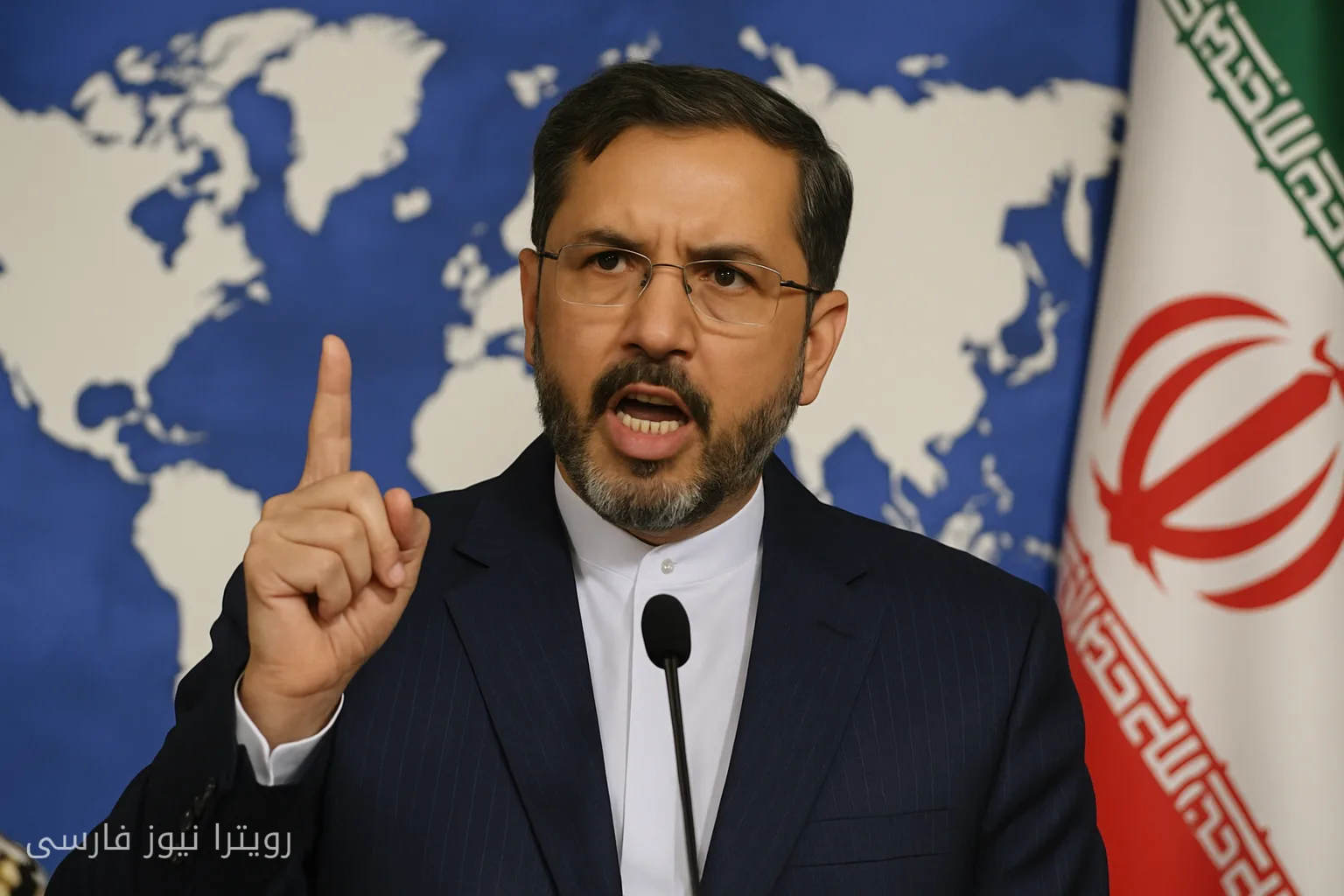
The spokesperson for Iran's Foreign Ministry described Hegseth's statements as stemming from a warmongering mindset and responded sharply. He emphasized that using such occasions to justify war and violence is not only unethical but also leads to heightened tensions in the region. Such statements do not contribute to peace and stability but only exacerbate crises.
Consequences of Warmongering
Given the current sensitive conditions, such statements could have serious consequences for peace and security in the region. Iran, as a key player in the Middle East, has always emphasized the necessity of diplomacy and dialogue and condemns any military action. It seems that if these tensions are not properly managed, they could escalate into a larger crisis.
Overall, Peter Hegseth's statements and Iran's reaction reflect the complex and volatile situation that requires more attention and careful consideration from the international community.