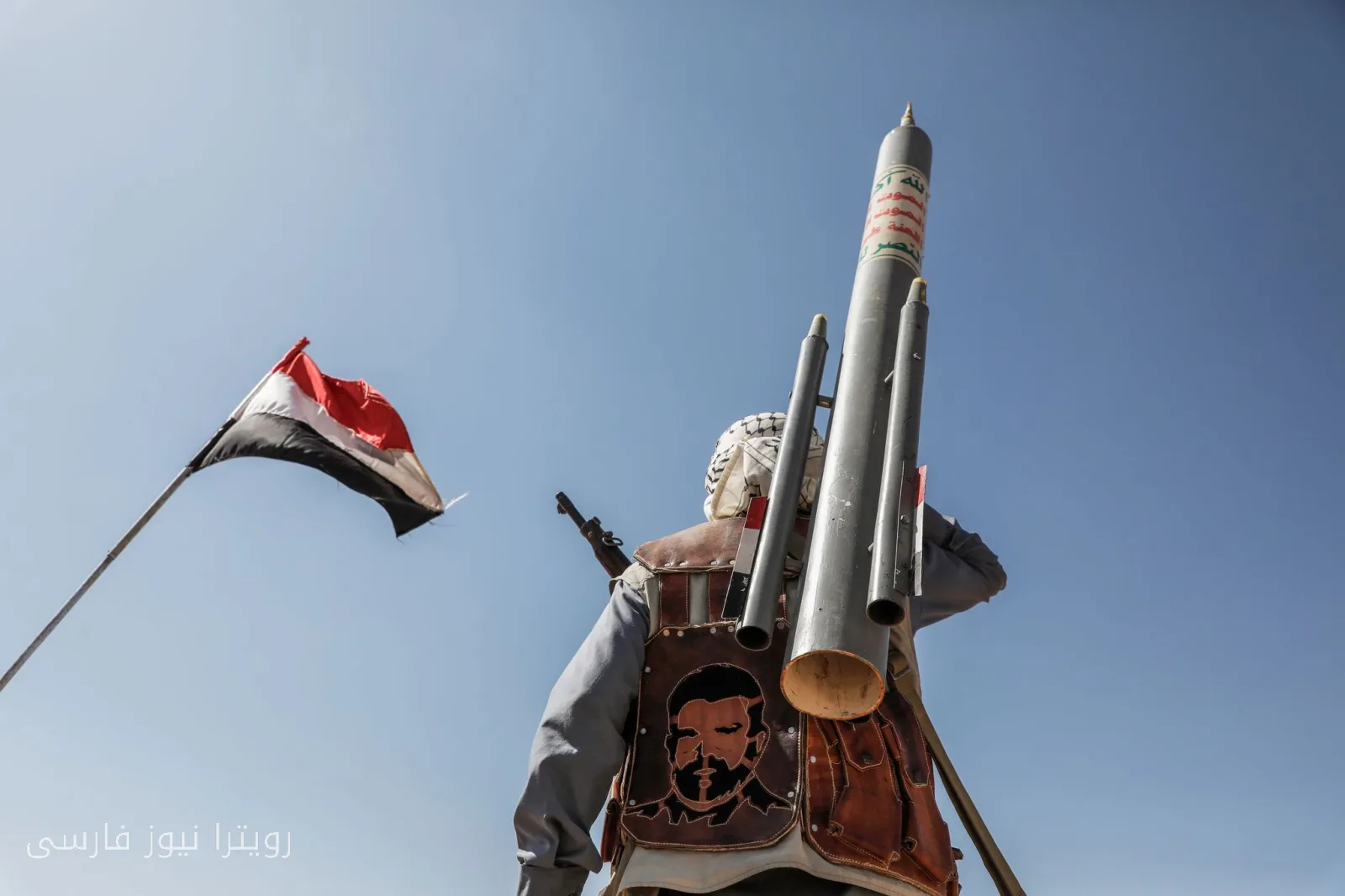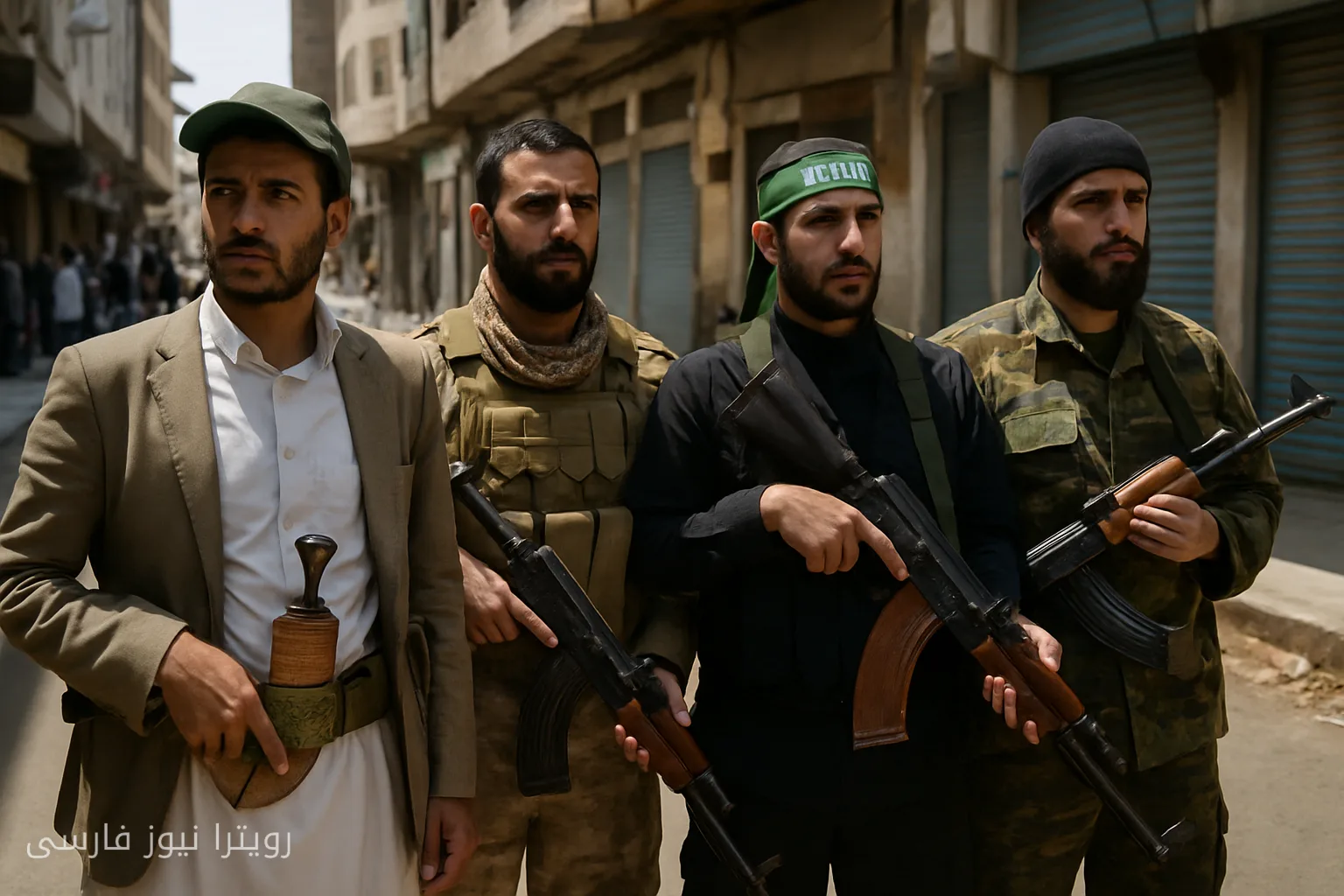
As Hamas and Hezbollah are under severe pressure, Iran is seeking to rebuild and strengthen its proxy networks in the Middle East. These efforts not only include strengthening relations with the Houthis in Yemen but also refer to the use of Iraqi militias.
New Developments on Proxy Fronts
Reliable sources report that Houthi representatives are operating in command rooms controlled by Iraqis. This close connection could help Iran stand more effectively against threats from its enemies. It seems that Iran is looking to expand its influence in various regions of the Middle East, which in a way indicates Tehran's new strategy in facing existing crises.
These changes come at a time when analysts believe that Iran is expanding its hybrid warfare tools. Instead of focusing on a single front or specific tool, Tehran is looking to employ multiple policies and different military forces that can simultaneously achieve the country's objectives at various levels.
Challenges Ahead and the Future of Proxy Warfare
Iran is well aware that to maintain its power and influence in the region, it must simultaneously confront new challenges posed by Western supporters and regional enemies. These conflicts not only impact the battlefield but also affect the foreign and domestic policies of countries. Can this new Iranian strategy contribute to regional stability, or will it, on the contrary, escalate tensions?
In the end, it remains to be seen whether Iran can achieve its goals with this new approach or if these movements will turn out to be more detrimental than beneficial.