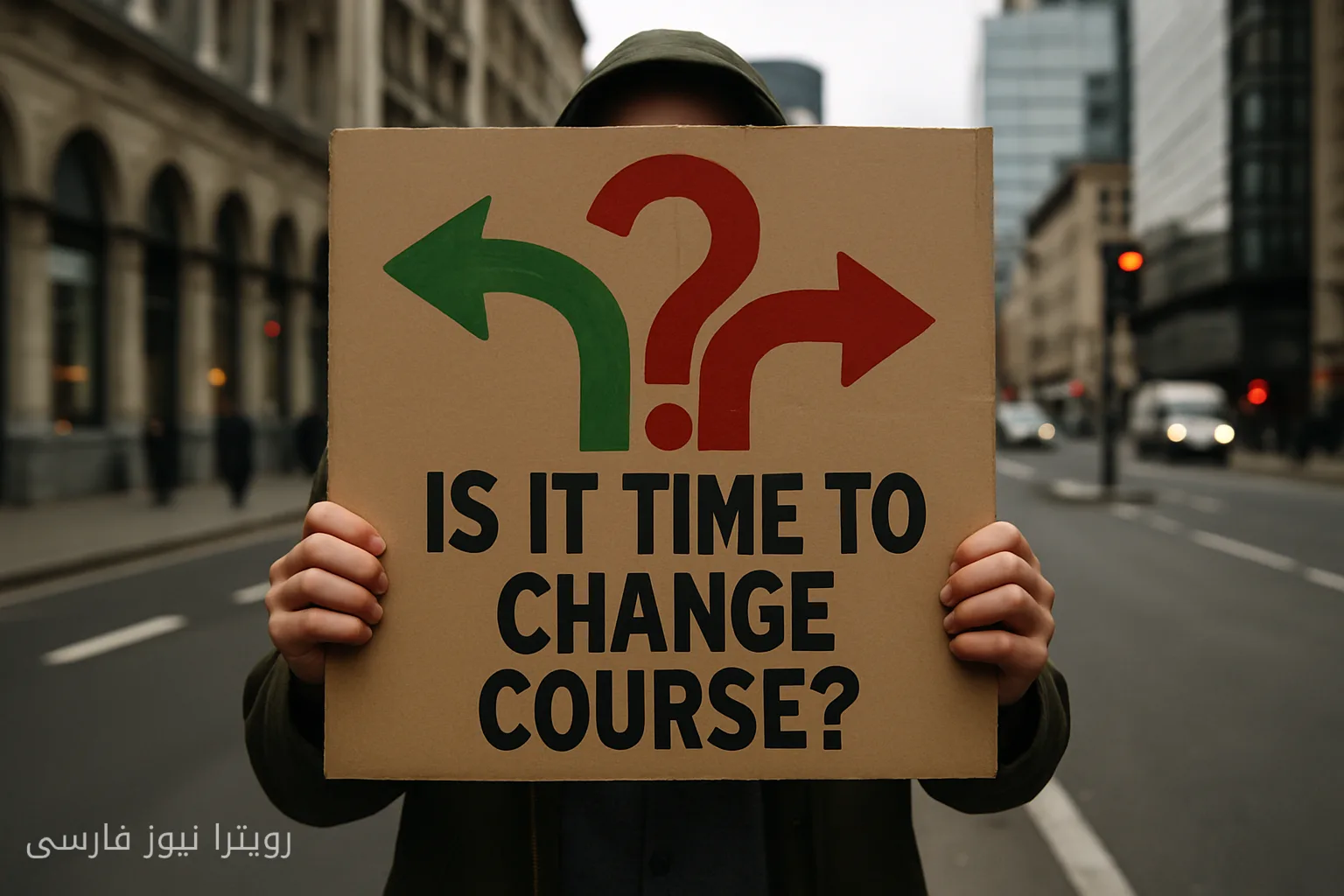
In 2015, the countries of the world enthusiastically reached a historic agreement: to limit the increase in temperature to below 2 degrees Celsius. However, now, eight years later, alarming realities show that this goal seems simply unattainable. Is it time to reassess our targets?
Challenges Ahead
Global warming, caused by human activities and greenhouse gas emissions, has become one of the greatest challenges of the 21st century. With rising temperatures and phenomena such as floods, wildfires, and unprecedented droughts, many countries are struggling to find effective solutions to combat this crisis. But are these solutions sufficient?
Some experts believe that instead of solely focusing on limiting temperature, we should shift towards new goals such as gradual reduction of emissions and enhancing resilience to climate changes. This change in approach could help countries respond to challenges more adaptively and prevent severe crises.
Need for Reassessing Goals
Given the scientific evidence and recent experiences, reassessing climate goals could allow us to move towards real and sustainable reductions. This approach could include focusing on clean technologies, increasing renewable energy, and supporting vulnerable communities. In fact, it is time to prioritize realistic and practical actions over grand promises.
Ultimately, while international agreements can serve as a basis for cooperation, it is necessary for each country to independently and with strong will design and implement its own plans to combat climate change. Is it not time to take real actions instead of empty promises?