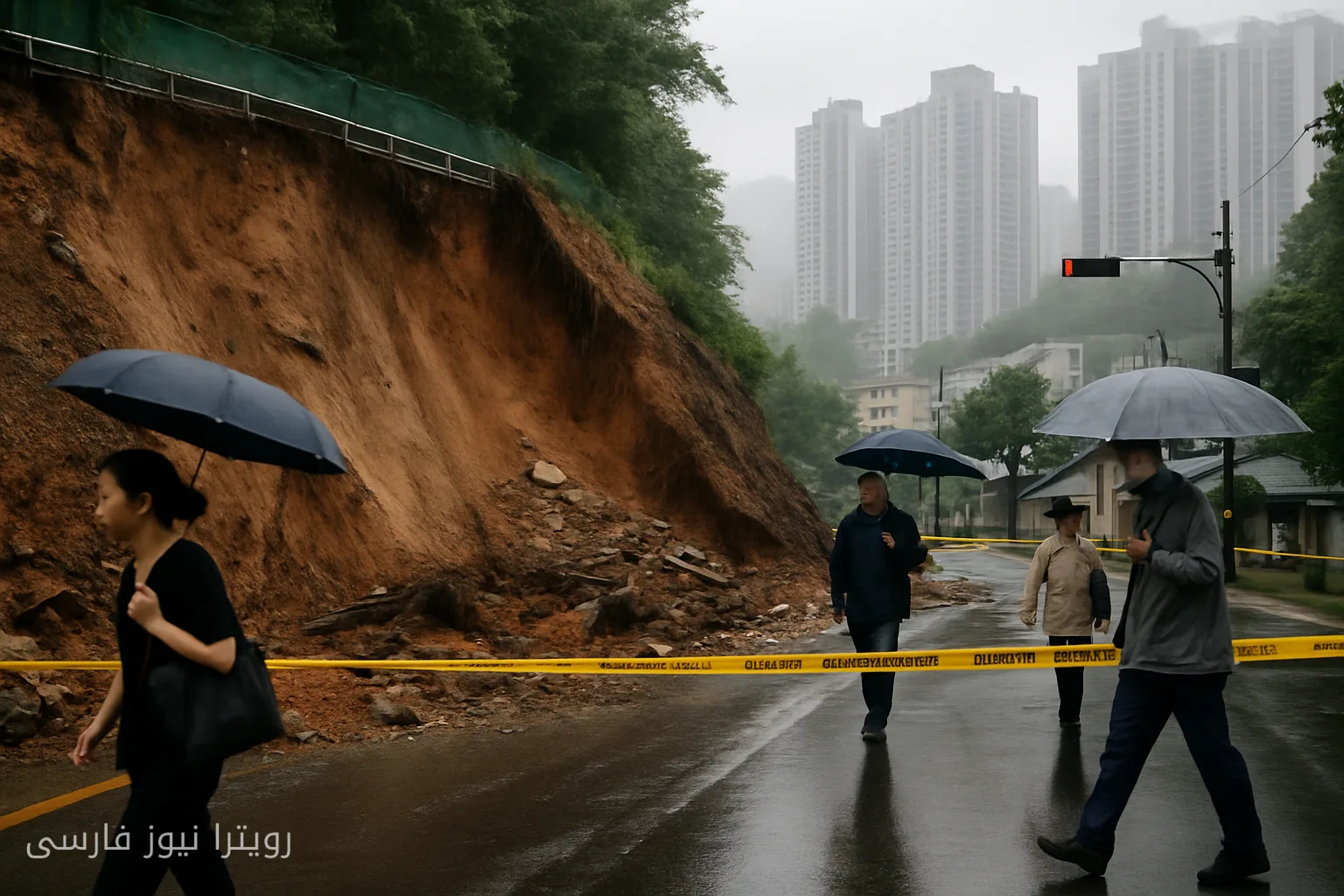
South Korea, as one of the advanced countries in Asia, is currently facing challenges arising from climate change. In particular, the risk of landslides due to heavy rainfall and rising temperatures has raised significant concerns for citizens and officials. According to recent reports, this country is severely affected by climate changes, and some areas are at high risk.
The Impact of Climate Change on South Korean Lands
Climate change has led to increased rainfall and the creation of adverse weather conditions. In recent years, several landslides have been reported in various regions of South Korea, causing significant financial and human losses. This situation has not only affected the daily lives of people but also threatens the country's economic and social infrastructure.
Environmental experts believe that if the South Korean government does not take serious and immediate actions to manage this crisis, it may face even more severe crises in the future. Therefore, there is a need for comprehensive planning and the use of modern technologies to prevent landslides.
Preventive Measures and Challenges
The South Korean government is trying to identify high-risk areas using advanced weather monitoring and mapping systems. However, these measures alone are not sufficient, and there is a need for cooperation from the public and local institutions to implement preventive programs. Given the current conditions, this country must quickly move towards sustainable solutions to remain safe from the dangers of landslides.
Ultimately, South Korea must recognize that climate change is not only an environmental challenge but also a serious threat to the economic and social future of this country. Is this country adequately prepared to stand up to these challenges?