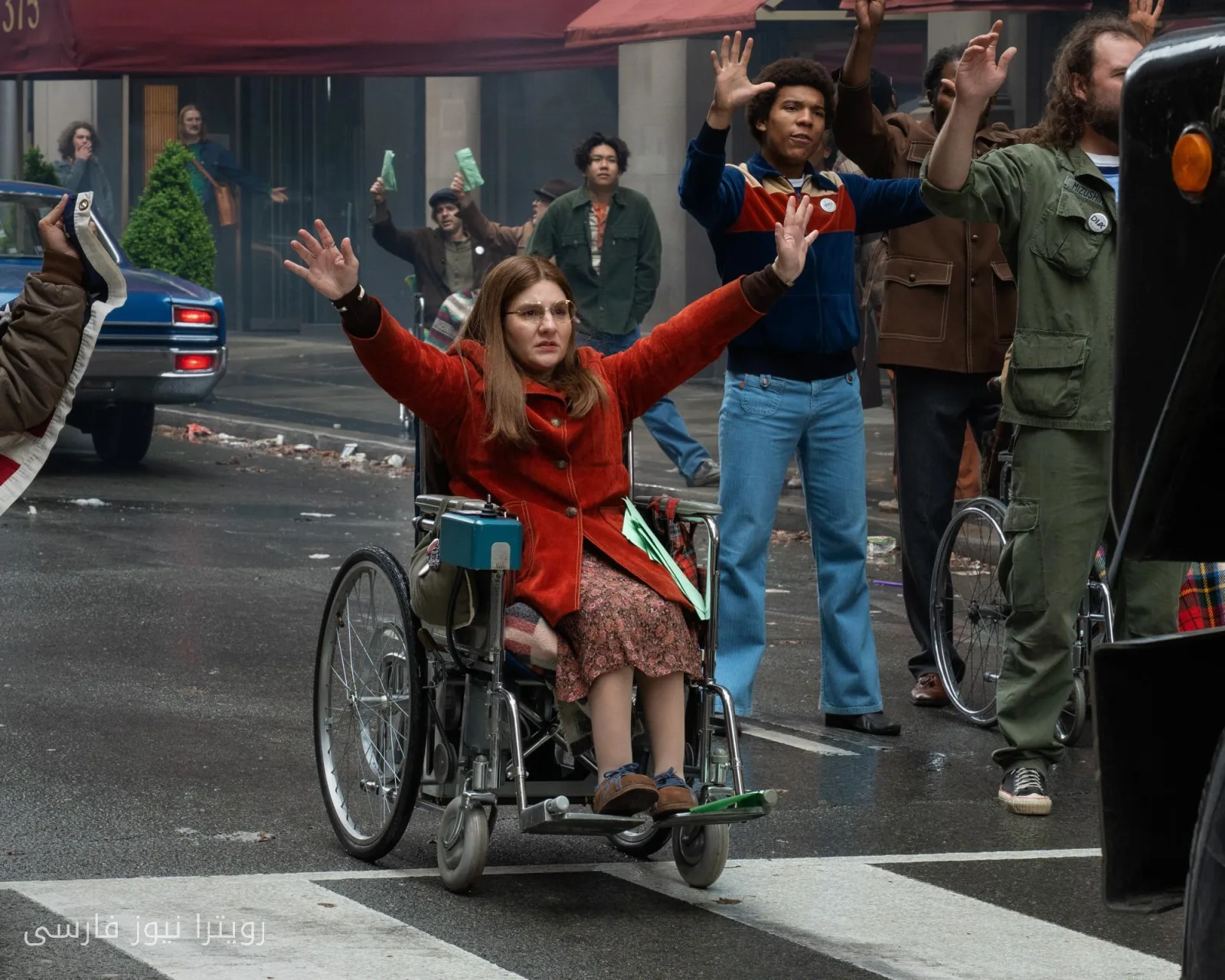
On the eve of the Toronto Film Festival, the film 'Being Heumann' directed by Sian Heder showcases the life story of Judith Heumann, one of the pioneers of disability rights. Heumann, recognized as a prominent activist in this field since the 1970s, holds a special place in contemporary history for her efforts to bring about fundamental changes in urban infrastructure and disability rights.
From Early Efforts to Major Successes
As I was heading to the airport and dragging my suitcase along the sidewalk, I noticed the special cuts for suitcase passage. These facilities, which are now considered commonplace, were hard-won and once regarded as radical and costly changes. Judith Heumann made these changes possible through her efforts, and this film clearly showcases her struggles at the beginning of her journey.
The film 'Being Heumann', while having a noble goal, sometimes seems to face challenges in storytelling. While some moments convey a particular enthusiasm to the viewer, in other parts, a sense of repetition and imitation arises. These difficulties, alongside the narrative of Heumann's life, are notable features of this work.
Language and Storytelling Style
The storytelling style in this film, despite some flaws, effectively captures Heumann's heroic spirit. Viewers can empathize with the main character and share in her journey toward social justice and disability rights. Judith Heumann, as a symbol, has played an important role not only in the history of disability rights but also in women's struggles and human rights.
In summary, 'Being Heumann' is an impactful work that can inspire many. However, to become a masterpiece, it requires more precision in narrative and structure. Ultimately, this film is a portrayal of human struggles that can remind us that there is still a long way to go to achieve justice and equality.