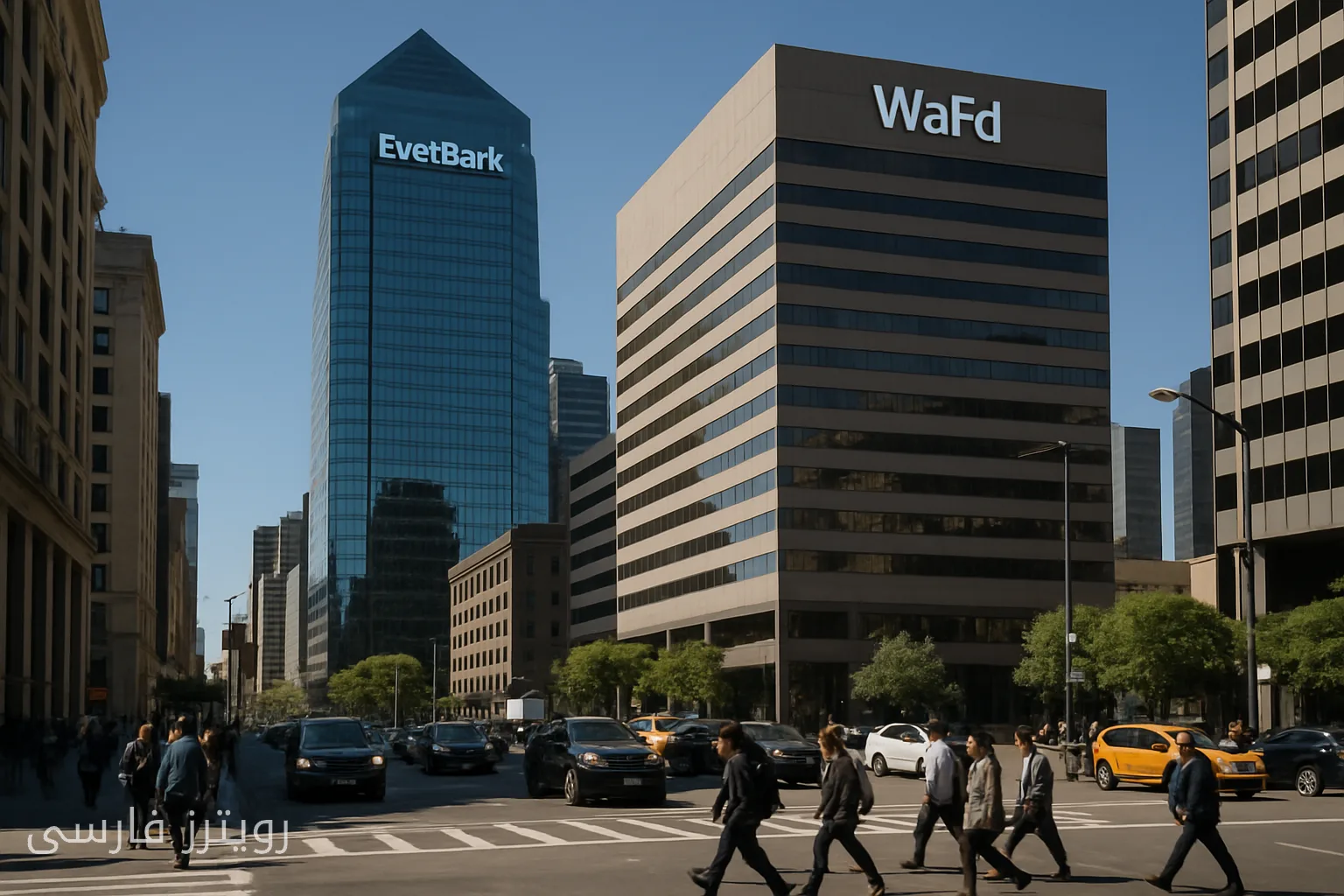
In a major shift in the financial world of the United States, EverBank and WaFd have decided to merge in a meaningful deal worth $۳.۹ billion. This merger, known as a reverse merger, signifies major changes in the financial and banking strategies of these two entities. Given the market conditions and the need for financial innovations, this move could have significant impacts on the future of both banks and the entire financial industry.
Merger Analysis
Reverse mergers are recognized as a strategic way for companies to increase value and attract new investors. In this case, EverBank, with a strong history in providing financial services, is looking to expand its range of activities and leverage WaFd's infrastructure. This agreement not only allows EverBank to quickly access new resources, but WaFd will also be able to benefit from EverBank's extensive network through this merger.
Given the significant changes that have occurred in financial markets, this merger could be seen as a sign of new trends in the banking industry. While some experts have expressed concerns about the potential consequences of this merger, many others believe that this action could help strengthen competition in the market and provide better services to customers.
Future Outlook
Considering the current economic situation and the challenges that banks face, this merger could be an opportunity to create innovative solutions and improve efficiency. As competition in the financial market has intensified, such mergers can help banks respond more quickly to market changes and better understand customer needs.
Ultimately, it remains to be seen whether this merger can serve as a model for other banks in the future. Given the fate of these two entities and the potential impacts on the market, the future of this merger could be significantly influenced.