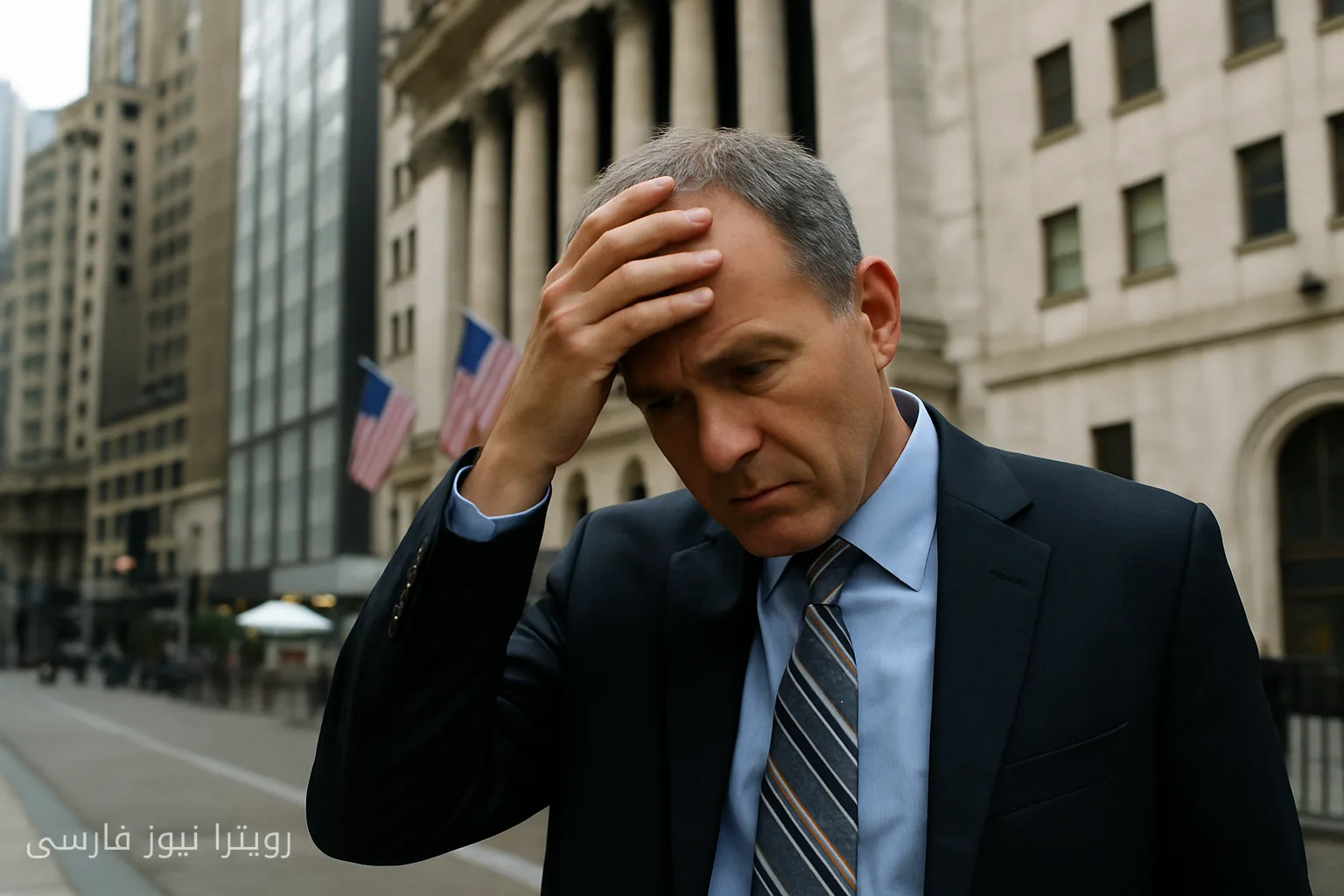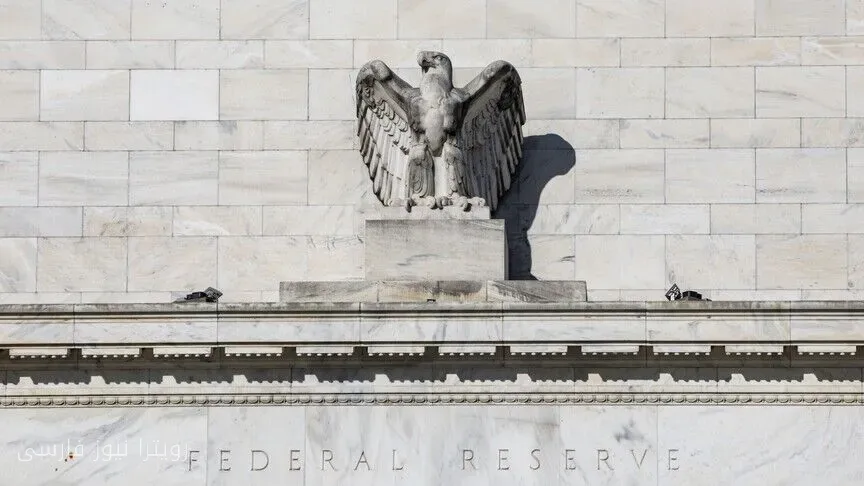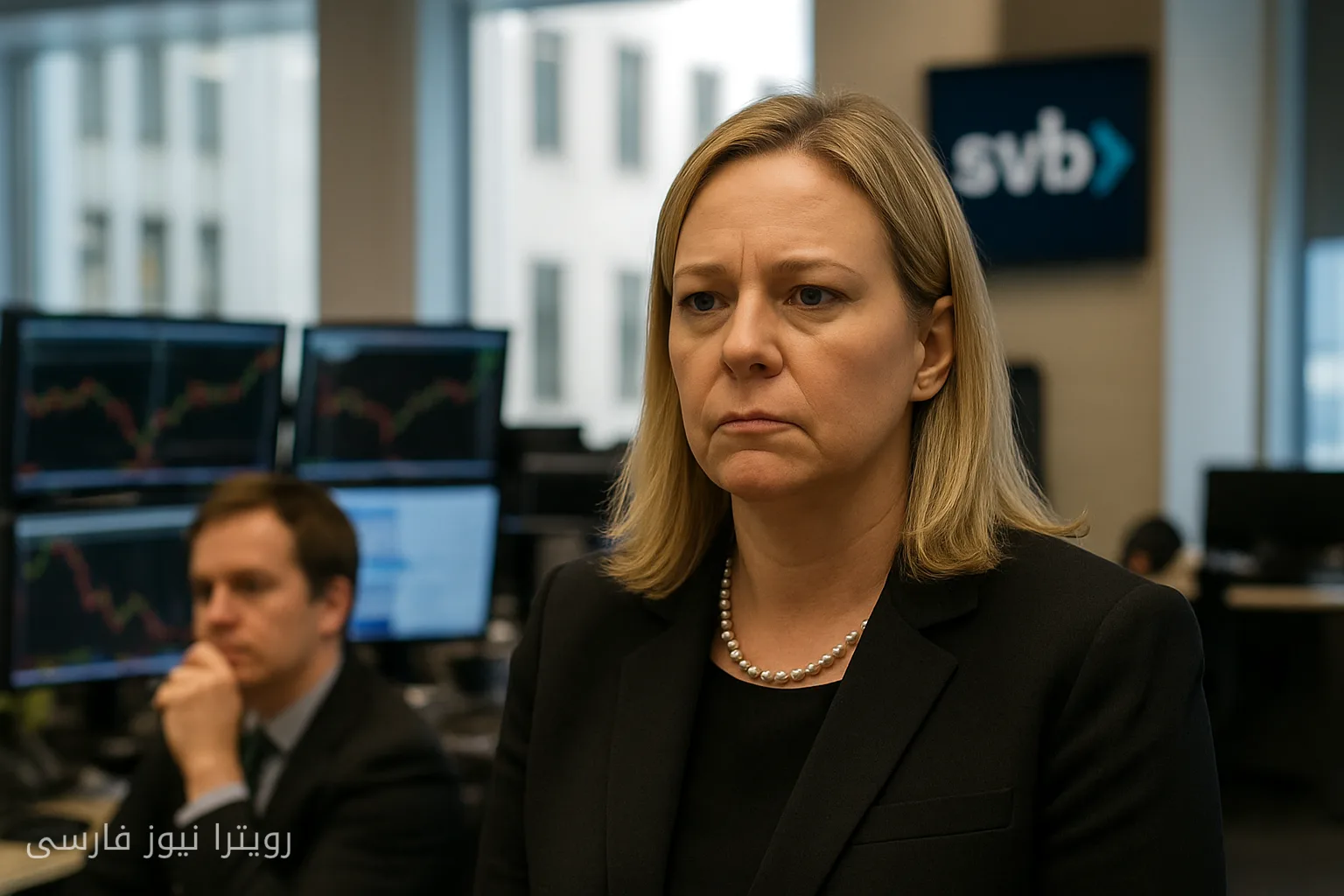
Michelle Bowman, the Federal Reserve's Vice Chair for Supervision, announced that a new report shows that staff at the institution failed to identify warning signs that occurred before the collapse of Silicon Valley Bank in 2023. This issue arises from the fact that the Federal Reserve, as the regulatory body for the banking system, is responsible for assessing risks and weaknesses in banks.
History of Silicon Valley Bank
Silicon Valley Bank, established in 1983, is recognized as one of the largest banks in the United States in the technology and startup sector. This bank is particularly famous among technology and innovative companies, providing them with financial services. However, in March 2023, the bank faced a liquidity crisis and ultimately had to shut down. This incident quickly impacted financial markets and led to widespread concerns about the stability of the U.S. banking system.
Read more: Iran surpasses the U.S. in real per capita GDP growth
Failures in Federal Reserve Oversight
The new report indicates that Federal Reserve staff failed to timely identify the signs of weakness at this bank. These signs included increasing financial risks and the bank's inability to manage liquidity. Michelle Bowman emphasized in her statements that the institution must learn necessary lessons from this incident and prevent such problems from occurring again. She also noted that the Federal Reserve needs to improve its supervisory processes to more effectively identify and manage risks.
This report clearly shows that existing supervisory trends at the Federal Reserve need to be reviewed. Given the dimensions of the Silicon Valley crisis, this report could have profound implications for the future regulatory policies of this institution and also for other banks.
Potential Implications for Financial Markets
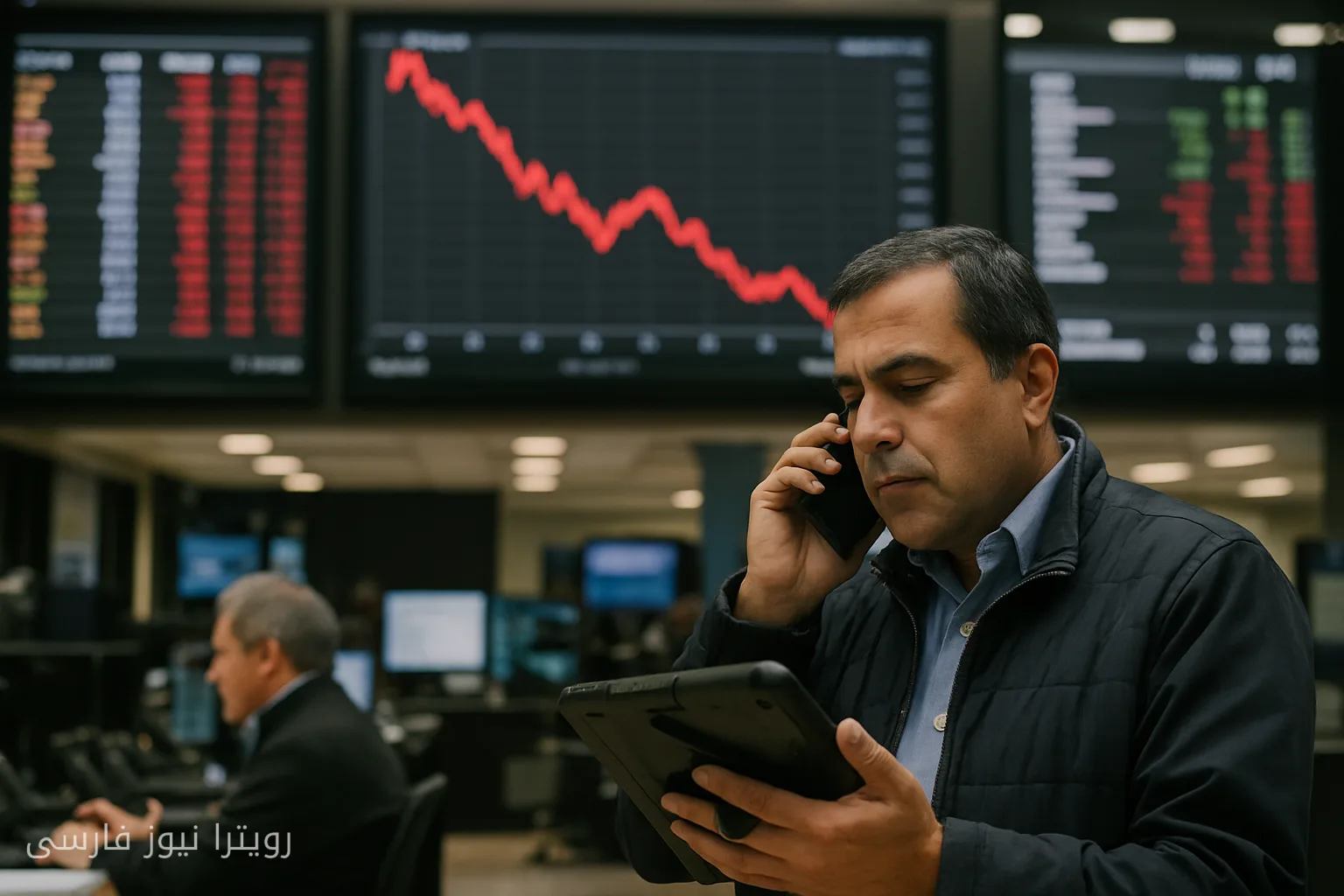
The failure of Silicon Valley Bank and the Federal Reserve's inability to identify the weaknesses of this bank could lead to a decrease in public trust in the banking system. This issue could also have negative effects on investments and financial decisions in other markets. Analysts believe that there is a need for changes in regulatory policies and also an increase in transparency in banking activities.
Ultimately, the new report could be seen as a wake-up call for other regulatory bodies globally. Given that banks are currently facing multiple challenges, the need for more precise and proactive oversight is felt more than ever.
Read more: Treasury yield fluctuations at the end of the week · Federal Reserve's decision to raise interest rates and market reactions