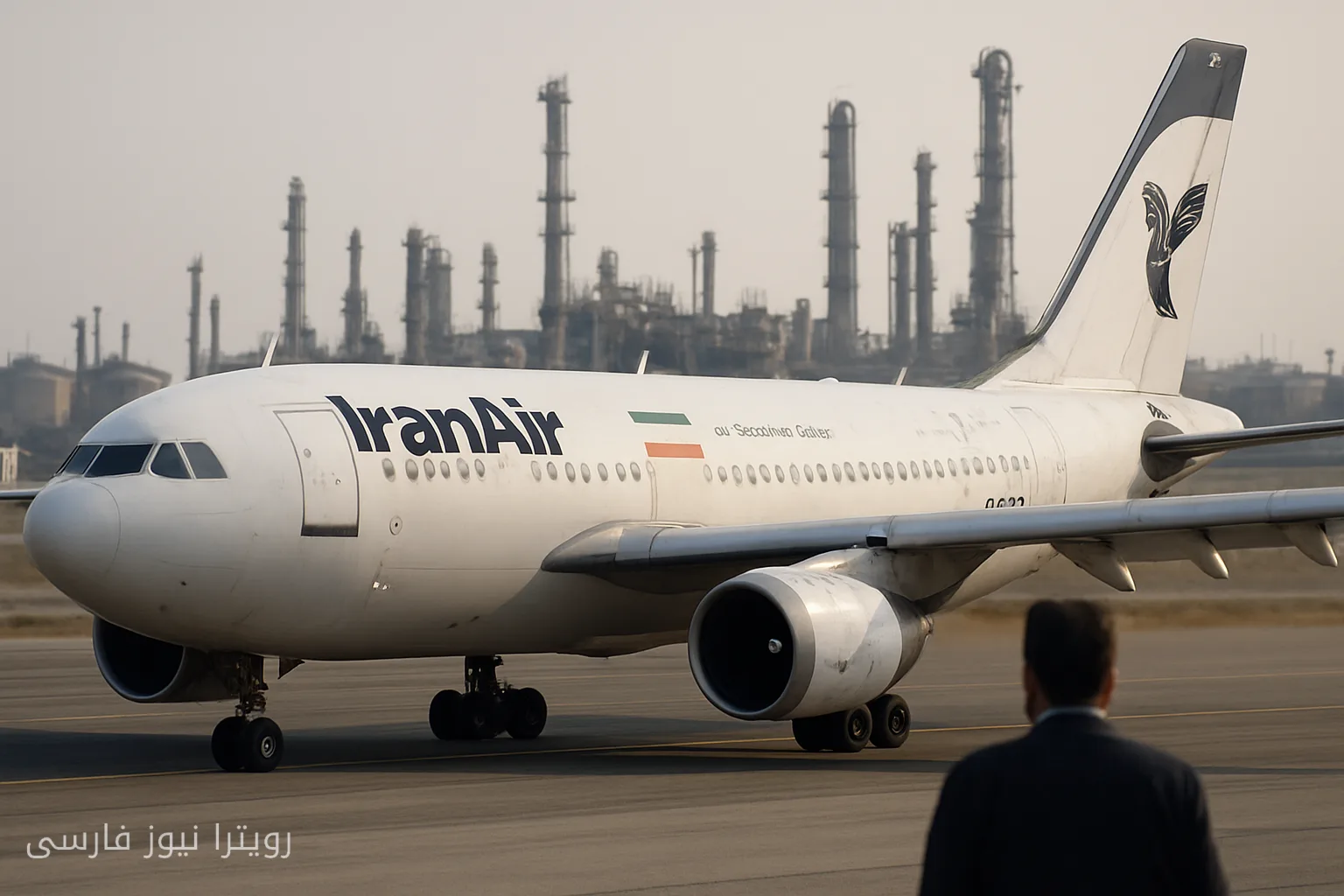
In a recent action, the U.S. Department of the Treasury has once again demonstrated its determination to increase pressure on Tehran by imposing new sanctions on Iran's aviation industry. These sanctions particularly focus on airlines and suppliers of parts and services related to this industry.
Economic Consequences of the Sanctions
The new sanctions mean further restrictions on the supply of spare parts and technical services for Iran's air fleet. This situation could lead to a decline in the quality of air services, increased costs, and even serious problems for travelers. As Iran's economy is under severe pressure from sanctions, this action could exacerbate economic crises.
U.S. policies towards Iran, especially in the area of sanctions, have always been accompanied by criticisms and concerns. Analysts believe that these sanctions are not only used as a tool to pressure the Iranian government but also as a political means to create discontent within Iranian society.
Reactions to the New Sanctions
Following the announcement of these sanctions, various reactions have emerged from Iranian officials and international analysts. Some experts believe that these sanctions could lead to the formation of public discontent and simultaneously exert more pressure on the Iranian government to change its policies. Conversely, others believe that these sanctions will only strengthen internal resistance against external pressures.
The collection of these developments indicates a complex political and economic game in which each side tries to exploit the arising situations to its advantage. Given the current conditions in Iran, the outlook of these sanctions and their effects on the country's economic and social future is still not fully clear.