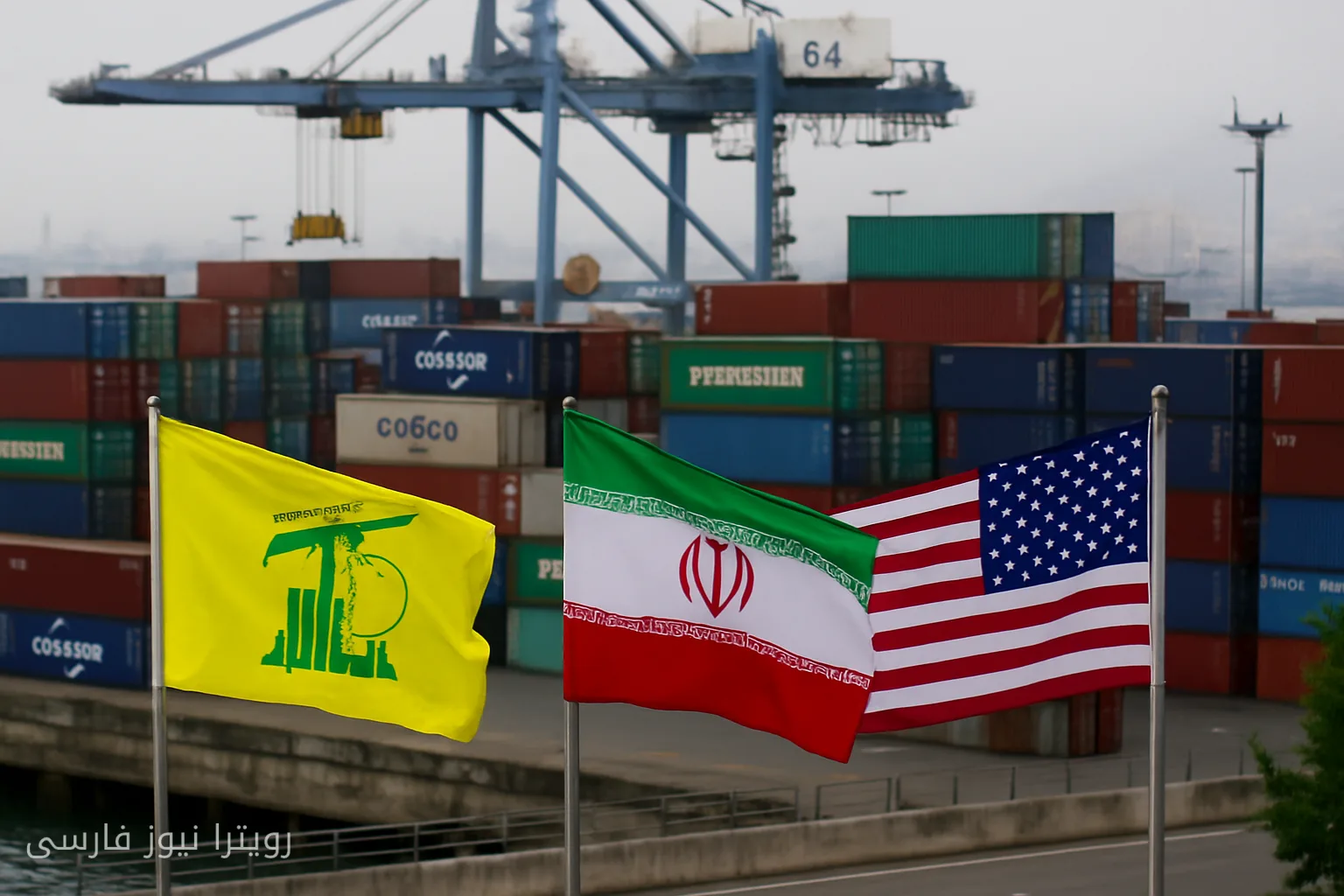
In a bold move aimed at increasing pressure on Iran, the U.S. government has announced fresh sanctions against Hezbollah in Lebanon and Tehran's proxy networks. These sanctions are viewed as part of a broader U.S. campaign to cut off the financial resources of the Islamic Republic of Iran.
U.S. Efforts to Reduce Iran's Influence
The new sanctions are designed primarily to weaken the financial capacity of Hezbollah and the proxy groups that assist in financing and arming this organization. Given Iran's economic situation and internal challenges, these sanctions could have significant effects on the activities of these groups.
The U.S. government believes that the sanctions can help reduce Iran's influence in the Middle East and also exert more pressure on Tehran to return to nuclear negotiations. On the other hand, this action could lead to increased tensions in the region.
International Consequences of the Sanctions
The new U.S. sanctions will not only impact Hezbollah and related groups but could also have broader implications for international relations. Possible reactions from Iran and its allies will affect the security situation in the Middle East, particularly in Lebanon and Syria.
While some analysts believe that these sanctions could lead to a reduction in Hezbollah's activities, others argue that the group may resort to new methods for financing itself. This situation highlights the challenges facing Washington in managing tensions and interactions with Iran.