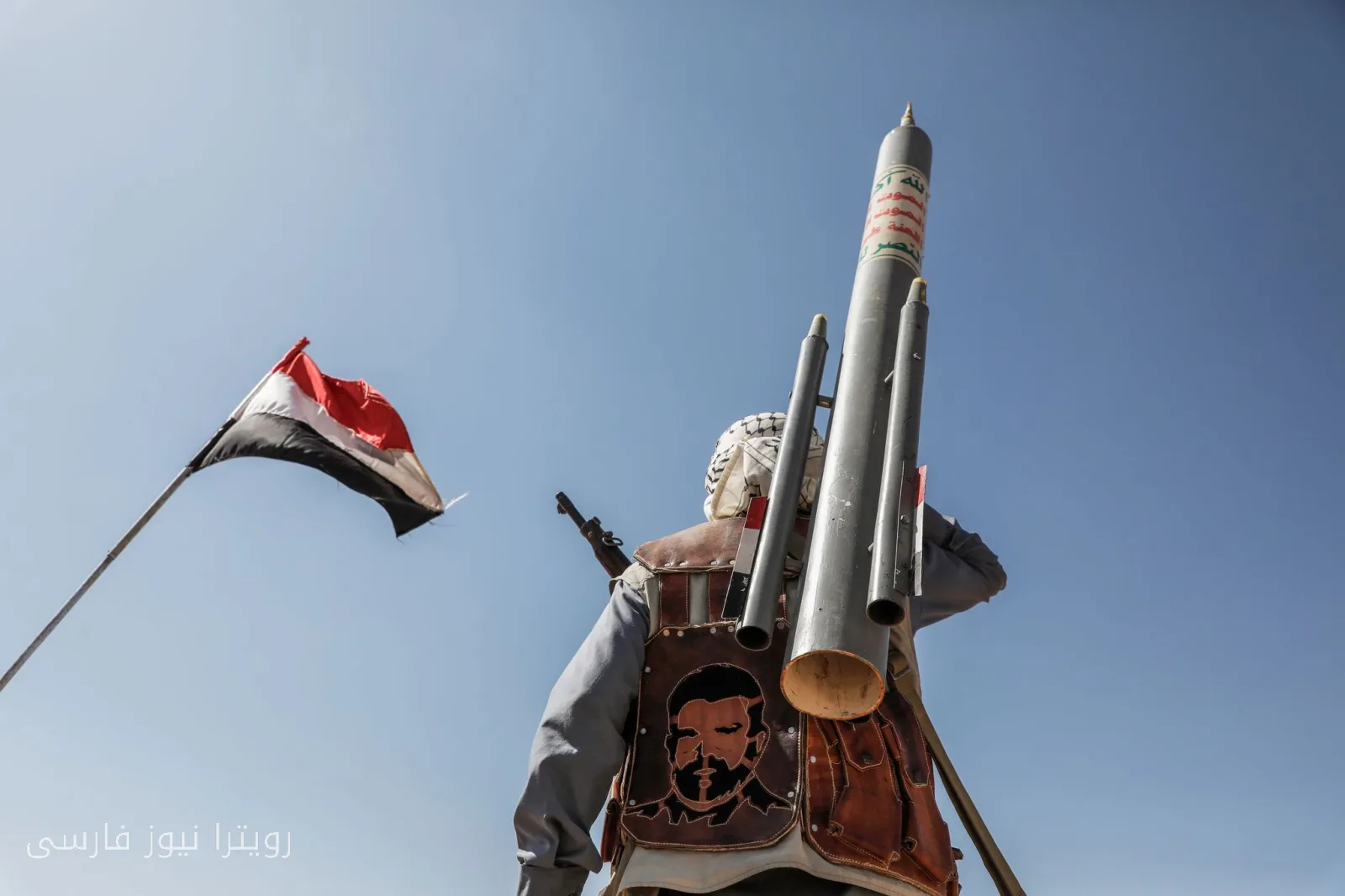
The U.S. government, in its latest move, has imposed new sanctions against companies and individuals that, according to this country, play an active role in supporting Hezbollah and other Iranian proxies in the Middle East. These sanctions, viewed as part of Washington's overall strategy to counter Iran's influence in the region, demonstrate America's serious commitment to reducing militia and terrorist activities linked to Tehran.
Details of the Sanctions
The new sanctions include restrictions on the assets and economic activities of these individuals and companies in the United States and other countries. Specifically, the main focus is on financial and commercial networks that directly or indirectly contribute to the financing and support of Iran's proxy groups. This action is somewhat a response to growing concerns about the expansion of Iran's influence in the Middle East and the dangers this influence poses to regional stability.
International Responses
Following the announcement of these sanctions, various reactions have emerged from other countries and international organizations. Some countries have supported this U.S. action, viewing it as a step towards maintaining regional security, while others have described it as provocative and contrary to diplomacy. This issue once again highlights the existing challenges in international and diplomatic cooperation in the Middle East.
The new U.S. sanctions are announced at a time when tensions in the region remain high, and Iranian proxy groups, particularly in Lebanon and Syria, are more active than ever. These sanctions could significantly impact the economic and political activities of these groups and, in turn, lead to changes in the power dynamics in the Middle East.