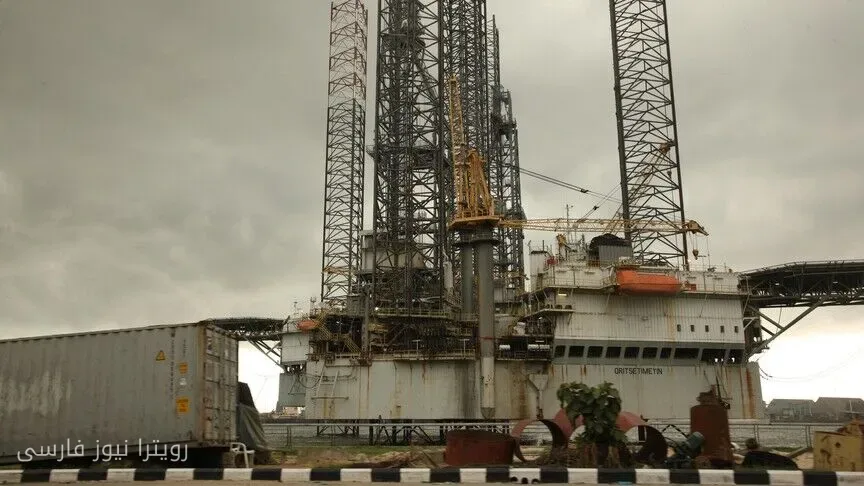
Oil prices are gradually approaching $١٠٠, and this trend is heavily influenced by the escalation of tensions and recent attacks in the Middle East. These developments have raised serious concerns about the supply and availability of oil in the global market.
Attacks and Their Impact on the Oil Market
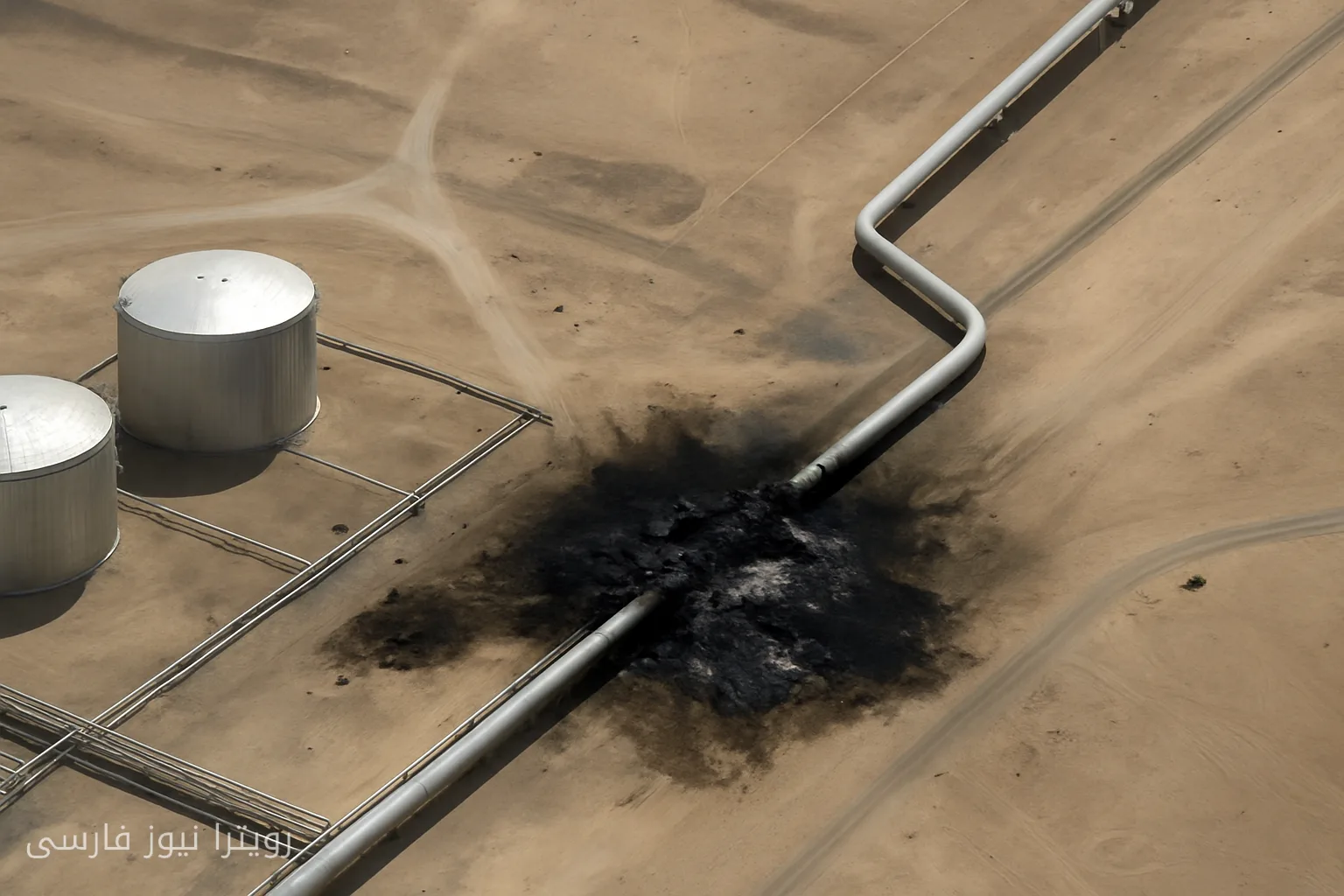
In recent weeks, military attacks in various parts of the Middle East, particularly in key oil production and transportation areas, have directly affected the price of this commodity. Analysts believe that if these tensions continue, we may witness rising prices and severe fluctuations in the oil market.
Given that the Middle East is one of the largest oil producers in the world, any disruption in this region can have widespread effects on global oil prices and, consequently, on energy-dependent economies. Many countries are concerned that this situation may lead to increased energy costs and pressure on consumers.
Future Outlook
Economic experts predict that if tensions do not decrease and more attacks occur, oil prices may quickly surpass the $١٠٠ mark. This issue could lead to rising fuel prices and other oil-dependent products in global markets, consequently putting more pressure on households and businesses.
In such circumstances, countries must seek solutions to prevent severe fluctuations in the oil market and mitigate its negative impacts on their economies. Ultimately, the future of the oil market is heavily dependent on political and military developments in the Middle East, and no one can make an accurate prediction about it.