Oil prices are currently around $100 per barrel, while some analysts predict that if tensions escalate, this price may rise to $120 or more. This situation has arisen following recent attacks by Iran-affiliated groups and President Donald Trump's diplomatic efforts to negotiate with leaders of the Gulf Cooperation Council countries.
Impact of Middle Eastern Tensions on Oil Prices
The war that began earlier this year between the United States and Iran has raised serious concerns in the oil market. Energy analysts had warned that oil prices could more than double if this war continues. However, six months after the start of this war, prices have not significantly increased, which is partly related to China's energy strategy.
China, as the world's second-largest oil consumer, has managed to somewhat prevent global price increases by accumulating oil reserves of 1.4 billion barrels. Due to reduced oil imports from Iran and increased use of alternative energy, the country has managed to somewhat navigate the global energy crisis.
New Challenges and Future Predictions
Despite this, the situation remains highly unstable. Recent attacks by Iran-affiliated groups on oil facilities in Saudi Arabia have led to a temporary halt of a vital pipeline. Meanwhile, analysts at Bank of America predict that oil prices will reach $83 per barrel in the second half of the year, but if violence continues, this price may rise to between $95 and $120.
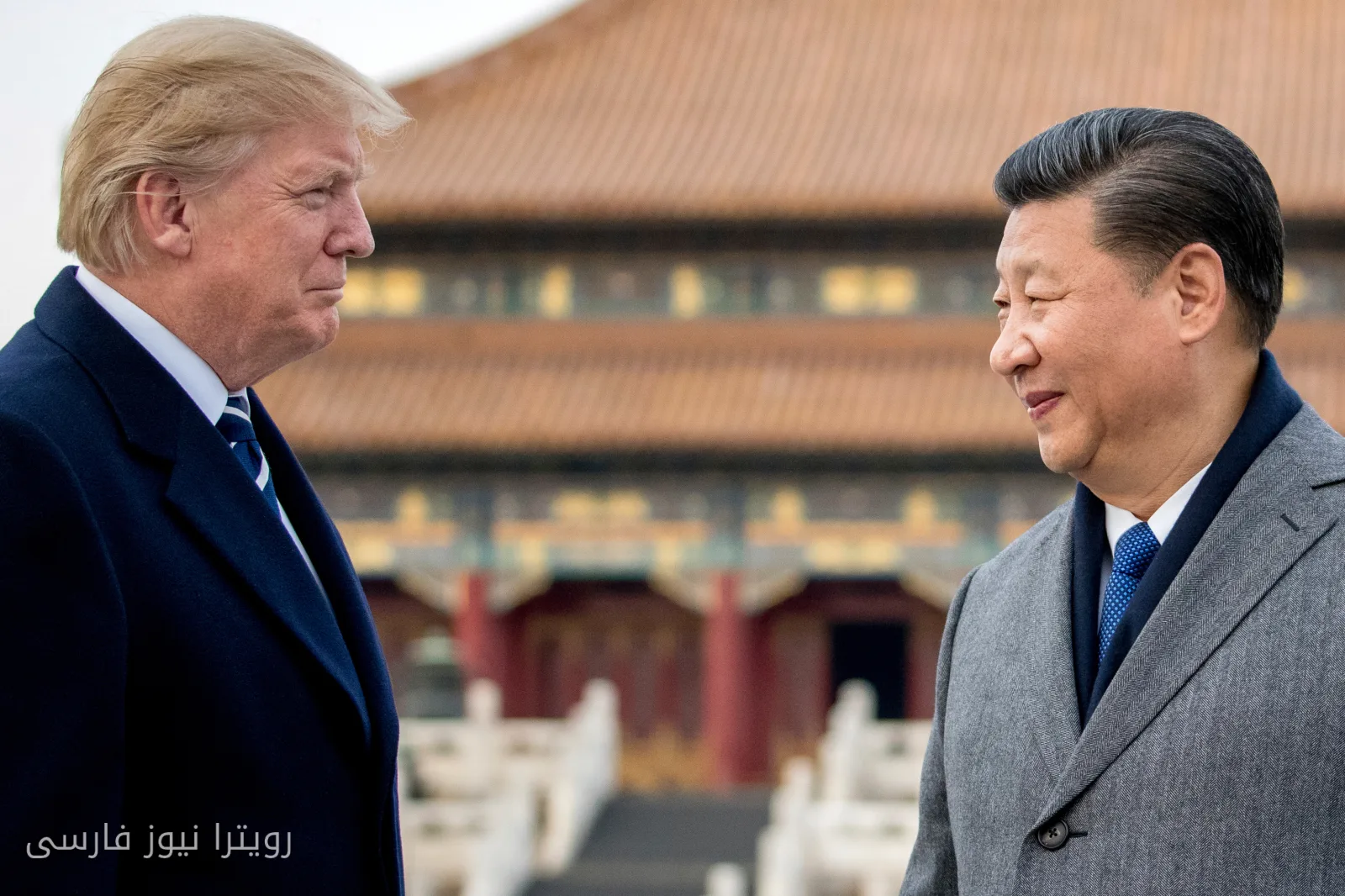
President Trump is set to meet with leaders of the Gulf Cooperation Council on the sidelines of the United Nations General Assembly, as pressure on him due to high gasoline prices is increasing. This meeting could be an opportunity to discuss the state of the oil market and efforts to reduce tensions, but it seems that no tangible conclusions will be reached.
Ultimately, China's management of its oil reserves during this unstable period is seen as an example of the country's successes in achieving energy self-sufficiency. Analysts also believe that China has acquired these reserves due to planning for a potential military action in Taiwan. Therefore, China's dependence on foreign oil resources remains a serious challenge.