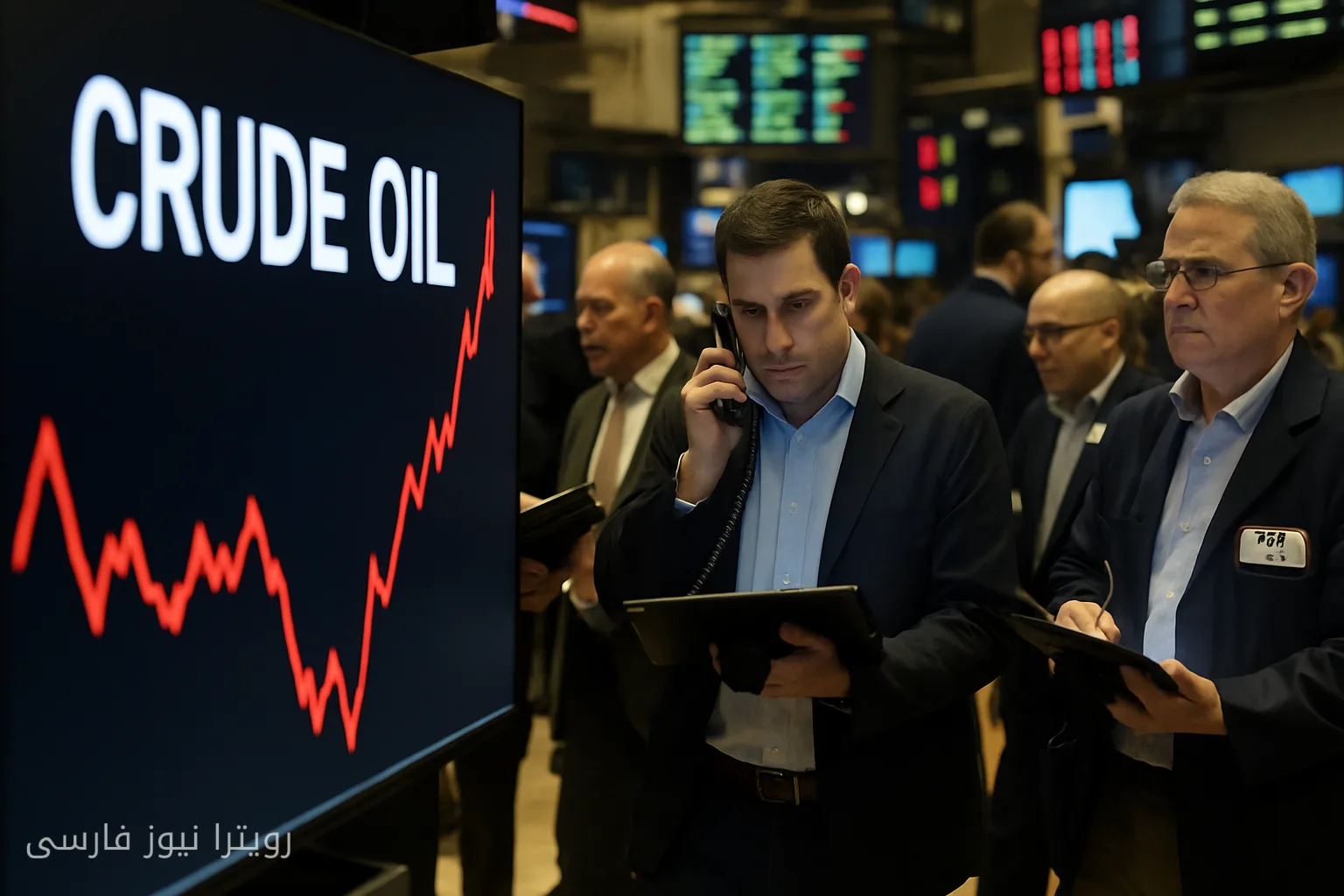
This week, the oil market witnessed a significant increase in transportation rates, setting new records. This price surge occurred following a series of attacks on oil tankers, particularly in the Persian Gulf region. These attacks, which analysts say represent the largest wave of assaults on ships since the onset of tensions between Iran and the U.S., have significantly heightened concerns about the security of oil transportation.
Factors Affecting Transportation Rates
With rising tensions in the region, shipping companies are facing serious challenges. This increase in rates is not only due to direct attacks on ships but also because of concerns about the possibility of further attacks and insecurity in international waters. In such conditions, insurers have also raised their rates, which has compounded the issue.
Analysts believe that this increase in rates could have profound effects on the global oil market. While oil prices in global markets may rise due to these developments, a decrease in demand could also lead to a new stability in this sector. In the meantime, countries and major oil companies must find solutions to manage the crisis and reduce transportation costs.
Uncertain Future of the Oil Market
Given the current conditions, it is difficult to predict how the oil market will behave in the future. With continued attacks and escalating tensions, we may witness further fluctuations in transportation rates and oil prices. This situation will affect not only oil producers but also consumers, potentially leading to an increase in fuel prices globally.