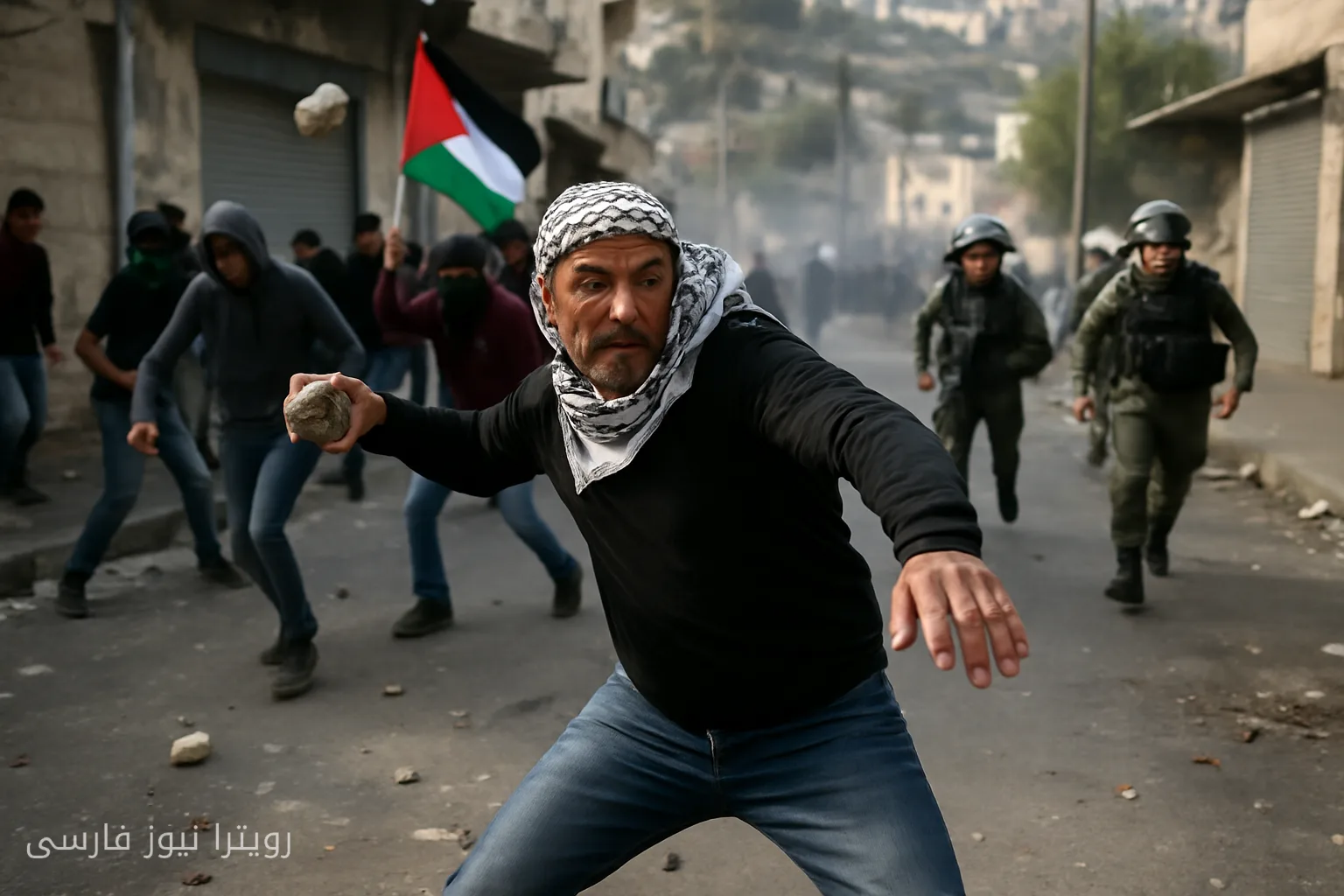
On January 23, 2018, Palestinians in the city of Hebron in the West Bank protested against Mike Pence, the Vice President of the United States, visiting Jerusalem. This demonstration, aimed at expressing dissatisfaction with U.S. policies regarding Israel and Palestine, quickly escalated into severe clashes with Israeli forces.
Violence in the Streets
Palestinian protesters threw stones at Israeli forces, who responded with tear gas and rubber bullets. These clashes reflect the deep anger of the Palestinian people towards U.S. policies and the support this country provides to Israel.
Mike Pence's visit to Jerusalem, as part of the U.S. government's efforts to strengthen relations with Israel and recognize Jerusalem as the capital of this country, has faced widespread negative reactions. Palestinians view this action as a violation of their rights and a weakening of peace efforts.
Political and Social Consequences
The recent protests and clashes once again highlight the instability in the region and the significant challenges for any peace agreement. Global reactions to this visit and the clashes have also been notable, with many countries calling for an end to the violence and a return to peace negotiations.
As tensions in the region continue, Palestinians are seizing every opportunity to express their dissatisfaction with U.S. and Israeli policies. These clashes are seen not only as a sign of the anger of the Palestinian people but also as an indication of uncertainty regarding the future of peace in the Middle East.