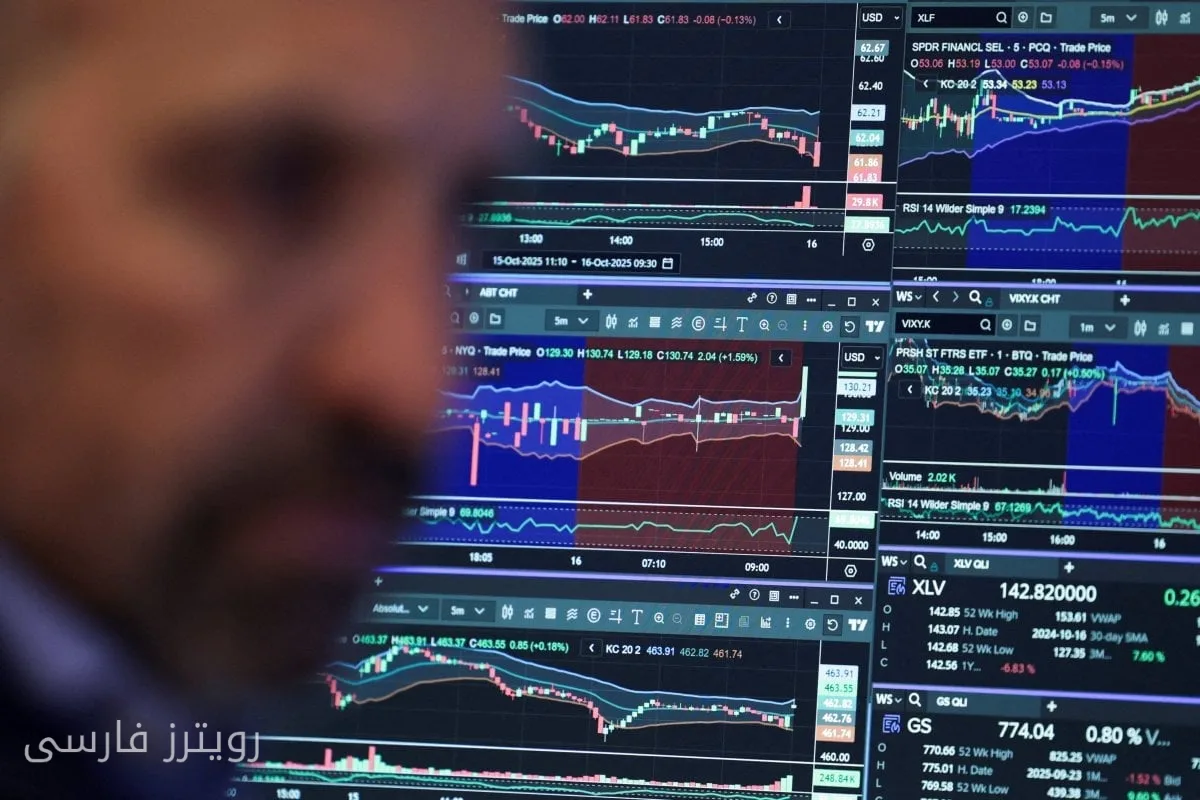
Following increased demand and concerns regarding energy supply, the price of natural gas in Europe has surpassed ۸۰ euros. This price increase, which has been clearly observable in recent days, has raised concerns among consumers and economic analysts. As the cold season approaches and the need for heating rises, this trend is particularly significant in the northern European countries.
Reasons for the Price Increase
Several factors are involved in this price increase. One of the main reasons is the reduction of gas inventories due to the hot summer and insufficient supply from producers. Additionally, political and economic tensions globally, including sanctions and international disputes, have exacerbated this crisis.
Analysts believe that the continuation of this trend could have serious implications for energy prices and consequently, the cost of living for people. In a situation where many countries are striving to reduce dependence on fossil fuels and transition to more sustainable energy sources, this price increase could pose a significant barrier to progress.
Social and Economic Consequences
With the rise in gas prices, not only do heating and energy costs for families increase, but industries will also face serious challenges. This increase in costs could lead to reduced production and increased unemployment. Furthermore, this situation may lead to public dissatisfaction and create more pressure on governments to provide immediate solutions.
Ultimately, the energy crisis in Europe has become a pressing issue that requires immediate and comprehensive solutions. Dependence on unpredictable energy sources could jeopardize the economic and social stability of this continent in the future. In these circumstances, only time will tell whether Europe will be able to manage this crisis or not.