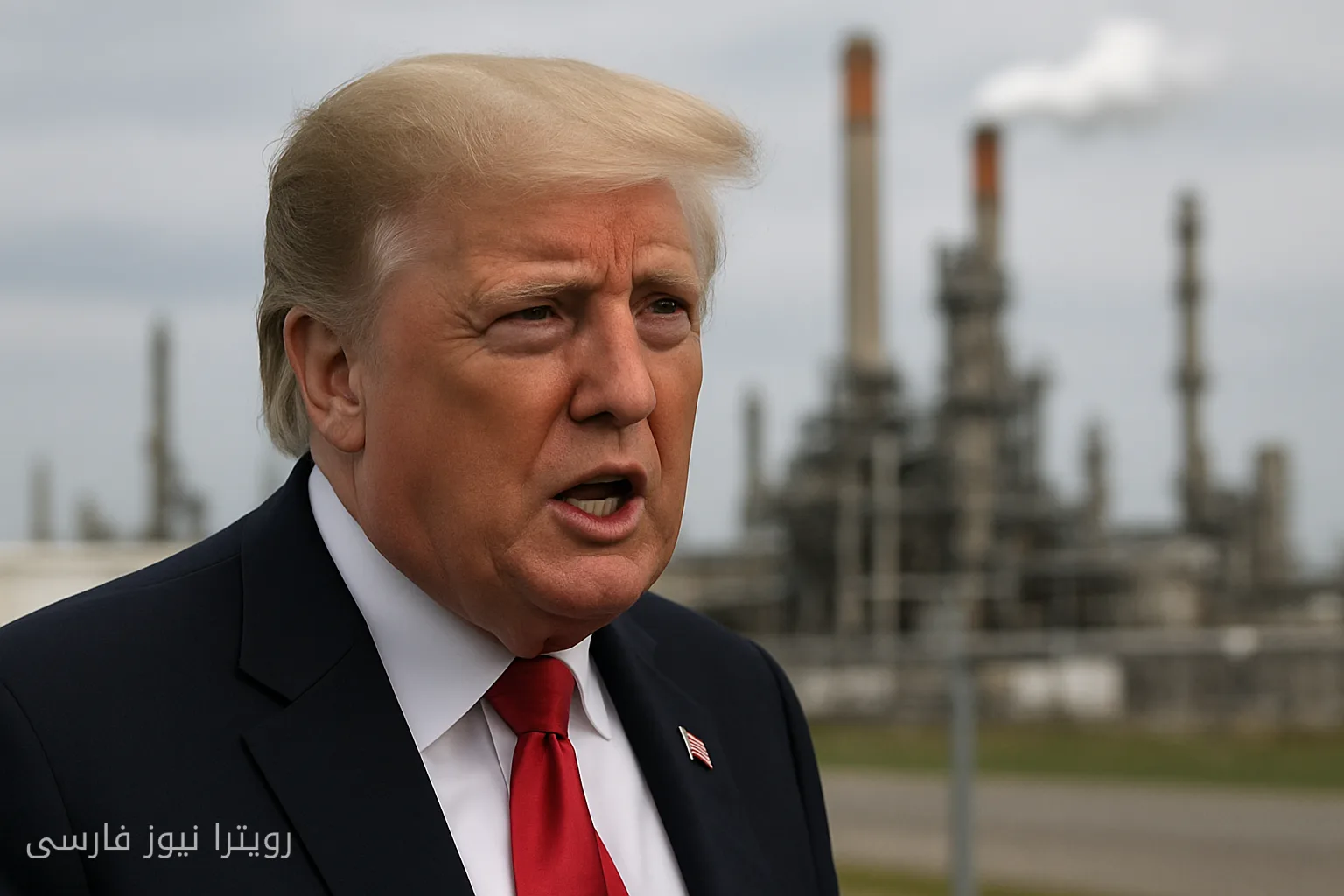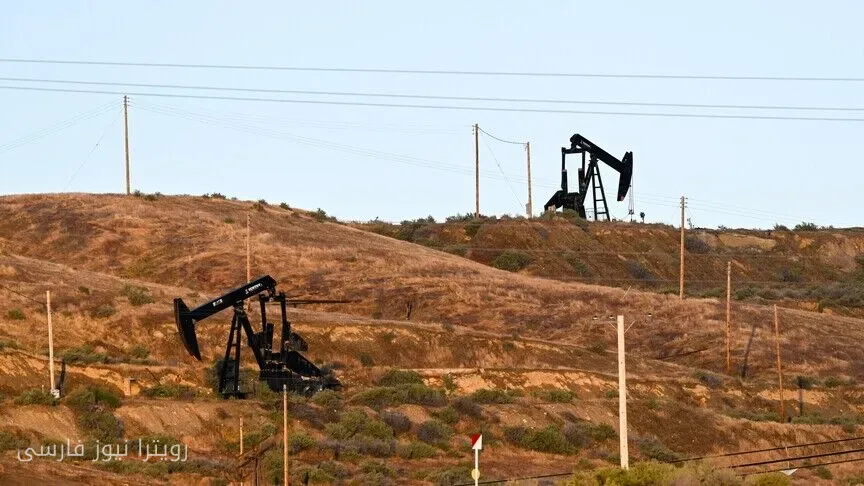
The recent increase in oil prices has had a significant impact on the economic situation in the United States. According to new statistics, oil prices have reached their highest level in several months, leading to increased inflationary pressures in the market. Rising energy costs are considered one of the main factors contributing to inflation in the economy, and economists are increasingly concerned about the implications for consumers and businesses.
Impact of Rising Oil Prices on Inflation
According to economic reports, oil prices have been consistently rising in recent weeks, fueling concerns about rising inflation rates. Brent crude oil is currently priced at around $90 per barrel, marking the highest price in recent months. This price increase has significantly affected transportation and production costs and could lead to higher prices for goods and services.
Federal Reserve's Decision This Week
The Federal Reserve of the United States will hold a meeting this week to make decisions regarding interest rates. Given the rising prices and existing concerns about inflation, many analysts predict that the Federal Reserve may consider raising interest rates to control inflation. Any changes in monetary policy could have profound effects on financial and economic markets.
Economists believe that if the trend of rising oil prices continues, inflationary pressures may persist, which could influence the Federal Reserve's economic decisions. Especially as consumers are currently facing rising living costs, any misstep by the Federal Reserve could negatively impact public confidence and markets.
Read more: Changing the Concept of Success: Work-Life Balance for Professionals