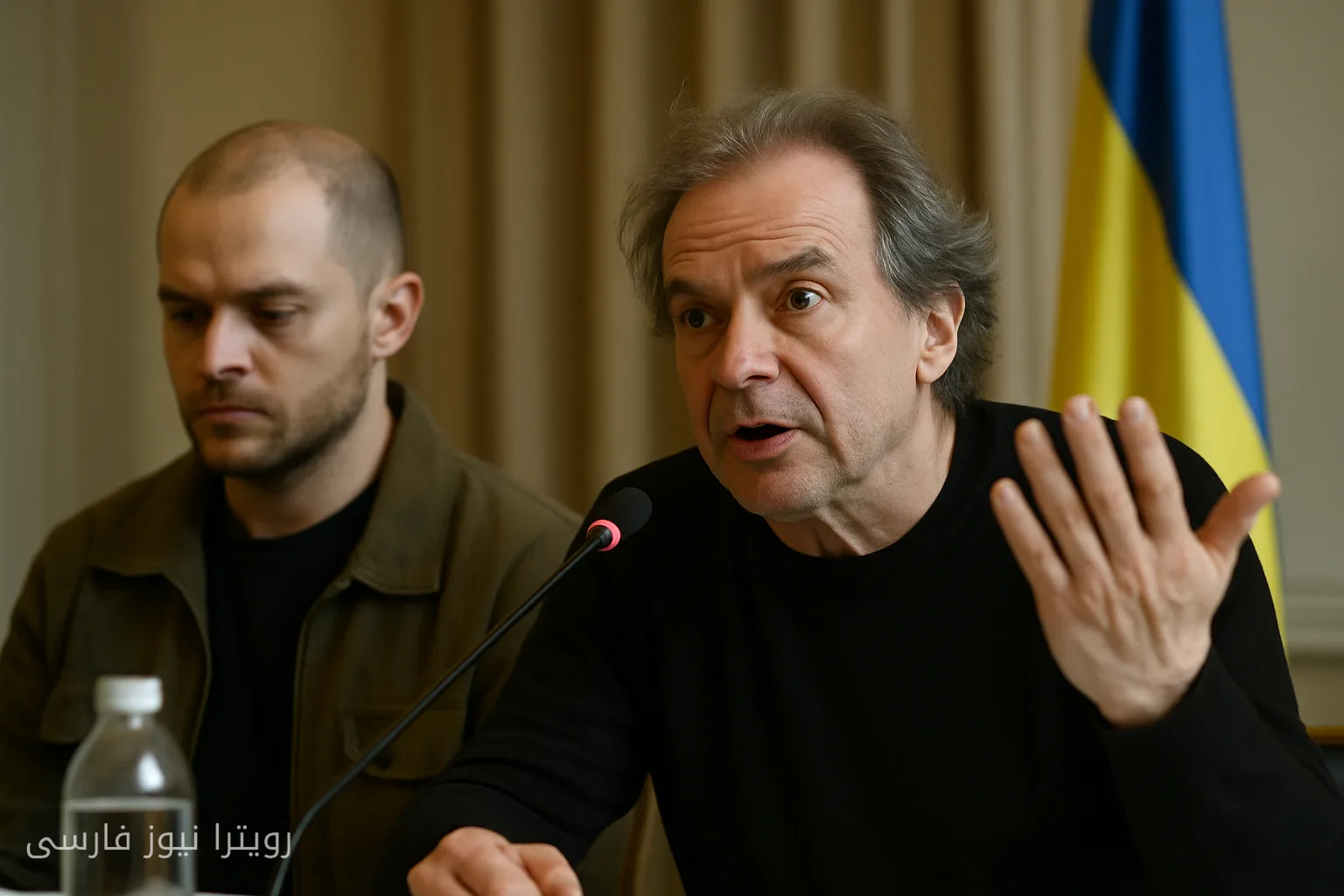
The Ukraine war continues to be at the center of global attention, and this time, the world of cinema is also affected by this crisis. Ilya Khrzhanovsky, the Russian director of the controversial film DAU, responded to criticisms regarding his lead actor, Theodor Kuritsis, who has clearly refrained from commenting on the war, saying, "Everyone pays a price for their choices."
Criticism of Artists' Silence
The film DAU, which was showcased at the Venice Film Festival, tells the story of Lev Landau, the famous Nobel Prize-winning physicist, and with Kuritsis's performance, it has become one of the controversial works of recent times. Kuritsis, a Greek-Russian concertmaster, has faced intense criticism for his unwillingness to condemn the war and the actions of the Putin government.
While Kuritsis, as a well-known artist globally, has sparked numerous reactions with his silence, Khrzhanovsky emphasized in his defense of him that everyone must be accountable for their choices. This statement somewhat responds to the criticisms of Kuritsis and shows that the director fully supports his artist's stance.
Impact of Cinema on Politics
This event, alongside other cultural developments, reflects the profound impacts of cinema on politics and social issues. While some artists take clear stances, others prefer to remain on the sidelines. This contradiction in the art world raises questions about the social responsibility of artists and whether silence in the face of injustices is considered complicity.
DAU, as an artistic work, not only has an engaging story but also faces ethical and social challenges. Should artists raise their voices, or does everyone have the right to be free in their choices? These questions will remain in the world of cinema and beyond, in the minds of audiences.