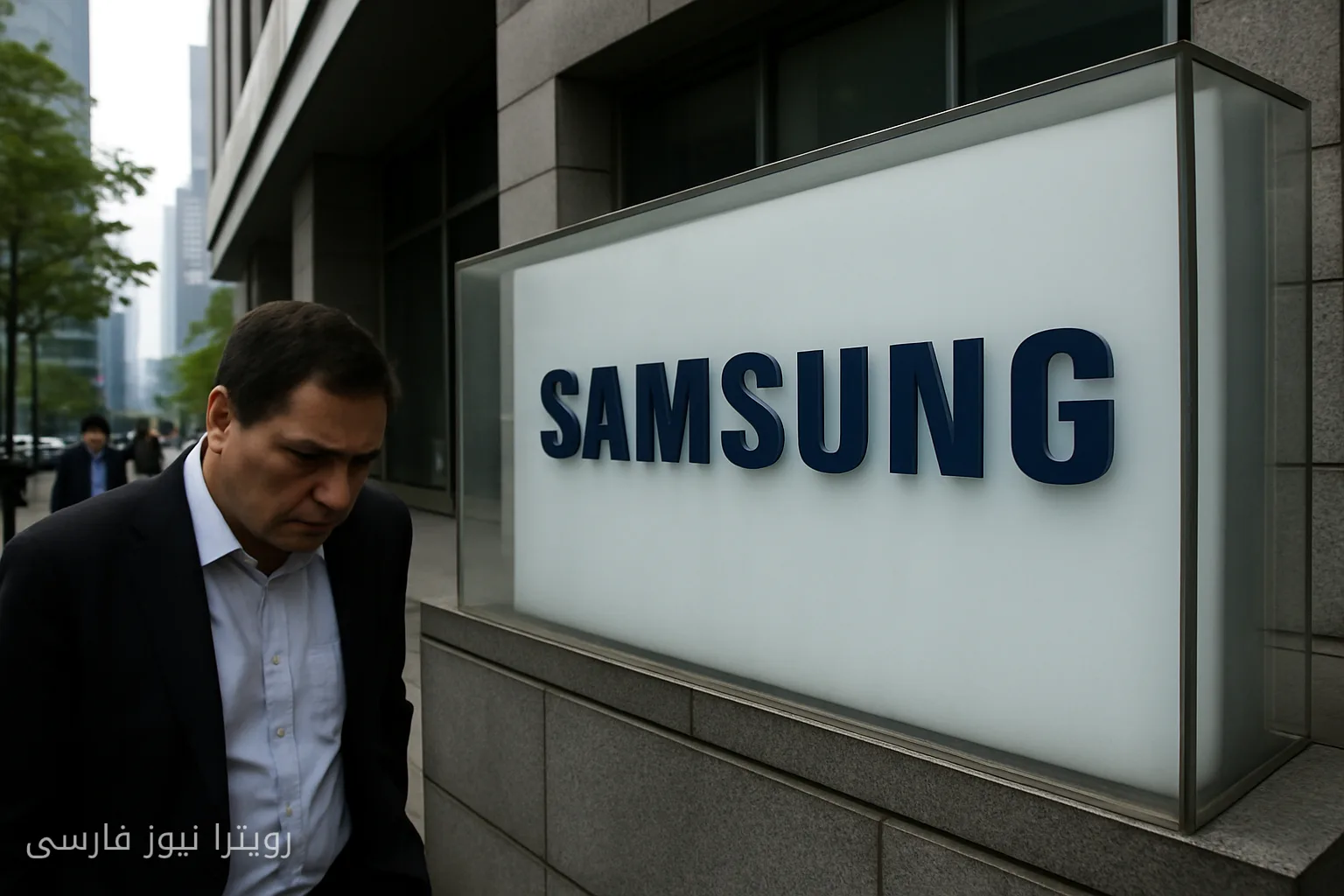
Samsung Electronics (SSNLF) fell 3.85% to 249,500 won in Seoul on Monday. This drop is attributed to two main factors: a general decline in AI-related stocks and a potential large cost for powering next-generation chip factories in South Korea.
Energy Infrastructure Cost Proposal
Samsung responded to a proposal from Korea Electric Power, which requested an advance payment of about 25 trillion won (equivalent to $18.7 billion) from Samsung and its competitor, SK Hynix, to supply the electricity needed for large chip manufacturing clusters. This proposal was firmly rejected by both companies.
Despite this, Samsung continues with its technology plans and is preparing to introduce ASML's High-NA lithography into memory chip production starting in 2028. This move demonstrates Samsung's serious commitment to competing in advanced semiconductor manufacturing.
Impact on Investment and Market
Analyses show that Samsung has a strong GF Score of 92 out of 100, indicating a favorable position in terms of profitability, growth, financial strength, and performance momentum, while GF Value is recognized as a main weakness. This financial disparity is significant for the company. In the AI chip race, reliable power supply has become a key component of the competitive equation.
The $18.7 billion energy infrastructure proposal is large enough to exert significant pressure on capital allocation, even if shared among several producers. Rejecting the advance payment request allows Samsung to maintain its financial flexibility for now, but the need for energy supply remains. For investors, Monday's decline points to an increasing reality: to win in the AI semiconductor boom, energy supply and prudent costs are as important as the chips themselves.