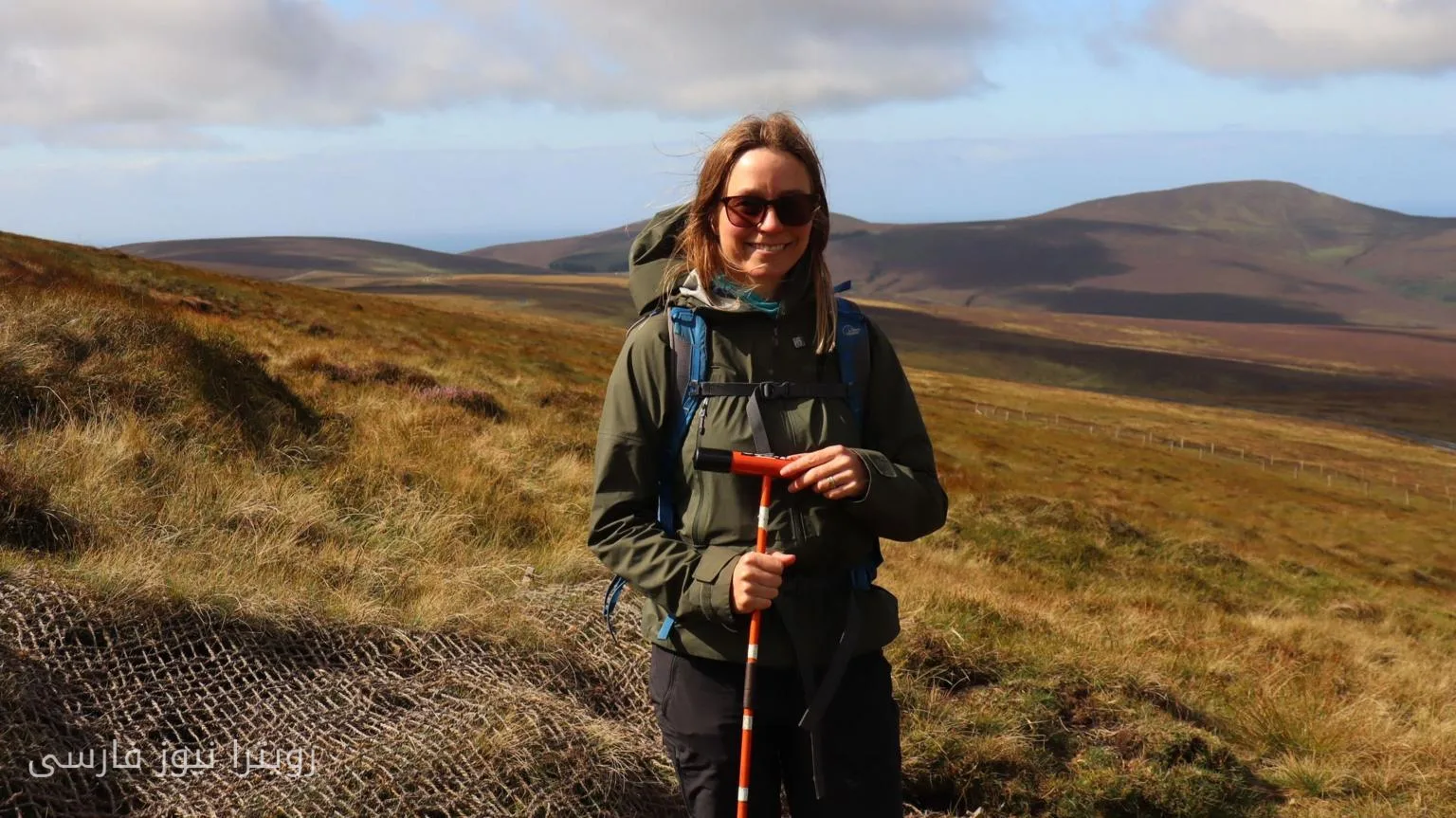
On the Isle of Man, Sara Hickey and her team are continuously and resolutely working to save the ancient and valuable bogs of the region. By preserving nearly 20,000 acres of uplands, they are, in a way, rewriting the story of the island's ecosystems.
Efforts to Restore the Ecosystem
Sara Hickey and her colleagues' work is essentially a major mission to restore natural balance to the boggy lands. These lands, which were once a source of life for many animal and plant species, are at risk due to climate change and human activities. Hickey and her team are striving to bring these areas back to life using modern techniques and environmental knowledge.
Challenges and Achievements
Although the work of saving the bogs is very challenging due to the unique geographical and climatic conditions of the Isle of Man, Sara Hickey has been able to make significant progress in this field by employing scientific methods and consulting with specialists. This team not only focuses on improving soil and water quality but also places importance on the revival of native species.
Sara Hickey has become one of the well-known figures in the field of environmental conservation due to her activities. She and her team have clearly demonstrated how one can use science and love for nature to save valuable lands. These efforts not only help preserve the natural history of the Isle of Man but can also serve as a suitable model for other at-risk areas.