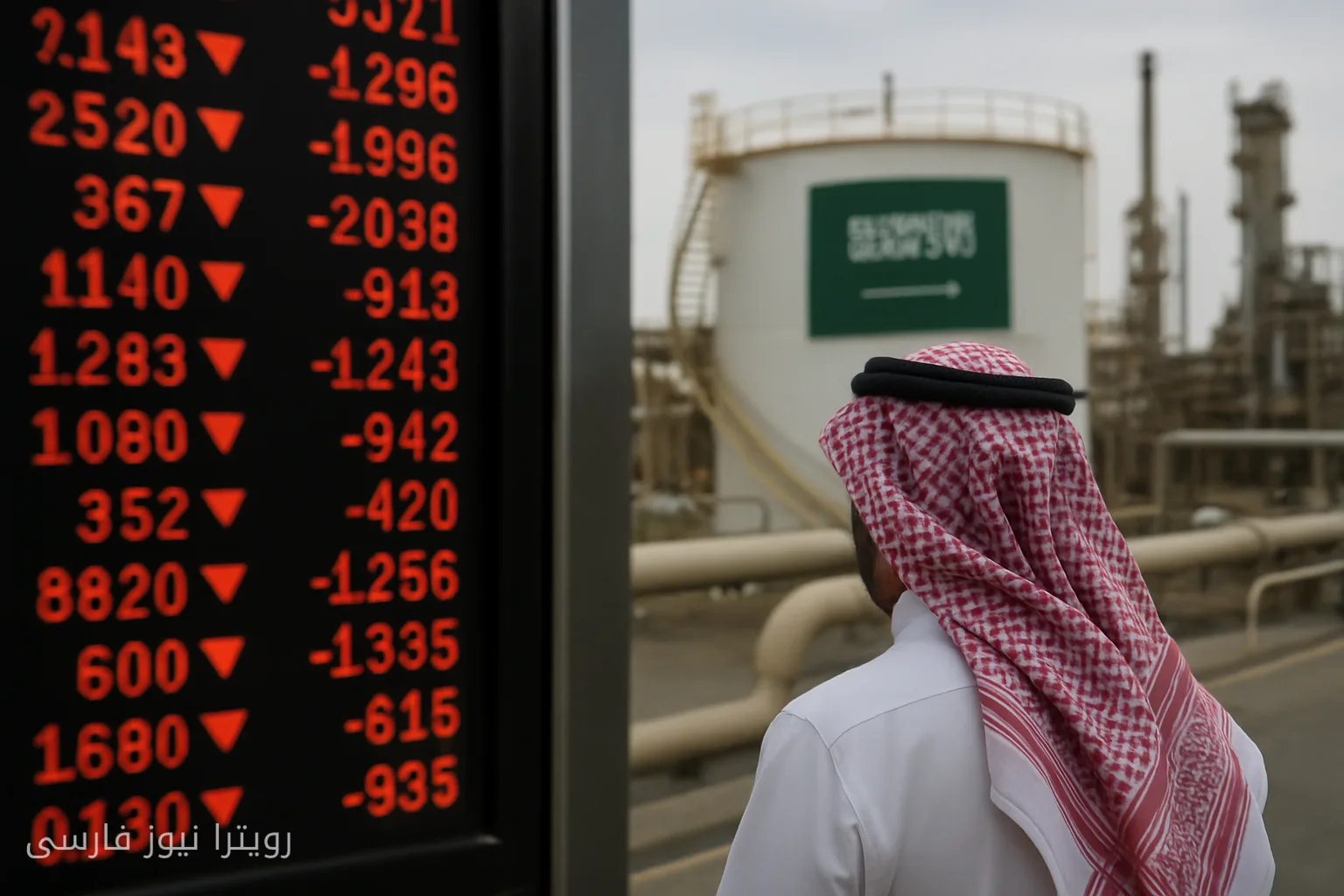
Saudi Arabia, the largest oil exporter in the world, may soon face serious challenges in its oil exports. The shutdown of the country's East-West pipeline, recognized as one of the most important oil transport routes, could have significant effects on the global oil market.
Shutdown of the East-West Pipeline
The East-West pipeline of Saudi Arabia, stretching 1,200 kilometers, transports crude oil from oil fields in the east of the country to the port of Jeddah in the west. This pipeline is of high importance as it allows Saudi Arabia to send oil to global markets. A shutdown of this pipeline, which may occur for technical or security reasons, could significantly impact the volume of oil exports from the country.
Economic Consequences and Impact on the Market
Given the potential shutdown of the pipeline, energy prices in the global market are expected to rise. Analysts believe that this situation could lead to an increase in demand for oil from other exporting countries, thereby putting pressure on prices in global markets. While Saudi Arabia seeks to maintain its position in the global oil market, these challenges may lead to changes in the country's export strategies.
Moreover, considering the widespread impacts on the oil market, the shutdown of the East-West pipeline could lead to increased price volatility in global markets. This is particularly significant in the current context where the oil market is heavily influenced by political and economic factors.
As a result, Saudi Arabia must quickly take measures to manage this crisis to prevent negative impacts on its economy and the global market. Analysts believe that this situation could provide an opportunity for other countries to increase their share in the global oil market.