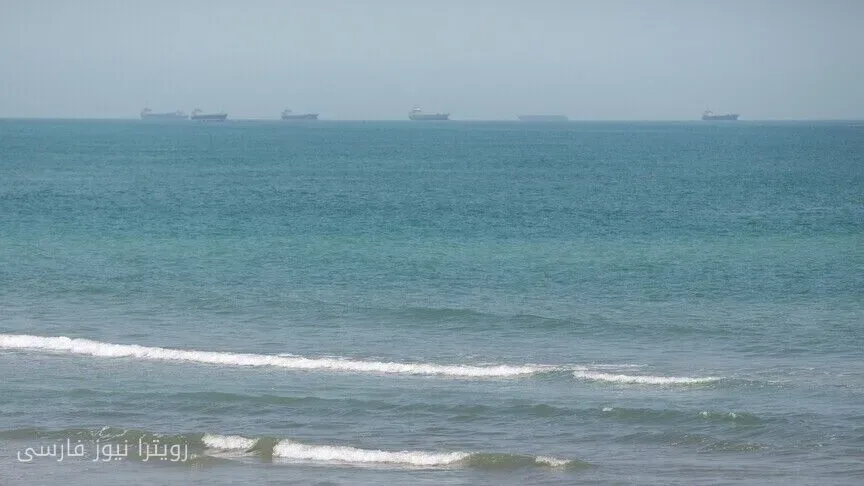
In a notable change, maritime traffic in the strategic Bab el-Mandeb Strait has sharply decreased to about 26 ships a day. This significant reduction has raised new concerns for the global economy and maritime security. The Bab el-Mandeb Strait, which is considered one of the most important maritime routes in the world, is always in the spotlight due to its unique geographical location.
Second Crisis After the Gaza War
The drop in traffic in this strait is being described as the second major maritime crisis since the outbreak of the Gaza war. Previously, this strait had experienced fluctuations in maritime traffic due to political and military tensions in the region. However, now, with the onset of the Gaza war, the situation has worsened significantly, and the number of passing ships has decreased by half.
Experts believe that this reduction could have serious repercussions for global trade and oil prices. The Bab el-Mandeb Strait, which is on the route of oil tankers and valuable goods, means that any disruption in its traffic could impact global supply chains. For countries dependent on oil and other goods, this situation could mean increased costs and reduced access to essential resources.
Response to the Crisis
In response to this crisis, local authorities and international organizations are seeking solutions to reduce tensions and improve maritime security. But can these efforts lead to a renewed increase in traffic in this strait? Or will we have to face a permanent crisis in this region?
Ultimately, given the current conditions, the future of the Bab el-Mandeb Strait and its maritime traffic will be heavily influenced by political and military developments in the region. This situation not only affects the lives of local people but will also have an impact on the entire global economy.