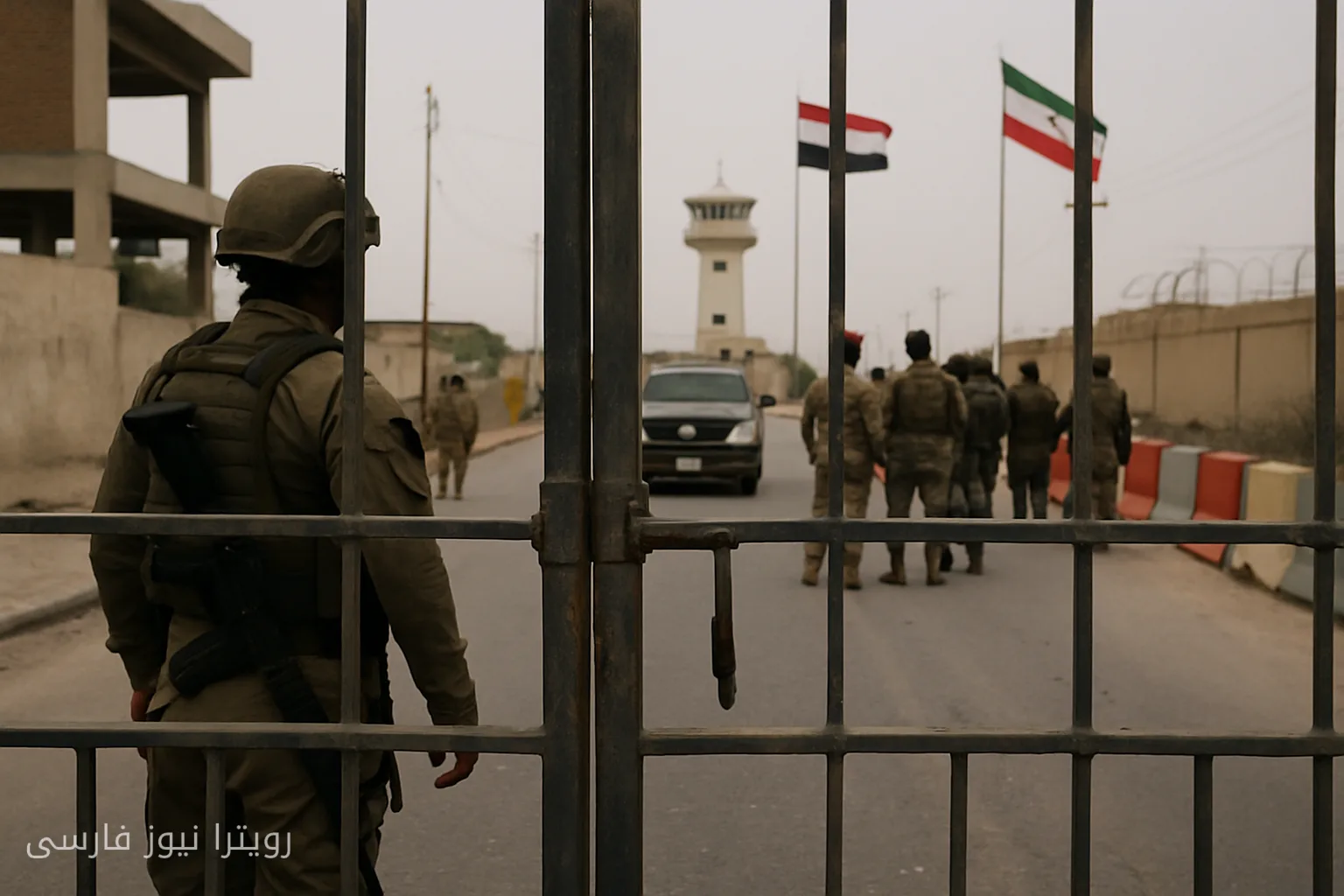
In recent days, significant developments have occurred in the Middle East. The closure of the Shalamcheh border between Iraq and Iran is interpreted as a sign of escalating tensions in the region. This action has been taken following increasing tensions between Iran and neighboring countries, as well as other regional conflicts.
Suspension of Israel-Lebanon Talks
Meanwhile, negotiations between Israel and Lebanon, aimed at resolving border issues and other disputes, have been postponed. This delay in negotiations reflects the lack of agreement and the tense conditions in the region, which could have serious consequences for security and stability in the Middle East.
In a diplomatic move, the foreign ministers of the Gulf Cooperation Council countries are set to meet with their Iranian counterpart on September 14. This meeting aims to garner regional support for a temporary agreement between Oman and Iran. These movements indicate the efforts of regional countries to reduce tensions and achieve new agreements, but at the same time, many questions have arisen about the future of these negotiations and their impact on the current situation.
Future Outlook
Given the current situation and rising tensions, the future of the Middle East will be significantly influenced by these developments. The closure of the Shalamcheh border and the suspension of Israel-Lebanon talks could spark new crises and have profound effects on regional security. Particularly as tensions between Iran and neighboring countries are sharply increasing, many analysts are concerned about the consequences of this situation.