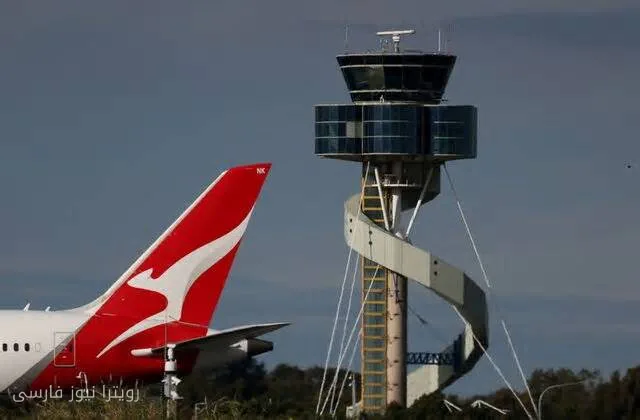
Sydney Airport has recently come under scrutiny, as a near-disaster incident highlights the serious dangers posed by air traffic controller fatigue. These controllers, under the corporate agreement of the Australian aviation authority, are permitted to work up to 10 consecutive shifts, while their total working hours in a consecutive period are limited to 80 hours.
Controller Fatigue and Safety Risks
With increasing working hours and consecutive shifts, fatigue among air traffic controllers has become a concerning issue. This situation not only affects their performance but may also lead to unfortunate incidents in the skies. In these circumstances, serious questions arise about flight safety and shift management.
The Australian aviation authority must urgently address this problem. Can we really trust fatigued and pressured controllers to safeguard passengers' lives? This question arises as near-disaster incidents at Sydney Airport indicate that these concerns are not unfounded.
Recommendations and Solutions
Aviation safety experts suggest that the working hours of controllers should be seriously reviewed. Given the intense working conditions and psychological pressures, reducing working hours and increasing rest time could help mitigate the risks associated with fatigue. This action could not only enhance flight safety but also improve the quality of life for controllers.
Undoubtedly, attention to the health and well-being of air traffic controllers is a key pillar in ensuring flight safety. If this issue is overlooked, it may have irreparable consequences for the aviation industry and passengers.